The Advantages of Integrated Design and Logistics Management Systems

In today's fast-moving business environment, the gap between creative vision and physical delivery has never been more consequential. Whether you are a furniture retailer, an interior designer coordinating a large-scale residential project, or a brand launching a new product line, the journey from concept to customer involves dozens of moving parts. When design workflows and logistics operations exist in separate silos, costly miscommunications, delays, and damaged goods become the norm rather than the exception. That is why more businesses and professionals are turning to integrated design and logistics management systems - solutions that unify the creative and operational sides of a project under one cohesive framework. This fall, as consumer demand surges and project timelines tighten, understanding what these integrated systems offer can be the difference between a seamless delivery experience and an expensive operational headache.
Integrated design and logistics management is not simply a buzzword. It represents a fundamental shift in how products move from specification and procurement through storage, handling, and final delivery. When these two disciplines work in tandem, businesses gain real-time visibility, tighter quality control, and a dramatically improved customer experience. For anyone who has ever watched a beautifully designed piece arrive damaged, late, or to the wrong address because the logistics side had no context for what was being handled, the value of integration becomes immediately clear.
How Integration Eliminates the Costly Disconnect Between Design and Delivery
The traditional model treats design and logistics as sequential rather than parallel functions. A designer selects pieces, places orders, and then hands off fulfillment to a logistics team that may have little understanding of the items' fragility, dimensions, placement requirements, or the client's expectations. This handoff is where problems multiply. Fragile custom furniture gets loaded onto a truck without proper padding. A carefully curated installation arrives out of sequence, forcing workers to unpack and repack on-site. Items get held in warehouses without anyone tracking their condition or location in relation to the broader project timeline.
Integrated systems eliminate this disconnect by ensuring that design intent informs every stage of the logistics process. When the people managing storage, transportation, and delivery have access to the same project documentation, product specifications, and scheduling information as the design team, the entire supply chain becomes more responsive and precise. Decisions made at the design stage - such as choosing oversized or particularly delicate pieces - automatically trigger the appropriate logistics protocols, from specialized crating to white-glove delivery services.
This kind of operational coherence reduces errors at every touchpoint. Teams are not chasing down information from separate databases or email chains. Everyone involved in a project is working from the same source of truth, which means fewer surprises, fewer returns, and fewer apologies to clients who were expecting perfection.
The Real Benefits of Centralized Visibility and Project Coordination
One of the most tangible advantages of an integrated design and logistics management system is centralized visibility. When all project data lives in one place, stakeholders at every level can see exactly where things stand at any moment. Designers can confirm that ordered pieces have arrived at a warehouse and are in good condition before scheduling an installation date. Project managers can track multiple deliveries across multiple clients without juggling spreadsheets and phone calls. Clients themselves can receive accurate, timely updates on the status of their orders rather than navigating a confusing chain of vendors.
This visibility also enables much smarter scheduling. In the design and furnishings world, the sequence of delivery matters enormously. If a large sectional sofa arrives before flooring is installed, it either sits in a garage or risks being damaged. Integrated systems allow project coordinators to sequence deliveries in a way that respects both the physical realities of a space and the timeline of other tradespeople. The result is fewer on-site conflicts, reduced storage time, and a more professional experience for the end client.
Centralized coordination also makes it far easier to manage exceptions. When something goes wrong - a shipment is delayed, an item arrives damaged, or a client pushes back an installation date - an integrated system allows teams to quickly assess the downstream impact and make adjustments across the entire project plan. Rather than discovering a problem on the day of delivery, teams can respond proactively, often before the client even becomes aware of the issue.
For businesses that manage high volumes of projects simultaneously, this level of coordination is not a luxury - it is a competitive necessity. The ability to handle complexity without proportionally increasing overhead is what separates scalable businesses from those that hit a ceiling as soon as project loads grow.
White-Glove Delivery and Specialized Handling as a Natural Extension of Integrated Systems
High-end furnishings, custom installations, and designer goods require a level of care that generic logistics providers are not always equipped to deliver. Integrated design and logistics management systems make it possible to build that specialized handling directly into the workflow rather than treating it as an afterthought. When the logistics team understands the nature and value of what is being transported from the beginning of a project, they can prepare accordingly - using appropriate packaging materials, trained delivery personnel, and the kind of careful placement and debris removal that high-end clients expect.
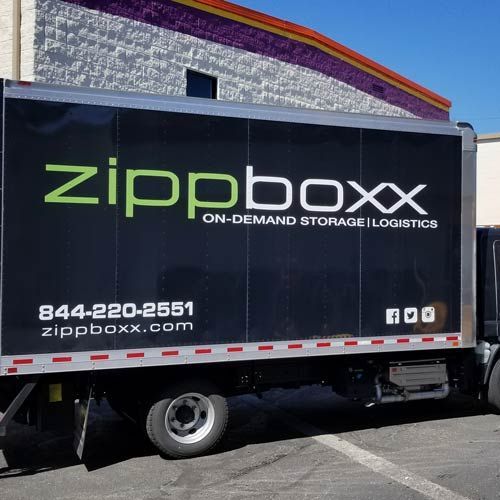
This is where companies like Zippboxx provide real value. By offering services specifically designed for the design and furnishings industry, they bridge the gap between creative project management and professional delivery. When logistics partners are built to serve designers and their clients, the entire experience becomes more consistent, more accountable, and more aligned with the standards that discerning clients expect.
White-glove delivery - which typically involves careful unwrapping, room-of-choice placement, assembly where needed, and removal of packaging materials - becomes far more reliable when it is managed within an integrated system. The delivery team knows in advance what is coming, where it is going, and what level of care is required. There are no surprises on either end of the transaction, which translates directly into higher client satisfaction and fewer costly service recovery situations.
Beyond the delivery itself, integrated systems also support better receiving and inspection protocols. When goods arrive at a warehouse or staging facility, they can be inspected against digital records of what was ordered, photographed for condition documentation, and flagged immediately if something is not right. This creates an auditable trail that protects both the logistics provider and the design professional, and it means that damaged or incorrect items are caught before they reach the client's home or commercial space.
Long-Term Strategic Advantages for Design Professionals and Businesses
Beyond the day-to-day operational benefits, integrated design and logistics management systems offer meaningful long-term strategic advantages for businesses that adopt them. The data generated by these systems over time becomes a valuable asset. Businesses can analyze delivery timelines, identify recurring bottlenecks, track vendor performance, and refine their procurement and scheduling processes based on real patterns rather than guesswork.
For interior designers and design firms, integrated logistics management also strengthens client relationships. When a firm can consistently deliver on its promises - when pieces arrive on time, in perfect condition, and in the right sequence - it builds a reputation for reliability that is extraordinarily difficult for competitors to replicate. In a field where referrals and repeat business are the lifeblood of growth, that reputation is worth far more than any individual project margin.
There are also important financial benefits to consider. Integrated systems reduce the costs associated with redelivery attempts, storage overruns, damaged goods claims, and the administrative overhead of managing multiple disconnected vendor relationships. When logistics is treated as a strategic function rather than a transactional one, businesses often find that their overall project profitability improves significantly. Time spent chasing down missing shipments or managing client complaints about delivery failures is time that could be spent on design work, business development, or client relationships.
- Reduced miscommunication between design and delivery teams, leading to fewer costly errors
- Improved scheduling accuracy that keeps projects on track and clients informed
- Better handling protocols for high-value, fragile, or custom items
- Centralized documentation that creates accountability and protects all parties
- Faster response to exceptions and unexpected changes in project scope or timeline
- Stronger client satisfaction driven by consistent, professional delivery experiences
- Long-term data insights that support smarter business decisions over time
- Lower operational costs through reduced redeliveries, damage claims, and administrative inefficiencies
As the fall season brings increased activity in home renovation, commercial build-outs, and holiday-driven purchasing, the pressure on design and logistics teams intensifies. Projects that might be manageable in quieter months become genuinely complex when volume spikes and timelines compress. This is precisely when the advantages of an integrated system become most visible. Businesses that have invested in unified design and logistics management are able to scale up operations without proportionally scaling up the chaos that typically accompanies growth.
It is also worth noting that integrated systems tend to improve team morale and professional satisfaction. When designers, project managers, and logistics coordinators are all working from the same information and toward the same goals, the friction that characterizes siloed operations diminishes. People spend less time on administrative firefighting and more time doing the skilled work they were hired to do. That shift in how teams spend their energy has a compounding positive effect on both output quality and employee retention.
For businesses evaluating whether to invest in an integrated approach, the question is not really whether the advantages exist - they are well-established across industries that have made the shift. The more relevant question is how quickly those advantages can be realized and what the right logistics partner looks like. Finding a partner who understands the specific demands of the design and furnishings sector, who offers the handling capabilities and communication infrastructure that integration requires, is the critical first step toward transforming logistics from a pain point into a genuine competitive advantage.
If you are a designer, retailer, or project manager ready to move beyond the frustrations of disconnected systems and unreliable deliveries, exploring what a purpose-built design logistics partner can offer is a smart place to start. The benefits of integration are not theoretical - they show up in every successful installation, every satisfied client, and every project that comes in on time and on budget. Take the time this fall to evaluate your current logistics workflow and ask whether a more integrated approach could be the upgrade your business needs to operate at the level your clients deserve. Reach out to Zippboxx to learn more about how their designer logistics services can help bring that integration to life for your projects.
SHARE THIS POST:
Get a Free Quote From Zippboxx
On-Demand Storage Experts
Zippboxx is much more than a team of people who love to keep you moving. We’re deeply invested in our people and our community.
Leave A Comment
Contact Zippboxx for a Free Quote
Blog - Website Form
Recent Posts


Services We Offer