What is Designer Consolidation in Interior Design

If you have ever worked with an interior designer or followed a large-scale renovation project from start to finish, you may have encountered a term that sounds straightforward but carries a surprising amount of logistical weight: designer consolidation. It is one of those behind-the-scenes processes that can make or break the success of a design project, yet it rarely gets the spotlight it deserves. Understanding what designer consolidation is, why it matters, and how it works in practice can help homeowners, designers, and anyone planning a major interior refresh approach their projects with far greater confidence and efficiency.
Interior design is not simply about choosing the right sofa or finding the perfect paint color. At a professional level, it involves coordinating dozens of vendors, managing the arrival of furniture, artwork, fixtures, textiles, and custom-made pieces, often sourced from multiple locations across the country or even internationally. All of these items need to arrive in good condition, at the right time, and be ready for installation in a single cohesive process. That is precisely where designer consolidation steps in, acting as the logistical backbone of high-end and large-scale interior design projects.
The Core Meaning of Designer Consolidation in Interior Design
Designer consolidation, at its most fundamental level, is a logistics and warehousing service that allows interior designers to receive, inspect, store, and coordinate the delivery of all furnishings and design items for a project under one organized system. Rather than having each individual piece shipped directly to a client's home the moment it arrives from a vendor, all items are routed to a central receiving warehouse. From there, a professional team inspects each piece for damage, stores it carefully, and then coordinates a single, unified white-glove delivery to the client's residence once everything is ready.
Think of it this way. A designer working on a full home renovation might be ordering a custom dining table from one manufacturer, a set of upholstered chairs from another, lighting fixtures from a specialty lighting house, area rugs from an international importer, and custom drapery from a local workroom. Each of these items will be produced and shipped on its own timeline. Without consolidation, the client would receive a parade of deliveries over weeks or months, with no coordination, no quality control at the point of receipt, and no guarantee that everything will arrive undamaged or on schedule. With designer consolidation, all of those pieces flow into one controlled environment, are checked thoroughly, and are then delivered together when the project is ready for its final reveal.
This process is particularly valuable in the fall season, when many homeowners and designers are working to complete major projects before the holiday season. The pressure to have everything in place by a certain date makes proper consolidation not just a convenience but an absolute necessity for staying on schedule.
Why Designer Consolidation Matters for High-End Projects
The importance of designer consolidation becomes especially clear when you consider how fragile and valuable the items involved often are. A hand-woven antique rug, a custom marble-topped console, or a set of hand-painted ceramic lamps are not items you want handled carelessly or left sitting in a standard shipping facility. Professional consolidation warehouses are equipped to handle high-value goods with the care they require, using proper padding, climate-controlled storage where needed, and trained staff who understand how to move and store delicate furnishings.
Beyond protecting the items themselves, designer consolidation protects the designer's reputation and the client's investment. When damage occurs during a direct-to-client delivery, there is often confusion about who is responsible - the shipper, the vendor, or the delivery crew. A consolidation service that receives and inspects each item upon arrival creates a clear record of condition, making it far easier to file claims and resolve issues before they become the client's problem. This kind of accountability is one of the most underappreciated benefits of working with a professional consolidation partner.
- All vendor shipments are received at a single, secure location
- Each item is inspected and documented upon arrival
- Damage claims can be identified and processed before client delivery
- Items are stored safely until the full project is ready for installation
- A single coordinated delivery reduces disruption at the client's home
- White-glove installation ensures everything is placed correctly the first time
For the designer, this workflow also eliminates the stress of chasing down multiple trucking companies, managing conflicting delivery windows, and fielding calls from frustrated clients who just received a damaged item at their front door. The consolidation facility acts as a trusted partner, handling the operational complexity so the designer can stay focused on the creative work.
How the Designer Consolidation Process Works Step by Step
While every consolidation provider operates slightly differently, the general process follows a reliable sequence that keeps projects moving forward with minimal friction. It begins the moment a designer places an order with a vendor. Instead of providing the client's home address as the delivery destination, the designer provides the consolidation warehouse's receiving address. This simple change routes the entire supply chain through a single, controlled checkpoint.
When a piece arrives at the warehouse, the receiving team logs it into an inventory system, noting the vendor, the designer, the project, and the condition of the item. If the outer packaging shows signs of damage, the team opens it during the receiving process and documents any issues with photographs. This is a critical step that would be impossible to replicate if items were delivered directly to a client's home by a trucking company that simply drops off and leaves.
Once items are received and inspected, they move into designated storage areas. Professional consolidation facilities maintain organized storage systems so that every piece belonging to a project can be quickly located and pulled when it is time to schedule delivery. This is especially important for large projects where dozens of items may trickle in over a period of several months before everything is complete and installation can begin.
When the designer determines that the project is ready for its final delivery and installation, the consolidation team coordinates the logistics of getting everything to the client's home in a single trip. This white-glove delivery typically includes not just moving items into the space but placing furniture, hanging artwork, and ensuring that every piece is positioned exactly as the designer intends. The result is a seamless, professional reveal rather than a chaotic series of drop-offs.
- Step one: Designer places orders using the warehouse as the receiving address
- Step two: Items arrive at the facility and are logged into inventory
- Step three: Each piece is inspected and any damage is documented
- Step four: Items are stored securely until the project is complete
- Step five: Designer schedules the final delivery when all items have arrived
- Step six: White-glove team delivers and installs everything in one coordinated visit
This systematic approach is what separates professional designer consolidation from simply using a general storage unit or asking the client to manage their own deliveries. The expertise, the documentation, and the end-to-end coordination are what make consolidation a genuinely valuable service rather than just a holding area for furniture.
Who Benefits Most from Designer Consolidation Services
While any interior design project can benefit from consolidation services, certain types of projects and certain types of clients tend to see the most dramatic improvements in their experience and outcomes when consolidation is part of the plan.
Interior designers working on full home furnishings, large-scale renovations, or model home installations are among the most frequent users of consolidation services. These professionals understand that their ability to deliver a flawless final product depends entirely on the quality of their logistics. When dozens of items from multiple vendors need to come together in one perfect moment, there is no room for improvisation.
Homeowners who are working on significant renovations and have hired a designer to manage the project also benefit enormously, even if they are not always aware of the process happening behind the scenes. What they experience is a smooth, impressive final reveal where everything arrives at once, is placed perfectly, and the home is transformed in a single day rather than over a series of frustrating weeks. That experience is largely made possible by the consolidation process that happened in the background.
Real estate developers and staging professionals also frequently rely on consolidation services, particularly when furnishing multiple units or properties on coordinated timelines. The ability to receive, hold, and deliver large quantities of furniture and decor on a precise schedule is essential in those contexts.
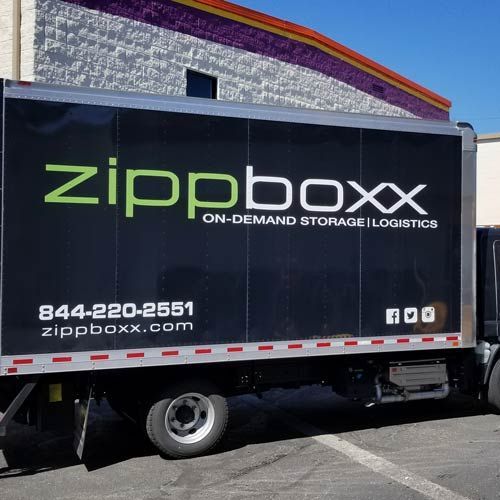
For anyone based on Long Island or the surrounding region, Zippboxx offers professional designer consolidation services designed to support interior designers and their clients throughout the entire project lifecycle. From receiving and inspection through secure storage and white-glove delivery, the team at Zippboxx understands the standards and expectations of the design industry. You can learn more about their specific offerings by visiting Zippboxx Long Island Designer Consolidation.
As the fall season pushes more designers and homeowners toward project completion deadlines, having a reliable consolidation partner becomes even more critical. The combination of vendor delays, high shipment volumes, and the pressure to be ready for the holidays creates exactly the kind of environment where professional consolidation services prove their value most clearly.
It is worth noting that not all consolidation services are created equal. When evaluating a potential partner, designers and homeowners should look for facilities that offer detailed receiving reports, photographic documentation of every item, organized and secure storage environments, flexible scheduling for final delivery, and experienced white-glove installation teams. These are the qualities that separate a true professional consolidation service from a basic warehousing operation.
Designer consolidation may not be the most glamorous part of interior design, but it is one of the most important. It is the invisible infrastructure that allows beautifully designed spaces to come to life exactly as envisioned, on time and without damage. Whether you are a designer looking to streamline your project workflow or a homeowner trying to understand what your designer means when they mention consolidation, the concept is worth understanding deeply. Great design deserves great logistics, and that is exactly what a professional consolidation service provides.
If you are planning a design project on Long Island and want to ensure that your furnishings are received, stored, and delivered with the level of care your investment deserves, reach out to Zippboxx today. Their team is ready to support your project from the very first delivery to the final installation, making sure that the design vision you worked so hard to create becomes a reality without the chaos that poor logistics can bring.
SHARE THIS POST:
Get a Free Quote From Zippboxx
On-Demand Storage Experts
Zippboxx is much more than a team of people who love to keep you moving. We’re deeply invested in our people and our community.
Leave A Comment
Contact Zippboxx for a Free Quote
Blog - Website Form
Recent Posts


Services We Offer