What Documentation is Required for Apartment Building Certificate of Insurance

If you have ever planned an apartment move, you have likely encountered a requirement that catches many renters and movers off guard: the certificate of insurance, commonly known as a COI. Building managers and property owners across the country routinely require moving companies to provide this document before a single piece of furniture crosses the threshold. Understanding what documentation is required for an apartment building certificate of insurance can save you from last-minute delays, denied building access, and a stressful moving day experience. Whether you are relocating in the fall when move schedules tend to pick up or planning ahead for any season, knowing the paperwork involved puts you in a much stronger position.
The COI requirement is not arbitrary. Apartment buildings, especially those with shared hallways, elevators, and common areas, carry significant liability exposure whenever a moving crew is on the premises. A heavy couch scraping a freshly painted wall, a dolly nicking a marble floor, or an injury in a shared stairwell can all result in costly claims. The COI is the building's way of ensuring that the moving company carries adequate insurance coverage and that the building itself is protected if something goes wrong. For tenants, understanding this requirement means fewer surprises when coordinating with both their moving company and their building management office.
What a Certificate of Insurance Actually Is and Why Buildings Require It
A certificate of insurance is a one-page summary document issued by an insurance company or its authorized agent that outlines the key details of a policyholder's insurance coverage. It is not the insurance policy itself but rather a condensed proof of coverage that third parties - such as building management companies - can review quickly. The document confirms that the moving company is currently covered under specific types of insurance policies, lists the policy limits, and identifies the policy's effective dates.
Apartment buildings require COIs from moving companies for several practical reasons. First, it protects the building's property from uninsured damage. Second, it shields the building owner or management company from liability if a mover is injured on their premises. Third, it establishes a clear record that due diligence was performed before a third-party contractor was allowed access to the building. In many cases, the lease agreement a tenant signs will include language referencing this requirement, even if it is not spelled out in detail. When you choose a moving company like Zippboxx, which provides COIs tailored to meet the specific needs of apartment buildings at both pickup and delivery locations, this process is handled for you as part of the service.
The Core Documentation Required for an Apartment Building COI
When a building management office requests a COI, they are typically asking for a specific set of documented coverage types and information fields. Not every building has identical requirements, but there is a standard set of documentation elements that nearly all apartment buildings expect to see. Understanding each component helps you ask the right questions when vetting a moving company.
- General Liability Insurance Coverage: This is the foundational coverage most buildings require. General liability protects against bodily injury and property damage claims that arise from the moving company's operations. Buildings typically require a minimum coverage amount, often starting at one million dollars per occurrence and two million dollars in aggregate, though some high-end residential buildings in major metro areas set higher thresholds.
- Workers' Compensation Insurance: This coverage protects the moving company's employees if they are injured on the job. Buildings require this to confirm that an injured mover cannot bring a claim against the building owner. The COI must show active workers' compensation coverage in the state where the move is taking place.
- Commercial Auto Insurance: Because moving trucks are large vehicles that often park in loading zones, building driveways, or restricted areas, buildings may require proof of commercial vehicle insurance. This document shows that the moving company's trucks and drivers are properly covered in the event of an accident during transit or while on the building's property.
- The Building Listed as an Additional Insured: This is one of the most commonly overlooked requirements. Many buildings do not just want to see that the moving company has insurance - they want to be specifically named as an additional insured on the policy. This gives the building direct rights under the policy in the event of a claim. The COI must explicitly list the building's legal name and address in the additional insured field.
- Policy Effective Dates: The COI must show that all listed policies are active on the specific date of the move. A lapsed or soon-to-expire policy will typically not be accepted.
- Name and Contact of the Insurance Provider: The document must include the name of the insurance company issuing the coverage, along with the name and contact information of the insurance agent or broker who can verify the coverage if needed.
- The Moving Company's Legal Business Name and Address: The COI must match the legal name under which the moving company is licensed and operating. Any discrepancy between the company name on the COI and the company name provided to the building can cause delays.
It is worth noting that some buildings, particularly those managed by large property management firms, use standardized COI request forms that specify exactly what they need. If your building has such a form, it should be forwarded to your moving company as early as possible so their insurance agent has time to issue the correctly formatted certificate.
How the COI Request Process Works in Practice
Understanding the documentation is only half the equation. Knowing how to actually obtain and submit it on time is equally important, especially during busy moving seasons like fall when move dates fill up quickly and building management offices handle a higher volume of COI requests.
The process typically begins when a tenant confirms their move date and notifies their building management office. The building will then provide the tenant with its COI requirements, which may come in the form of a checklist, a standard letter, or an email outlining the minimum coverage amounts and any additional insured requirements. The tenant then passes this information along to the moving company.
A reputable moving company will take that information and contact their insurance broker or insurance carrier directly. The broker issues a COI that reflects the building's specific requirements - most importantly, naming the building or property management company as an additional insured. This typically takes anywhere from a few hours to a couple of business days, which is one reason booking your move well in advance is recommended. Once the COI is issued, it is sent directly to the building management office, either by the mover or the tenant depending on the building's preference.
Many buildings will not schedule or confirm a move date on their elevator or loading dock calendar until a valid COI has been received and approved. In larger buildings, this is a firm policy. Submitting the COI well ahead of your move date - ideally at least a week in advance - gives everyone involved time to review the document and request corrections if anything is missing or incorrectly formatted.
Common Reasons COIs Are Rejected and How to Avoid Problems
Even when a moving company provides a COI, it can sometimes be rejected by the building, creating last-minute complications. Knowing the most common reasons for rejection helps you catch potential issues before they become day-of problems.
- Incorrect additional insured name: The building's legal name may differ from its common name. For example, a building known as "Riverside Towers" may be legally owned by an entity called "Riverside Properties LLC." The COI must list the exact legal name.
- Coverage limits too low: If a building requires two million dollars in general liability coverage and the COI only shows one million, it will not be accepted. Always confirm the building's minimum requirements before requesting the COI.
- Expired policy dates: If the COI is issued but the underlying policy expires before the move date, the building will reject it. Confirm that all policy effective periods extend through the actual move date.
- Missing coverage types: Some buildings require all three coverage types - general liability, workers' compensation, and commercial auto - while others only require general liability. Providing a COI that is missing a required coverage type will result in rejection.
- Wrong certificate holder address: The building's address listed on the COI must be accurate and complete. Even minor errors, such as a missing suite number or a zip code discrepancy, can prompt a rejection from a thorough building management office.
- Submitted too late: Some buildings have hard deadlines for COI submission - for example, no less than 72 hours before the scheduled move. Missing that window can result in losing your reserved elevator time or move slot entirely.
Working with a moving company that has experience navigating COI requirements for apartment buildings significantly reduces the risk of these issues. Companies that routinely work in apartment buildings understand what building managers are looking for and know how to structure the COI request to meet those requirements correctly the first time.
Why Choosing the Right Moving Company Makes All the Difference
The COI process is ultimately a reflection of how professionally a moving company operates. Companies that carry comprehensive insurance, have established relationships with their insurance brokers, and understand the nuances of apartment building requirements will have no trouble providing the documentation your building needs. Companies that do not carry proper coverage, or that are unfamiliar with the COI process, will create headaches for you and may even cause your move to be delayed or denied by building management.
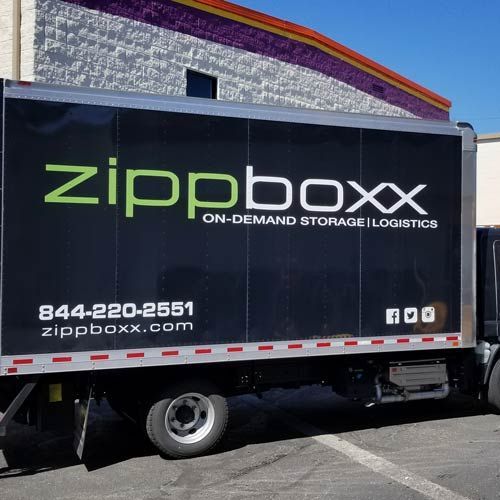
Zippboxx is built around the realities of apartment moving. The team understands the unique challenges that come with apartment relocations - from tight staircases and elevator restrictions to narrow hallways and building-specific rules. Providing COIs tailored to each building's requirements at both the pickup and delivery locations is part of the standard process, removing one of the most stressful administrative hurdles tenants face. Beyond the paperwork, Zippboxx also handles direct communication with building management to ensure compliance with all moving day rules and scheduling requirements.
With over 2,500 moves completed and more than ten years of experience serving customers in Long Island, NY and beyond, Zippboxx brings the kind of operational knowledge that only comes from years of working in real apartment buildings with real management requirements. The team includes over fifteen members trained not just in the physical aspects of moving but in the logistics and coordination that make apartment relocations go smoothly from start to finish.
When it comes to apartment moves, the administrative side matters just as much as the physical work. A moving company that cannot produce a valid COI on time is not a fully prepared moving company, regardless of how skilled the crew may be. Choosing a mover that treats COI compliance as a standard part of the process - not an afterthought - protects your move date, your building access, and your overall experience.
If you are preparing for an upcoming apartment move and want a team that handles every detail, including the certificate of insurance documentation your building requires, reach out to Zippboxx today. Getting started early gives your new building's management team everything they need well ahead of your move date, so you can focus on settling into your new space rather than chasing paperwork.
SHARE THIS POST:
Get a Free Quote From Zippboxx
On-Demand Storage Experts
Zippboxx is much more than a team of people who love to keep you moving. We’re deeply invested in our people and our community.
Leave A Comment
Contact Zippboxx for a Free Quote
Blog - Website Form
Recent Posts


Services We Offer