How to Determine the Size of Storage Unit Needed for a Home Relocation

Moving to a new home is one of the most logistically demanding experiences a person can go through. Between coordinating movers, managing timelines, and making sure nothing gets lost or damaged in transit, it is easy to overlook one of the most important decisions in the entire process - choosing the right size storage unit. Pick one that is too small and you will find yourself cramming furniture into corners, risking damage to your belongings. Pick one that is too large and you end up paying for space you simply do not need. Getting this decision right from the start saves you money, reduces stress, and keeps your relocation moving smoothly from beginning to end.
Fall is actually one of the busiest times of year for home relocations. Whether families are settling in before the holiday season, leases are ending, or real estate deals are closing before year-end, the demand for storage during fall moves spikes considerably. That means planning ahead - and sizing your storage correctly - matters even more when the season is in full swing. This guide will walk you through everything you need to know to make a confident, informed decision about storage unit sizing for your upcoming home relocation.
Start by Taking a Full Inventory of What You Need to Store
The single most important step in determining storage unit size is knowing exactly what you are working with. Before you can compare unit dimensions or estimate square footage, you need a clear, itemized picture of everything that will be going into storage. This sounds straightforward, but most homeowners significantly underestimate the volume of their belongings until they are standing in the middle of a half-packed living room.
Walk through your home room by room and make a list of every item you plan to store. Group items into categories - large furniture, appliances, boxed goods, seasonal items, and so on. As you go, pay particular attention to the bulkiest pieces in your home. A king-size bed frame, a sectional sofa, a dining table with six chairs, a refrigerator, or a piano will each take up a significant footprint in a storage unit. These anchor pieces are what will most directly influence which unit size you need.
Once you have your list, separate items into two groups: what absolutely must go into storage versus what can travel directly to your new home or be donated or discarded before the move. A home relocation is an ideal time to declutter, and reducing the volume of items you store even slightly can mean the difference between needing a larger unit and fitting comfortably into a smaller, less expensive one.
- List every room in your home and document large items individually
- Count boxes you expect to pack and estimate dimensions where possible
- Note any irregularly shaped items like bicycles, artwork, or outdoor furniture
- Identify items that require climate control, such as electronics, wood furniture, or musical instruments
- Separate items that are going directly to your new address from those that need temporary storage
Understanding Standard Storage Unit Sizes and What They Can Hold
Storage units come in a range of standard sizes, and understanding what each size realistically accommodates will help you match your inventory to the right option. Here is a general breakdown of how common storage unit dimensions translate to real-world capacity during a home relocation.
A 5x5 unit is roughly the size of a large closet. It works well for storing a handful of boxes, small furniture pieces like nightstands or chairs, or items from a single small room. If you are only storing overflow items or seasonal belongings during a move, this size can be a cost-effective choice. However, for most home relocations involving a full household, this size will fall short quickly.
A 5x10 unit offers about 50 square feet of floor space and is suitable for the contents of a studio apartment or a small one-bedroom. You can typically fit a mattress set, a small sofa, a few pieces of furniture, and a dozen or so boxes. For renters transitioning between apartments or homeowners storing the contents of one or two rooms, this is often a practical fit.
A 10x10 unit is one of the most popular choices for home relocations. With 100 square feet of floor space, it can accommodate the furnishings of a standard one or two-bedroom apartment, including a bed, dresser, couch, small dining set, appliances, and a substantial number of boxes. If you are moving out of a modest-sized home and need to store the majority of your belongings while your new space is being prepared, a 10x10 is frequently the go-to starting point.
A 10x15 unit expands your capacity significantly and works well for two to three-bedroom homes. You can fit larger sectional sofas, multiple bedroom sets, full dining room furniture, and a large volume of boxes. If your home has a garage or basement with additional stored items, this size gives you the breathing room to store everything without stacking precariously.
A 10x20 or 10x30 unit is designed for larger homes - typically three to five bedrooms - or for households that have substantial amounts of furniture, appliances, and belongings accumulated over many years. These units can also accommodate vehicles, outdoor equipment, and workshop tools alongside household goods.
- 5x5 - small closet, a few boxes or seasonal items
- 5x10 - studio or one-bedroom apartment contents
- 10x10 - one to two-bedroom home, most popular for relocations
- 10x15 - two to three-bedroom home with additional garage or basement items
- 10x20 or larger - three to five-bedroom homes or large households
Key Factors That Affect How Much Space You Actually Need
Matching your home size to a unit size is a useful starting point, but it is not the whole picture. Several additional factors can push your space requirement up or down, and overlooking them is one of the most common mistakes people make when reserving storage during a relocation.
The first factor is vertical space. Most storage units offer eight feet of ceiling height or more, which means you can stack items. Efficient stacking with properly packed boxes and smart furniture placement can allow you to fit more into a smaller unit. However, if you have fragile items, heavy appliances, or pieces that cannot be stacked safely, you will need more floor space to spread things out. Always account for how you plan to organize the unit, not just the total volume of items.
The second factor is access frequency. If you plan to retrieve items periodically while your home relocation is underway - which is common during fall moves when timelines can shift due to real estate or renovation delays - you will need an aisle down the center of your unit. This organizational approach requires more total floor space than a fully packed unit where nothing needs to be reached until final delivery. Build this into your size estimate if access during storage is a priority.
The third factor is the duration of storage. For short-term storage of a few weeks, you might manage a slightly tighter fit. For longer-term storage spanning several months, proper organization and spacing becomes more important both for item protection and for your sanity when you eventually unpack.
Climate sensitivity is another consideration. Items like wood furniture, electronics, artwork, and certain fabrics benefit from climate-controlled storage, which is especially relevant heading into the colder fall and winter months. If a significant portion of your belongings fall into this category, make sure the unit type you choose offers appropriate environmental controls.
Finally, consider the nature of your specific move. Are you staging your home for sale and need it to look sparse while showings happen? Are you in between a closing date and a move-in date with no overlap? Are you renovating your new home before moving in? Each scenario carries its own storage timeline and volume requirements, and sizing your unit with those specifics in mind leads to a much more practical outcome.
How a Full-Service Moving and Storage Partner Simplifies the Decision
One of the underappreciated advantages of working with a full-service moving and storage provider is that the sizing decision does not have to fall entirely on your shoulders. When professionals handle your move from start to finish, they bring experience and volume knowledge that makes the sizing process far more accurate than any online calculator or rough estimate.
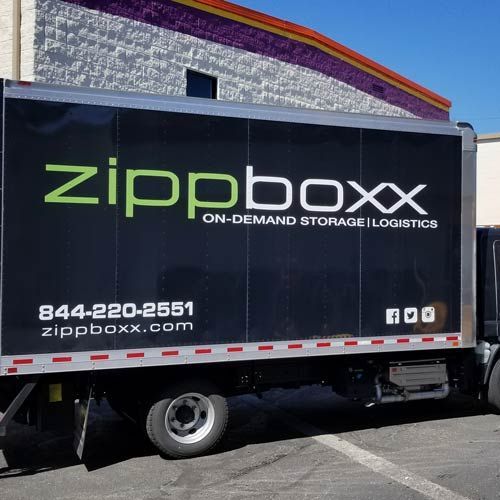
Zippboxx offers integrated moving and storage services for homeowners throughout New York, including Long Island. As a family-owned company with over ten years of experience and more than 2,500 completed moves, their team understands the practical realities of home relocations and the storage needs that accompany them. Rather than leaving you to figure out dimensions on your own, their approach includes upfront consultation and flat-rate quotes so you know exactly what you are getting and what it will cost before anything is packed or loaded.
Working with a provider like Zippboxx for moving storage means your items are picked up by professional movers, stored in secure and climate-controlled facilities, and delivered back to you on your schedule. This full-circle approach eliminates the logistical burden of renting a truck, estimating unit size independently, and coordinating between multiple vendors - all of which add stress and opportunity for error to an already demanding process.
The value of that professional guidance extends directly to the sizing question. When a trained team walks through your home for an estimate, they can assess the actual volume of your belongings with much greater accuracy than a self-guided inventory. They account for how items will be packed, how efficiently the unit can be loaded, and what size will give you the right fit without overpaying for excess space.
- Professional movers can estimate storage volume during the in-home consultation
- Flat-rate quotes remove the guesswork and hidden cost risk from sizing decisions
- Full-service pickup and delivery eliminates the need to manage logistics independently
- Secure, climate-controlled storage protects items through fall and winter months
- A single point of contact keeps your move and your storage aligned on the same timeline
Choosing the right storage unit size for a home relocation is one of those decisions that rewards careful thought and preparation. By starting with a thorough inventory, understanding what standard unit sizes can realistically hold, accounting for the specific factors that shape your storage needs, and partnering with experienced professionals who can guide the process, you set yourself up for a relocation that is organized, cost-effective, and far less stressful than the alternative. This fall, give your move the planning it deserves - and give your belongings the space and protection they need to arrive at your new home in perfect condition.
SHARE THIS POST:
Get a Free Quote From Zippboxx
On-Demand Storage Experts
Zippboxx is much more than a team of people who love to keep you moving. We’re deeply invested in our people and our community.
Leave A Comment
Contact Zippboxx for a Free Quote
Blog - Website Form
Recent Posts


Services We Offer