What Information Do Professional Movers Need for an Accurate Quote

Getting ready to move is one of the most logistically demanding experiences most people face, and one of the very first steps in that process is reaching out to a moving company for a quote. But here is something many people do not realize until they are already on the phone or filling out a form: the accuracy of that quote depends almost entirely on the quality of information you provide upfront. A vague, incomplete inquiry leads to a vague, unreliable estimate. A thorough, detailed one leads to a number you can actually budget around and trust.
Whether you are planning a local move across Long Island or a long distance relocation, understanding what professional movers need to give you an accurate quote puts you in control of the conversation from the very start. It reduces the chance of surprise charges on moving day, helps the moving team prepare the right crew size and equipment, and ultimately makes the entire experience smoother for everyone involved. If you have been wondering why two moving quotes for the "same move" can look completely different, the answer almost always comes down to the level of detail shared during the quoting process.
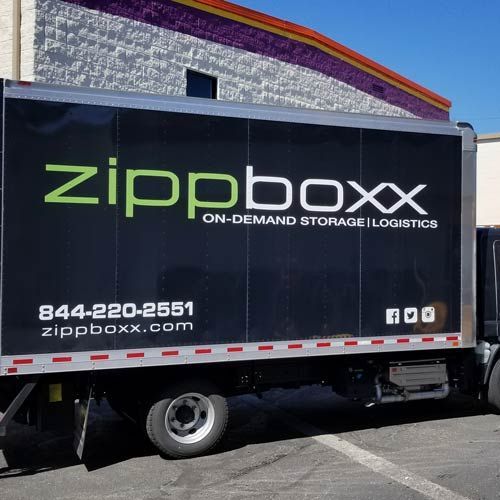
This guide breaks down every major category of information that professional movers look for when building an accurate estimate, so you can walk into your next quote request fully prepared. Zippboxx, a moving company serving Long Island, NY and surrounding areas, works with customers across a wide range of move types, and the details covered here reflect what matters most when getting a quote right.
Your Current Location and Destination Address Details Matter More Than You Think
The two addresses involved in your move are foundational to any quote, but there is far more nuance here than simply sharing a zip code. Professional movers need to understand the full physical context of both your origin and destination locations because those details directly affect how long the job will take and what resources are required.
At the pickup location, movers will want to know whether you live in a house, apartment, condo, or another type of dwelling. If it is an apartment or condo building, they need to know what floor you are on and whether there is elevator access. A fourth-floor walkup in Queens presents a very different set of physical and time demands than a ground-floor apartment with a service elevator. The same logic applies at the destination. A home with a long driveway, steps at the entrance, or a narrow hallway leading to a second-floor bedroom will take longer to navigate than a single-level ranch with easy truck access.
Parking and truck access are also critical. In dense urban neighborhoods, parking restrictions or narrow streets may require a smaller shuttle vehicle to ferry items from the truck to the building, which adds time and cost. In suburban areas, a long distance between where the truck can legally park and the front door can have a similar effect. When you provide your quote request, be as specific as possible about these access conditions. Movers are not trying to complicate things by asking about stairs and elevators - they are trying to give you a number that will not change dramatically on moving day.
Distance between your origin and destination matters too, particularly in distinguishing a local move from a long distance one. For long distance moves, mileage plays a significant role in pricing, and movers will need your full destination address, not just a city name, to calculate routing and any applicable regulations.
The Volume and Nature of Your Belongings Are the Heart of Every Estimate
Once a mover understands the addresses and access conditions, the next major factor is what you are actually moving. The volume of your belongings, measured in terms of the number of rooms, the types of furniture, and the overall weight or cubic footage, is what drives labor time, truck size, and sometimes crew size estimates.
Professional movers will typically ask for a room-by-room inventory or at least a general description of your home's size. Telling a mover you are moving out of a three-bedroom house gives them a rough starting point, but describing what is actually in those rooms is far more useful. A three-bedroom home where two bedrooms are nearly empty and one is used as a home office is a very different job than a fully furnished three-bedroom with a packed basement, a garage full of tools, and a dining room set that has been in the family for thirty years.
Beyond volume, the nature of specific items matters a great deal. Here are some categories that professional movers pay close attention to:
- Heavy or oversized furniture such as sectional sofas, king-sized bed frames, large dressers, and armoires
- Large appliances including refrigerators, washing machines, dryers, and chest freezers
- Pianos, safes, or other items that require specialized handling equipment
- Antiques, fine art, or high-value items that may need extra protection during transit
- Outdoor items like patio furniture, grills, lawn equipment, or playsets
- Items currently in storage units, garages, or sheds that are part of the move
- Exercise equipment such as treadmills, weight benches, or elliptical machines
Being upfront about these items is not just helpful - it is essential. A mover who shows up expecting a standard household move and finds a 700-pound gun safe in the basement or a grand piano in the living room will either be unable to complete the job as quoted or will need to adjust pricing significantly. Transparent communication during the quoting phase avoids that scenario entirely.
Fall is actually a popular time to move because the weather is generally cooperative and the summer rush has passed. However, it is also a time when families are settling in before the holidays, which means movers may be booking up quickly. Giving detailed inventory information early in the fall season helps your moving company plan resources and lock in your preferred date before availability tightens.
Packing Status, Additional Services, and Special Requirements Shape the Final Number
Two households with identical furniture and identical addresses can have very different moving quotes based on one key variable: whether the moving company is also handling packing. Professional movers need to know upfront whether you plan to pack everything yourself, whether you want them to pack some or all of your belongings, or whether you need unpacking services at the destination as well.
Full packing services require additional time, labor, and materials - all of which factor into the estimate. If you are only requesting partial packing, be specific about which rooms or item types you want help with. Fragile items like dishes, glassware, mirrors, and electronics often benefit from professional packing even when customers handle the rest themselves, and a mover needs to know about those requests to quote them properly.
Furniture disassembly and reassembly is another service detail that affects the quote. Bed frames, modular shelving units, large dining tables, and some entertainment centers need to be broken down before they can be safely moved. If you want the movers to handle that process at both ends of the move, that labor needs to be accounted for in the estimate. Similarly, if you need furniture assembly for new pieces at your destination, that is a separate consideration worth raising during the quoting conversation.
Storage is another service element worth addressing early. If there is a gap between your move-out and move-in dates, or if you simply need a place to hold items during a transition, professional movers who offer storage services need to know this upfront. The duration of storage, the volume of items being stored, and your expected retrieval timeline all affect the overall cost picture.
Additional service details that should be shared when requesting a quote include:
- Whether any items need to be disposed of or donated rather than moved
- Whether you have items in multiple pickup locations, such as a storage unit at a separate address
- Whether you need junk removal or cleanout services as part of the process
- Any time constraints, such as a specific move-in window required by a building or lease agreement
- Whether you require a certificate of insurance, which is commonly required by apartment buildings and co-ops in New York
Timing, Flexibility, and Move Type Help Movers Allocate the Right Resources
Professional movers also need to understand the timeline of your move to give you an accurate quote. Your preferred move date, how flexible you are around that date, and whether you have a hard deadline all factor into both pricing and availability. Weekend moves and moves at the beginning or end of the month tend to be in higher demand, and pricing may reflect that. If you have flexibility to move mid-week or in the middle of the month, sharing that flexibility during the quoting process can sometimes open up better options.
The type of move also shapes everything about how a quote is structured. A local move within the same county or region is typically priced differently from a long distance move crossing state lines. An apartment move has different logistical requirements than a full house move or an office relocation. If you are doing a small move with just a few items, that too is a distinct service category from a full household relocation. Being clear about what kind of move you are undertaking from the very beginning helps movers direct your inquiry to the right team and quote structure.
For office moves, additional details become relevant, such as the number of workstations, the presence of server equipment or large filing systems, whether the move must happen outside of business hours, and any building access restrictions at the commercial destination. These details are just as important to share during the quote request as they are for residential moves.
Finally, it is worth noting that the more organized and detailed you are when reaching out for a quote, the more confident a reputable moving company will be in the number they provide. A low-ball estimate built on incomplete information might look attractive at first glance, but it rarely reflects what you will actually pay. An accurate quote built on real, complete details is worth far more because it gives you a reliable foundation for planning your move without unwelcome surprises.
If you are planning a move on Long Island or to and from the surrounding New York metro area, working with a professional team that takes the time to understand your specific situation is the difference between a stressful experience and a smooth one. Reach out to Zippboxx to request a free quote and connect with a moving company that will ask the right questions and give you the accurate, transparent estimate your move deserves. Call (631) 677-1251 or visit the website to get started today.
SHARE THIS POST:
Get a Free Quote From Zippboxx
On-Demand Storage Experts
Zippboxx is much more than a team of people who love to keep you moving. We’re deeply invested in our people and our community.
Leave A Comment
Contact Zippboxx for a Free Quote
Blog - Website Form
Recent Posts


Services We Offer