Questions to Ask Long Distance Moving Companies Before You Hire

Moving across state lines or hundreds of miles from home is one of the most logistically complex undertakings a person or family can face. Unlike a local move where you might simply rent a truck and call a few friends, long distance relocations demand careful planning, significant financial investment, and a deep level of trust in the company handling your belongings. The stakes are high, and choosing the wrong mover can turn an exciting new chapter into a stressful, costly nightmare. That is exactly why knowing the right questions to ask long distance moving companies before signing anything is absolutely essential.
Summer is peak moving season. More people relocate between June and August than at any other time of year, which means moving companies are busier, demand for trucks is higher, and the pressure to book quickly can cloud your judgment. Rushing into a contract without doing proper due diligence is one of the most common mistakes long distance movers make. But with the right questions in hand, you can cut through vague promises and evaluate any mover with confidence and clarity.
This guide walks you through every critical question you should be asking, why each one matters, and what red flags to watch for in the answers. Whether you are relocating from Long Island to Florida, Texas, or anywhere across the country, use this as your blueprint for hiring a long distance moving company you can genuinely trust.
Start With Licensing and Insurance Questions
Before you ask a single question about pricing or availability, you need to establish whether the company is legally authorized to operate as an interstate mover. This is non-negotiable. In the United States, companies that transport household goods across state lines are regulated by the Federal Motor Carrier Safety Administration and must be registered with the FMCSA. They are assigned a USDOT number, which you can verify on the FMCSA website.
Ask every company you consider for their USDOT number and look it up yourself. Do not simply take their word for it. Beyond federal registration, ask whether the company carries cargo insurance and what the coverage limits are. There are two primary liability options you should understand:
- Released Value Protection, which is the most basic option and typically covers a minimal amount per pound of goods damaged or lost
- Full Value Protection, which holds the mover responsible for the replacement value of any lost or damaged items
Ask what liability options are included in your estimate and whether you have the choice to purchase full value protection. A reputable company will walk you through both options clearly and never pressure you into waiving coverage. If a mover is vague about their insurance or cannot produce their USDOT number promptly, that is a serious red flag.
Questions About Pricing, Estimates, and Hidden Fees
Pricing is one of the most confusing aspects of long distance moving, and unfortunately, it is also the area where dishonest companies tend to take advantage of customers. There are several types of estimates in the industry, and knowing the difference can save you from a nasty financial surprise on moving day.
Ask every company whether they offer a binding estimate, a non-binding estimate, or a binding not-to-exceed estimate. A binding estimate locks in your price regardless of whether the actual weight of your shipment is more than anticipated. A non-binding estimate means the final price can change based on actual weight, sometimes dramatically. A binding not-to-exceed estimate is often the most favorable for consumers because it caps your price while still allowing the cost to decrease if your shipment comes in lighter than expected.
Beyond the type of estimate, you should ask specifically about what is and is not included in the quoted price. Common additional charges that catch customers off guard include:
- Fuel surcharges
- Long carry fees if movers must carry items an excessive distance from the truck to your door
- Elevator fees in apartment buildings
- Stair fees
- Charges for disassembling and reassembling furniture
- Packing and unpacking services if you request them
- Storage fees if delivery is delayed
Ask the company to provide a written, itemized estimate and to walk you through every potential add-on charge before you sign anything. Also ask how the estimate is calculated. Long distance moves are generally priced by weight and distance, so ask how your shipment weight will be determined and whether you can be present at the weigh station if applicable.
What to Ask About Experience and Reputation
Experience matters enormously in long distance moving. Ask how long the company has been in business and how many long distance moves they complete annually. A company that primarily does local moves may not have the logistics network, equipment, or coordination capabilities required for a seamless cross-country relocation. You want a mover who handles long distance work regularly and has proven systems in place.
Ask specifically whether they perform the move themselves or whether they broker it out to a third-party carrier. Brokers are legal but they act as middlemen, and the company that shows up on moving day may not be the company you researched and vetted. If a company is a broker, ask for full details on who the actual carrier will be, and do your due diligence on that carrier as well. Many customers are surprised to find that the company they thought they hired never actually touches their belongings.
Ask for references from past long distance customers and take the time to read independent reviews on platforms like Google, the Better Business Bureau, and the FMCSA complaint database. Look specifically for patterns rather than isolated incidents. A handful of negative reviews among hundreds of positive ones is very different from consistent complaints about damaged goods or unreliable delivery windows.
Questions About the Moving Process and Timeline
Once you are satisfied with a company's credentials and pricing transparency, shift your attention to the logistics of how the move will actually work. Ask for a clear, realistic delivery window. Long distance moves often operate within a range of days rather than a specific guaranteed date, and this is standard in the industry. However, you deserve to know the earliest and latest possible delivery dates so you can plan accordingly, arrange accommodations, and coordinate your schedule.
Ask whether your belongings will be placed on a dedicated truck or combined with other customers' shipments. Consolidated loads, sometimes called shuttle services or relay systems, can extend delivery timelines. There is nothing inherently wrong with this approach, but you deserve to know upfront if your furniture may sit in a warehouse while the truck completes other deliveries.
Other key process questions to ask include:
- Who will be my primary point of contact during the move, and how can I reach them?
- Can I track my shipment in transit?
- What happens if delivery is delayed beyond the agreed window?
- How are fragile or high-value items handled and protected?
- Do you provide packing services, and what materials do you use?
- What is your process if items are damaged or missing upon delivery?
A quality long distance moving company will have clear, direct answers to all of these questions. Vague responses, repeated redirections, or a reluctance to put anything in writing are signs that the company may not be as organized or trustworthy as their marketing suggests.
What to Ask About Storage Options
Long distance moves frequently involve timing mismatches. Your new home may not be ready for occupancy on the same day your old home needs to be vacated. Ask every company you interview whether they offer short-term or long-term storage and what the conditions of that storage are. You want to know whether your items will be stored in a climate-controlled facility, how access is managed, and what additional costs you will incur for each day or week of storage.
Ask whether your belongings will remain in the moving company's care throughout the storage period or whether they will be transferred to a third-party warehouse. Continuity of care matters because every transfer point introduces additional risk of damage or misplacement. The best scenario is a company that manages storage in-house under the same liability terms as the move itself.
Red Flags to Watch for During Your Search
As you go through the process of asking these questions, keep an eye out for warning signs that should make you pause or walk away entirely. Some of the most common red flags in the long distance moving industry include:
- Quotes given over the phone without an in-home or virtual survey of your belongings
- Requests for large cash deposits before the move
- A company that uses a generic name and does not have a consistent physical address
- Reluctance to provide a written contract or binding estimate
- Prices that seem dramatically lower than all other quotes you have received
- No verifiable USDOT number or inability to produce proof of insurance
Rogue movers, sometimes called moving scams, are a real problem in the industry, particularly during the busy summer months when demand spikes and people are in a hurry to book. The most common scam involves a company providing a very low initial estimate and then holding your belongings hostage, demanding a much higher payment before delivery. Asking the right questions upfront and only working with companies that can answer them clearly and in writing is your best defense.
Why Zippboxx Is Worth Considering for Your Long Distance Move
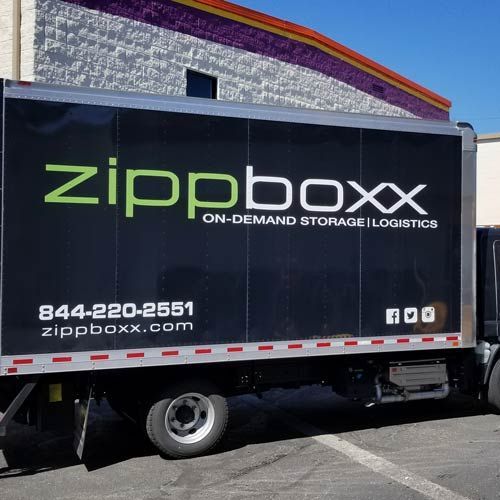
If you are planning a long distance move from Long Island, Zippboxx offers moving services specifically designed to handle the demands of interstate relocation with care and professionalism. When you choose a mover, you want a company that welcomes your questions rather than deflecting them, provides transparent pricing, and treats your belongings with the same respect you do. Zippboxx is committed to giving customers the information they need to feel confident at every step of the process.
You can learn more about their long distance moving services and reach out directly to get a thorough, honest estimate by visiting Zippboxx Long Island Long Distance Movers. Getting started with the right team makes an enormous difference when your move spans hundreds of miles and everything you own is on the line.
Final Thoughts Before You Sign Anything
Hiring a long distance moving company is a decision that deserves as much research and scrutiny as any major financial commitment. The questions outlined in this guide are not meant to intimidate movers or create unnecessary friction. They are meant to help you identify the companies that are genuinely prepared, legally compliant, and committed to delivering your belongings safely and on time.
Before you sign a contract, make sure you have received a written, itemized estimate. Confirm the company's USDOT number is valid. Understand the full scope of liability coverage available to you. Know your delivery window. Understand exactly how your move will be executed from pickup to final delivery. And most importantly, trust your instincts. A company that is patient, transparent, and thorough in answering your questions is far more likely to deliver a smooth moving experience than one that rushes you through the process.
This summer, if you are relocating from Long Island to a new state, take the time to ask every question on this list. Your peace of mind is worth it, and the right moving company will prove it with every answer they give.
SHARE THIS POST:
Get a Free Quote From Zippboxx
On-Demand Storage Experts
Zippboxx is much more than a team of people who love to keep you moving. We’re deeply invested in our people and our community.
Leave A Comment
Contact Zippboxx for a Free Quote
Blog - Website Form
Recent Posts


Services We Offer