How to Organize Your Home Before the Professional Packers Arrive

There is something uniquely exciting about a summer move. The long days, the warm weather, and the promise of a fresh start all combine to make the season feel like the perfect time to turn the page. But excitement alone does not get your belongings safely into boxes and transported to your new address. What truly determines whether a move goes smoothly or descends into chaos is the preparation you do before the professional packers ever set foot through your front door. If you have already made the smart decision to hire a professional packing team, you are ahead of the game. But there is still meaningful work you can do in the days and weeks leading up to packing day that will save you time, protect your belongings, and make the entire experience far less stressful than it would otherwise be.
Professional packers are skilled, efficient, and experienced. They can transform a cluttered room into a neatly organized stack of labeled boxes in a fraction of the time it would take the average person working alone. However, even the best packing team works more effectively when the home they are walking into has been thoughtfully prepared. Think of it like scheduling a professional house cleaning. The cleaner can do a thorough job on any home, but if you have already picked up clutter and cleared the counters, they can focus their energy on the deep cleaning that actually requires expertise. The same principle applies to packing. When you organize your home before the professionals arrive, you are creating the ideal conditions for an efficient, accurate, and damage-free packing job.
Start With a Full Walkthrough of Your Home
Before you do anything else, walk through every room of your home with fresh eyes and a notepad. This is not a casual stroll. This is a deliberate audit of everything you own and everything you plan to do with it. As you move from room to room, you are essentially asking three questions about every item you see: Am I taking this with me? Should this be donated or given away? Does this need to be thrown out? This sorting process, often called decluttering, is the single most important thing you can do to prepare for professional packers.
Here is why this step matters so much. Professional packers are paid to pack what is in front of them. They are not in the business of making decisions about what you value and what you no longer need. If you have not sorted through your possessions before they arrive, you risk paying to pack, transport, and unpack items that you never wanted in the first place. The more thoroughly you declutter in advance, the less time and money you spend on the move itself, and the more organized your new home will be from day one.
Summer is actually an excellent time for this kind of audit. You can pull boxes out of storage areas, spread things across the driveway or backyard, and sort through them in natural light without the discomfort of doing the same in a cold garage in the middle of winter. Take advantage of the season and give yourself enough time. A large family home may require several weekend sessions of sorting before you are ready for packing day.
Create Clear Categories for Everything You Own
Once you have completed your walkthrough and committed to the decluttering process, the next step is to establish clear categories for your belongings. This is where real organizational discipline pays dividends. Rather than making vague piles, create defined systems that the packers can immediately understand and work with.
- Items going to the new home: These stay in their rooms and are ready for packing. Group similar items together wherever possible so that the packers can box up an entire category without hunting around the house.
- Items being donated: Move these to a single location, ideally near the front door or in the garage, so they are easily accessible and will not be confused with items that are being packed.
- Items being discarded: Bag these up and arrange for trash pickup or a dumpster rental before packing day. Clutter being discarded should never be in the same space where active packing is happening.
- Items going to storage: If you are using a storage facility, set these aside separately and label them clearly. Make sure the packers know these items have a different destination.
- Items requiring special handling: Fragile antiques, valuable artwork, important documents, and sentimental items that you want to personally oversee should be identified early and communicated to your packing team.
Having these categories clearly defined and physically separated before packing day eliminates the need for mid-session decision-making, which slows everything down and introduces the possibility of mistakes.
Handle Hazardous and Non-Packable Items Yourself
Professional packing teams are thorough, but there are certain categories of items that movers and packers will not transport under any circumstances. These include flammable materials, pressurized aerosol cans, certain cleaning chemicals, propane tanks, and perishable food items. It is your responsibility to identify these items and dispose of them safely before packing day arrives.
Walk through your garage, storage areas, and kitchen with this in mind. Use up pantry staples in the weeks before your move. Dispose of old paint, solvents, and garden chemicals at your local hazardous waste facility. Transfer medications and important personal documents into a bag or box that you will personally transport rather than include with the professionally packed items. Setting aside a clearly labeled personal essentials box, sometimes called an open-first box, is another best practice. This box should contain everything you will need in the first twenty-four hours at your new home, including toiletries, phone chargers, a change of clothes, and anything else you would not want to search through a stack of boxes to find on moving day.
Prepare Each Room Before the Packers Work in It
One of the most practical things you can do is prepare each individual room before the packing crew moves into it. This means more than just tidying up. It means actively setting the room up for efficient packing. Consider the following for each space in your home.
- Kitchen: Empty your refrigerator and freezer of perishables in the days leading up to the move. Consolidate loose items like spices, pantry staples, and small appliances into organized groups on the counters or table so the packers can box them systematically.
- Living room: Remove items from walls, including artwork, mirrors, and shelving. Group fragile decor items together and set aside any electronics with their original cables and accessories bundled together.
- Bedrooms: Clear dresser tops and nightstands. Remove items from under the bed and decide whether they are coming with you or being donated. Pull seasonal clothing or items in storage bags out of the closet and decide their fate before packing day.
- Bathrooms: Go through your medicine cabinet and discard expired medications. Consolidate toiletries and towels so they are easy to pack as a unit.
- Home office: Back up important files and data before the computer equipment gets packed. Organize cables, accessories, and peripherals so they stay together and are easy to reconnect at the new location.
- Garage and storage areas: These spaces tend to accumulate the most miscellaneous items and deserve extra time. Sort tools, sports equipment, and seasonal items before packing day and make sure everything you want packed is accessible and not buried under things that are being discarded.
Communicate Clearly With Your Packing Team
Even the most experienced professional packers benefit from clear communication about your priorities, concerns, and expectations. Before packing day, reach out to your packing company and share any relevant details. Are there particularly fragile or high-value items that require extra care? Are there rooms or items that should not be packed because you are handling them yourself? Is there a specific order in which rooms should be packed to accommodate the logistics of your move?
On the day itself, be present and available for questions at the start of the session. A brief walkthrough with the team leader at the beginning of packing day, where you point out special items and explain your organizational system, can prevent confusion and ensure that the packers understand exactly what is expected. Once they are up and running with that clarity, you can step back and let the professionals do what they do best.
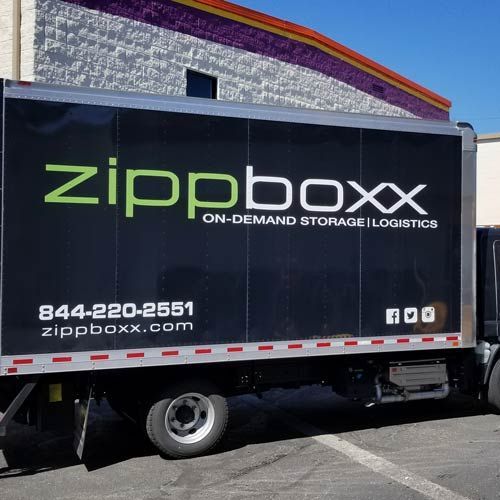
If you are working with a team like Zippboxx's professional packing services on Long Island, you can expect trained packers who bring premium materials, use secure packing techniques, and label every box clearly by room and contents. That kind of systematic approach becomes even more effective when the home is already organized and ready to receive that level of professional attention.
Disassemble Furniture and Prep Large Items in Advance
If you have furniture that needs to be disassembled before it can be moved, try to take care of this before the packing crew arrives if possible, or at the very least, identify the pieces that will need attention so the team can plan accordingly. Bed frames, large shelving units, and modular furniture that comes apart easily should be broken down in advance to save time on moving day. Keep the hardware, screws, and bolts in clearly labeled ziplock bags taped directly to the furniture they belong to.
Similarly, if you have large appliances such as a washing machine or refrigerator that need to be prepared for transit, make those arrangements in advance. Defrost the freezer at least twenty-four hours before the move. Disconnect and drain the washing machine. Having these items already prepared when the team arrives removes obstacles and keeps the process moving forward at a steady pace.
Label and Organize What You Want Kept Together
If there are sets of items that must stay together during packing, flag them clearly before the crew arrives. This might mean grouping a television with its remote control and HDMI cables, keeping a collection of books together, or ensuring that a set of china stays as a complete unit. Color-coded stickers, sticky notes, or even simple masking tape labels can communicate your intentions clearly without requiring constant verbal instruction. The more information the packers have about your preferences, the better the final result will be.
Secure Valuables and Important Documents Separately
No matter how professional and careful a packing team is, there are certain items that should never go into the general packing flow. Original documents such as passports, birth certificates, property deeds, insurance papers, and financial records should be gathered into a secure folder or binder that you keep in your personal possession throughout the move. Jewelry, cash, and small high-value collectibles also fall into this category. Setting these items aside in a clearly designated bag or lockbox before packing day ensures they will not accidentally end up in a box destined for a truck.
The Payoff of Good Preparation
Organizing your home before the professional packers arrive is not just about being tidy. It is a strategic investment of your time and energy that pays off in multiple ways. It reduces the total time the packing team needs, which can directly affect the cost of the service. It minimizes the chance of items being packed incorrectly or lost in the shuffle. It makes the unpacking process at your new home dramatically faster and less confusing. And perhaps most importantly, it gives you peace of mind on moving day itself because you will walk into the day knowing that everything is in order.
Summer moves can be hectic, but they do not have to be overwhelming. With the right preparation on your end and the right professional team on the other, moving into a new home can feel exciting rather than exhausting. Declutter deliberately, communicate clearly, and handle your non-packable items in advance. By the time the packers roll up their sleeves and get to work, you will have already done your part, and the whole process will reflect that effort in the most satisfying way possible.
If you are planning a move on Long Island and want a professional packing team that brings experience, care, and efficiency to every job, consider reaching out to Zippboxx. With over 2,500 moves completed and more than ten years of experience helping Long Island residents move with confidence, Zippboxx offers customized packing solutions for homes of every size, from single-room packing to full whole-home packing services. Whether you need your kitchen packed, your entire house handled from top to bottom, or anything in between, the team arrives fully equipped with premium materials and the expertise to get it done right. Visit Zippboxx Packing Services to learn more and take the first step toward a smooth, stress-free move this summer.
SHARE THIS POST:
Get a Free Quote From Zippboxx
On-Demand Storage Experts
Zippboxx is much more than a team of people who love to keep you moving. We’re deeply invested in our people and our community.
Leave A Comment
Contact Zippboxx for a Free Quote
Blog - Website Form
Recent Posts


Services We Offer