How Professional Packers Protect Fragile Items During Transit

Moving is one of life's most stressful events, and nothing amplifies that stress quite like watching a cherished piece of glassware, a family heirloom, or an expensive piece of electronics get damaged in transit. Fragile items require far more than a few sheets of newspaper and a prayer. Professional packers bring a combination of training, technique, and premium materials to ensure that even the most delicate belongings survive the journey from one home to another without a scratch. If you have ever wondered exactly how professional packers protect fragile items during transit, the answer lies in a systematic, detail-oriented process that goes well beyond what most people attempt on their own.
This fall, as families across Long Island prepare for seasonal moves and home transitions, understanding what professional packing actually involves can help you make smarter decisions about your upcoming move. Whether you are relocating a small apartment or an entire household, knowing the methods behind expert packing gives you genuine confidence that your belongings are in capable hands.
The Foundation of Fragile Item Protection Starts With the Right Materials
One of the most significant differences between DIY packing and professional packing is the quality and variety of materials used. Most people default to whatever boxes they can find at a grocery store and a roll of tape from the hardware aisle. Professional packers, on the other hand, arrive with a curated arsenal of supplies specifically chosen to match the items being packed.
The materials used by professional packing teams typically include several distinct layers of protection. First, there are sturdy, purpose-built corrugated boxes in various sizes. Unlike salvaged boxes that may already be weakened from previous use, professional-grade boxes are designed to maintain structural integrity under the weight and pressure of stacking during transport. Choosing the right box size for each item is itself a skill - an oversized box creates room for shifting, while an undersized box can crush its contents.
Beyond boxes, professional packers rely on the following core materials to protect fragile items:
- Bubble wrap in multiple thicknesses, with heavier-gauge wrap reserved for items like vases, sculptures, and electronics
- Packing paper and tissue paper for wrapping individual items and filling void space without adding excessive weight
- Foam sheeting and foam pouches for particularly delicate surfaces that can scratch easily
- Specialty boxes such as dish pack boxes with built-in cell dividers for glassware and plates
- Packing peanuts or biodegradable fill for cushioning the base, top, and sides of boxes
- Heavy-duty packing tape applied in precise patterns to reinforce box seams and lids
Each of these materials plays a specific role. The goal is to eliminate movement inside the box, absorb impact from outside the box, and create a protective shell around every item regardless of what happens during loading, transport, or unloading.
Wrapping Techniques That Make a Real Difference for Delicate Belongings
Even with the best materials available, the technique used to wrap fragile items is what separates professional results from amateur ones. Professional packers are trained to think about each item individually. They assess the item's shape, weight, fragility, and surface sensitivity before selecting a wrapping approach.
For items like plates and ceramic dishes, professional packers typically wrap each piece individually in packing paper before placing them vertically inside a dish pack box. This orientation - standing on edge rather than stacked flat - distributes weight more evenly and dramatically reduces the risk of breakage. Padding is placed between each wrapped piece, and the remaining void space in the box is filled completely so nothing shifts during movement.
Glassware such as wine glasses, stemware, and drinking glasses receives a particularly careful treatment. Professional packers often use cell-divided boxes designed specifically for glasses, with each cell providing an individual compartment. Each glass is wrapped from the inside out, starting with paper or foam pushed into the interior of the glass and then spiraled outward to create a padded bundle. The opening of the glass is protected, and the bundle is placed upright or at an angle depending on the glass shape.
Artwork, mirrors, and framed photos present their own challenges because of their flat, breakable surfaces. Professional packers use corner protectors to guard the vulnerable edges, then wrap the entire piece in paper or bubble wrap before placing it in a mirror box or a flat picture box. These specialty boxes are designed with extra depth to accommodate the wrapped item without compressing the padding. Multiple framed pieces are never placed face to face without adequate cushioning between them.
For electronics such as televisions, computer monitors, and audio equipment, professional packers understand that the screen and internal components are the primary vulnerabilities. Ideally, original manufacturer boxes are used when available, as they are engineered precisely for the device. When original packaging is unavailable, professional packers build a custom fit using foam sheeting around the screen, bubble wrap around the full unit, and a snug box with no room for lateral movement.
How Professional Packers Organize and Load Boxes to Prevent Transit Damage
Protecting fragile items is not only about how each individual piece is wrapped. The way boxes are organized, labeled, and loaded into a moving truck plays an equally important role in whether delicate belongings arrive safely. Professional packers take a holistic view of the entire packing and loading process as a single connected system.
Labeling is a critical step that many DIY movers underestimate. Professional packing teams clearly mark every box containing fragile items with handling instructions visible from multiple angles. This ensures that anyone handling the box during loading, transport, or unloading knows to treat it with extra care. Beyond fragility labels, boxes are labeled by room and content category, which also helps movers make smarter stacking decisions.
The loading sequence inside a moving truck is another layer of protection. Heavy, dense boxes go on the bottom and toward the front of the truck near the cab, where they experience less movement. Fragile boxes are loaded last and positioned toward the top of stacks or against stable walls where they will not bear the weight of other boxes. Furniture, mattresses, and other large items are often positioned to act as natural barriers that prevent fragile boxes from shifting during transit.
Professional packing teams also create an inventory list during the packing process. Every box is documented, and its contents are recorded. This serves a practical purpose beyond organization - it creates accountability. If an item is reported damaged after a move, the inventory helps trace exactly how and where it was packed, making it easier to identify any gaps in the process and improve future outcomes.
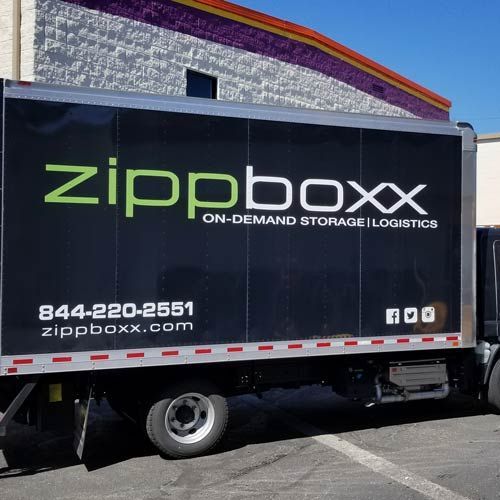
The team at Zippboxx follows this kind of structured approach to packing, arriving with all necessary materials and applying secure packing techniques designed to prevent damage during transit. With over ten years of experience and more than 2,500 moves completed, Zippboxx brings a level of professional expertise that protects everything from delicate china to oversized artwork.
Room-by-Room Fragile Item Challenges and How Professionals Handle Them
Different rooms in a home present different fragile item challenges, and professional packers approach each space with a tailored strategy rather than a one-size-fits-all method.
The kitchen is typically the most fragile-item-dense room in any home. Plates, bowls, glasses, mugs, mixing bowls, bakeware, and small appliances all require individual attention. Professional packers work through kitchen packing methodically, using dish pack boxes with dividers for glassware, wrapping each ceramic and porcelain piece individually, and padding small appliances to protect both the exterior finish and any internal components. Pots and pans, while durable, still need padding inside them and stacking protection to prevent handles from being bent or finishes from being scratched.
The living room brings its own set of fragile concerns. Decorative items, table lamps, framed artwork, collectibles, and electronics all require specialized handling. Lamp shades, for example, are notoriously difficult to pack because they are both large and delicate. Professional packers often wrap them in tissue paper and place them inside boxes with ample padding rather than compressing them, which can distort the shape or damage the fabric.
Home offices introduce high-value fragile items like desktop computers, monitors, external hard drives, and sensitive documents. Professional packers treat electronics with particular care because the cost of damage extends beyond the physical device - data loss and replacement costs can be significant. Screens are protected with foam or microfiber padding, cables are organized and packed separately, and the overall packing is designed to prevent any pressure on sensitive connection ports or display panels.
Bathrooms may seem low-risk, but mirrors, glass shelves, perfume bottles, and decorative items all warrant careful packing. Small glass bottles are wrapped individually and nested together with padding, while larger mirrors receive the same corner protection and specialty boxing used for artwork.
In the bedroom, items like jewelry boxes, decorative lamps, keepsakes, and bedside electronics all need individual attention. Professional packers are trained to recognize sentimental and monetary value in every room and adjust their care accordingly, never rushing through a space just because it appears simple on the surface.
Why Hiring Professional Packers Is a Smart Investment for Your Next Move
When you weigh the cost of professional packing services against the potential cost of damaged or broken items, the value proposition becomes clear. A single broken piece of fine china, a cracked television screen, or a shattered decorative mirror can cost more to replace than the packing service itself. Beyond financial protection, professional packing delivers something equally valuable: time.
Packing a full home on your own is an enormously time-consuming task that most people underestimate until they are knee-deep in half-filled boxes with moving day approaching. Professional packing teams can complete in hours what would take most individuals several days, without cutting corners on protection quality.
There is also the physical and emotional toll of packing to consider. Moving already demands an enormous amount of mental energy as you coordinate logistics, manage utilities, notify contacts of your address change, and handle the countless other details of a transition. Delegating the packing to professionals frees you to focus on the things that genuinely require your personal attention.
For residents across Long Island preparing for a fall move, Zippboxx offers professional packing services that cover everything from individual rooms to entire homes. Their trained team brings all necessary packing supplies, applies professional wrapping and boxing techniques, clearly labels every box, and creates an inventory list to keep the entire process organized and accountable. Whether you need your kitchen packed, your living room fragiles carefully wrapped, or your entire home handled from start to finish, working with an experienced packing team gives you measurable protection and genuine peace of mind.
Fragile items deserve more than good intentions and whatever bubble wrap happens to be on sale. They deserve the systematic, material-rich, technique-driven approach that professional packers bring to every job. If you are planning a move and want to ensure your most delicate belongings arrive exactly as they left, reach out to Zippboxx today to discuss your packing needs and get a personalized quote for services tailored to your home and timeline.
SHARE THIS POST:
Get a Free Quote From Zippboxx
On-Demand Storage Experts
Zippboxx is much more than a team of people who love to keep you moving. We’re deeply invested in our people and our community.
Leave A Comment
Contact Zippboxx for a Free Quote
Blog - Website Form
Recent Posts


Services We Offer