How to Choose a Moving and Storage Company: Your Complete Guide

Moving is one of life's most significant transitions, and for many people, it ranks among the most stressful experiences they will ever face. Whether you are relocating across town, downsizing after a major life change, or managing a renovation that requires temporary storage, finding the right moving and storage company can make the difference between a smooth, confident process and a chaotic, costly nightmare. The challenge is that the moving industry is crowded with options, and not every company delivers on its promises. Knowing how to choose a moving and storage company with confidence — one that is trustworthy, transparent, and truly equipped to handle your needs — is a skill worth developing before you ever pick up the phone.
This guide walks you through every meaningful factor to consider when evaluating moving and storage companies, from licensing and insurance to pricing structures, storage facility quality, and customer service standards. By the end, you will have a clear framework for making the right decision, and you will understand why companies like Zippboxx — a Long Island-based, full-service moving and storage provider — have earned loyal followings among New York-area residents who refuse to settle for less than reliable, professional service.
Start With Licensing and Insurance — Non-Negotiables
Before you evaluate anything else about a moving and storage company, verify that they are properly licensed and insured. This is not a minor detail — it is the foundation of your protection as a consumer. A legitimate moving company operating within the United States should be registered with the Federal Motor Carrier Safety Administration (FMCSA) and carry a valid USDOT number. You can verify this information on the FMCSA website. For moves within a single state, companies are typically regulated by state transportation agencies, so requirements may vary slightly depending on where you live.
Insurance is equally critical. At minimum, any reputable mover should offer basic liability coverage. However, that standard level of coverage often provides only minimal compensation based on the weight of your items, not their actual value. Ask companies specifically what their valuation options are, whether they offer full replacement value protection, and how they handle claims if something is damaged or lost during a move or while in storage. A company that is upfront and confident about its insurance coverage is far more trustworthy than one that deflects these questions.
Understand What "Full-Service" Actually Means
The phrase "full-service moving and storage company" gets used liberally in the industry, but what it includes can vary significantly from one company to the next. For most people searching for moving and storage solutions, the ideal scenario is a single provider that handles every step of the process — packing, loading, transport, secure storage, and on-demand delivery back to your home or new location. When all of these services are coordinated under one roof, you eliminate the confusion and risk that comes from working with multiple vendors.
When evaluating what a company means by full-service, ask these clarifying questions:
- Do your movers handle packing and wrapping, or is that a separate add-on?
- Do you provide all packing materials, or will I need to source my own?
- Is the storage facility your own, or do you use a third-party warehouse?
- Is delivery back from storage included in the quoted price, or does it carry an additional charge?
- Do you handle specialty items such as large furniture, electronics, or fragile antiques?
The answers to these questions will reveal quickly whether a company's definition of full-service aligns with your actual needs. Companies that own and operate their own storage facilities, as opposed to subcontracting to a third party, tend to offer more consistent quality control and better accountability throughout the process.
Evaluate Storage Facility Quality and Security
When storage is part of the equation, the physical quality of the facility deserves serious scrutiny. Many people focus so heavily on the moving side of the equation that they overlook what happens to their belongings once they are placed in storage. A storage facility that lacks proper climate control, adequate security, or organized inventory management can put your possessions at risk regardless of how carefully they were packed and transported.
Here is what to look for when assessing a storage facility:
- Climate control: Temperature and humidity regulation is essential for protecting wood furniture, electronics, artwork, clothing, and documents from damage over time.
- Security systems: The facility should have monitored surveillance cameras, controlled access, and ideally on-site staff or security personnel.
- Cleanliness and pest control: A well-maintained facility reflects professionalism and reduces the risk of damage to your items.
- Inventory management: The company should maintain a clear record of every item stored, so nothing gets misplaced or confused with another customer's belongings.
- Access policies: Understand how and when you can retrieve your items, and whether the company offers on-demand delivery back to your location when you are ready.
Flexibility in storage duration is also worth discussing upfront. Life rarely unfolds on a perfectly predictable schedule, and the best moving and storage companies understand that. Whether you need to store your belongings for two weeks between leases or several months during a major home renovation, you should not be locked into rigid terms that do not accommodate your actual timeline.
Transparency in Pricing Is Everything
Pricing is one of the most common sources of frustration and conflict between customers and moving companies. Hidden fees, ambiguous estimates, and last-minute charges are unfortunately common in an industry that lacks universal pricing standards. Learning how to identify genuinely transparent pricing before you commit can save you significant money and stress.
There are two primary types of moving estimates: binding and non-binding. A binding estimate locks in a fixed price for the services agreed upon, protecting you from unexpected cost increases. A non-binding estimate provides a cost projection that can change based on actual time, weight, or other variables. When evaluating companies, ask specifically whether the quote you receive is binding or subject to change, and under what circumstances additional charges might apply.
Flat-rate pricing models, when offered, tend to provide the clearest picture of your total cost. They eliminate the anxiety of watching the clock during a move and give you a concrete number to budget around. Always ask for an itemized breakdown of what is included in any quote — labor, packing materials, storage fees, insurance, fuel surcharges, and delivery — so you can compare apples to apples when evaluating multiple companies.
In-home estimates, or at minimum detailed virtual consultations, are a sign of professionalism. A company willing to assess your specific situation before quoting a price is taking your needs seriously. Be cautious of any mover that provides a suspiciously low estimate over the phone without gathering thorough information about your move — this is a common tactic associated with dishonest operators who inflate charges on moving day.
Research Reputation and Reviews Carefully
Online reviews are a genuinely valuable tool for evaluating moving companies, but they need to be read thoughtfully. Look beyond the overall star rating and pay attention to the specific details customers mention — how problems were handled, whether the team communicated proactively, whether the final price matched the quoted price, and how carefully belongings were treated. Patterns across multiple reviews are more telling than any single opinion.
In addition to review platforms, check whether the company has any complaints filed with the Better Business Bureau or relevant state consumer protection agencies. For interstate movers, the FMCSA's consumer complaint database is also a useful reference. A company with a long track record, consistent positive feedback, and a clear process for addressing issues when they arise is a far safer bet than one with a polished website but limited verifiable history.
Experience matters in this industry. Companies that have been operating for many years and have completed a substantial volume of moves have encountered and solved the kinds of problems that younger or smaller operations may still be learning to handle. When a company has years of proven experience behind them, it reflects genuine operational competence — not just marketing claims.
Assess Communication and Customer Service Standards
The quality of a company's communication before you sign a contract is often a reliable indicator of what the experience will be like once your belongings are in their care. Pay attention to how quickly they respond to inquiries, whether they answer your questions thoroughly and honestly, and whether you feel like you are being treated as a valued customer or just another job to be processed.
Having a single point of contact throughout your move and storage experience is a meaningful advantage. When you are not bouncing between different departments or representatives to get answers, coordination becomes much smoother. This is particularly important when storage is involved, since retrieving specific items or adjusting your delivery timeline requires clear and responsive communication from the company's team.
Consider Local Expertise and Community Trust
There is real value in choosing a company that is deeply rooted in the community where you are moving. Local movers with established reputations in a specific region tend to have a stronger incentive to maintain high standards — their business depends on word-of-mouth and repeat customers in a defined geographic area. They also bring familiarity with local logistics, building access requirements, traffic patterns, and regional regulations that can affect your move in practical ways.
Family-owned moving companies, in particular, often bring a level of personal accountability and care that larger national chains can struggle to replicate. When the people handling your belongings take genuine pride in their work and their community standing, it shows in the quality of service delivered.
Questions to Ask Before You Commit
Once you have narrowed your list of candidates, use a consistent set of questions to make your final evaluation. A trustworthy company will welcome these questions and answer them clearly:
- Are you licensed and insured, and can you provide your USDOT number?
- Do you own and operate your own storage facility?
- Is your storage climate-controlled and monitored with security systems?
- Is my quote binding, and what circumstances could change the final price?
- What is your process if items are damaged during the move or while in storage?
- Do you handle specialty or oversized items?
- What is your cancellation or rescheduling policy?
- How do I arrange delivery of my stored items when I am ready?
The responses you receive — and how confidently and transparently they are delivered — will tell you a great deal about the professionalism and integrity of the company you are considering.
Why an Integrated Moving and Storage Partner Changes Everything
One of the most important insights in this entire guide is this: the best moving and storage experience is one managed by a single, integrated provider from start to finish. When your mover is also your storage provider, there is no handoff point where accountability can slip away. Your belongings stay in the care of the same team that picked them up, stored them responsibly, and delivers them back when you are ready. The communication is cleaner, the pricing is more straightforward, and the overall experience is significantly less stressful.
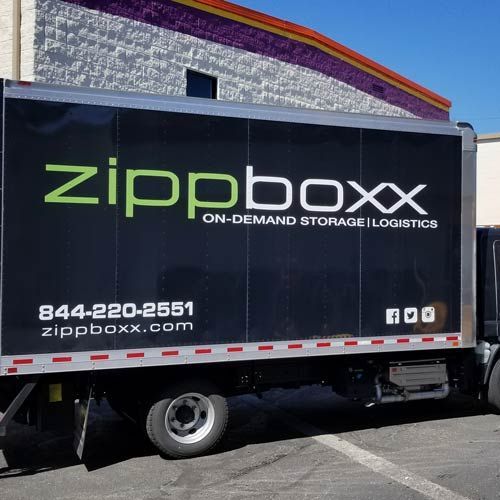
This is the model that companies like Zippboxx have built their reputation on. As a Long Island-based, full-service moving and storage company with over a decade of experience, Zippboxx provides professional packing, secure climate-controlled storage, and on-demand delivery all under one roof — with flat-rate quotes, licensed and insured movers, and a commitment to transparent, responsive service. For residents throughout New York looking for reliable moving storage solutions, Zippboxx represents exactly the kind of integrated, trustworthy partner that this guide has outlined.
Choosing the right moving and storage company is ultimately about protecting what matters most — your belongings, your budget, your time, and your peace of mind. Do the research, ask the right questions, and prioritize companies that lead with transparency, experience, and genuine accountability. When you are ready to move forward, reach out to Zippboxx to request a free estimate and discover what a truly full-service moving and storage experience feels like from the very first call.
SHARE THIS POST:
Get a Free Quote From Zippboxx
On-Demand Storage Experts
Zippboxx is much more than a team of people who love to keep you moving. We’re deeply invested in our people and our community.
Leave A Comment
Contact Zippboxx for a Free Quote
Blog - Website Form
Recent Posts


Services We Offer