How Logistics Services Can Improve Your Business Efficiency in 2026

Why Business Efficiency Starts with Smarter Logistics
In today's fast-moving commercial environment, the gap between businesses that thrive and those that merely survive often comes down to one fundamental factor: operational efficiency. And few areas of a business have as direct an impact on daily operations as logistics. Whether you're coordinating the delivery of furniture for a high-end interior design project, managing the movement of fixtures and equipment across multiple job sites, or simply trying to ensure that products arrive on time and in perfect condition, how you handle logistics shapes everything from your bottom line to your client relationships.
June 2026 finds businesses across Long Island and the greater New York metro area navigating a competitive landscape that demands precision, speed, and reliability. Supply chain awareness has grown significantly among business owners and project managers over the past several years, and companies are increasingly recognizing that outsourcing or upgrading their logistics support is not just a convenience — it's a strategic decision. When logistics run smoothly, everything else in a business tends to follow suit. When they don't, the ripple effects can be costly and difficult to reverse.
The concept of logistics extends well beyond simple transportation. At its core, logistics encompasses the planning, execution, and management of the movement and storage of goods, materials, and resources from one point to another. For businesses, this means coordinating multiple moving parts — vendors, timelines, storage facilities, delivery windows, and personnel — in a way that minimizes waste and maximizes output. Done well, logistics creates a competitive advantage. Done poorly, it becomes a persistent drain on time, money, and morale.
The Real Cost of Inefficient Logistics
It's easy to underestimate how much inefficient logistics actually costs a business. Delays in receiving materials can push back entire project timelines, causing cascading disruptions that affect contractors, clients, and revenue. Items that are improperly stored or poorly handled during transit can arrive damaged, requiring replacements that eat into profit margins. Disorganized delivery schedules force staff to wait idle or scramble to accommodate last-minute changes. These are not hypothetical scenarios — they are everyday realities for businesses that haven't invested in a structured logistics approach.
Consider the interior design industry as a clear example. Designers working on residential or commercial installations must coordinate the arrival of furniture, fixtures, and decorative elements from multiple vendors, often with tight installation windows and demanding clients. A single delayed or damaged shipment doesn't just inconvenience the designer — it can derail an entire project, damage a professional reputation, and result in financial penalties. For these professionals, having access to a reliable logistics company on Long Island that understands the specific demands of their work is not a luxury. It's a necessity.
Beyond the design industry, businesses in retail, construction, hospitality, and office management all face similar logistics challenges. The common thread is that when items need to move — from a warehouse to a worksite, from a vendor to a showroom, or from a storage facility to a final destination — the process needs to be managed with care, timing, and accountability.
How Optimized Logistics Drives Cost Savings and Operational Flow
One of the most compelling arguments for investing in professional logistics services is the potential for meaningful cost savings. While there is an upfront investment involved in partnering with a logistics provider, the efficiencies gained typically offset that cost — and often exceed it — over time. Here's how optimized logistics translates into real financial and operational benefits:
- Reduced downtime: When deliveries are coordinated and on schedule, teams can work without interruption. There's no waiting for materials that haven't arrived or scrambling to deal with unexpected delays.
- Lower damage and replacement costs: Professional logistics providers use appropriate equipment, trained personnel, and careful handling procedures to minimize the risk of damage to goods in transit or storage.
- Better use of storage space: Rather than cluttering office or job site space with incoming inventory, businesses can leverage third-party storage solutions that keep materials organized and accessible until they're needed.
- Improved vendor and client relationships: Reliable logistics means commitments are met, deadlines are honored, and clients receive a consistent, professional experience — all of which strengthen long-term business relationships.
- Scalability: A good logistics partner can scale services up or down based on your project volume, so you're not paying for capacity you don't need during slower periods or scrambling for resources during busy ones.
These advantages compound over time. A business that consistently delivers projects on schedule, within budget, and without the friction of logistics failures builds a reputation that attracts better clients and higher-value work. Conversely, a business that struggles with logistics inefficiencies often finds itself in a cycle of reactive problem-solving that prevents it from growing strategically.
Logistics Services as a Foundation for Business Growth
It's worth reframing the conversation around logistics from a cost center to a growth enabler. Many business owners think of logistics as a back-office function — something to manage rather than something to leverage. But forward-thinking companies are increasingly treating logistics as a core part of their value proposition. When a business can reliably promise clients that their orders will arrive on time, in perfect condition, and without drama, that reliability becomes a selling point in itself.
This is especially true in industries where the margin for error is slim and client expectations are high. Interior designers, FF&E project managers, hospitality operators, and commercial developers all work in environments where precision matters. For these businesses, partnering with a logistics company that understands their workflow — one that can receive, inspect, store, consolidate, and deliver items with care and coordination — directly enhances the quality of service they can offer their own clients.
Long Island businesses, in particular, operate in a market that blends the demands of New York City's pace with the logistical considerations of suburban and coastal geography. Navigating that environment effectively requires a logistics partner who knows the region, understands local infrastructure, and can adapt to the specific needs of businesses operating in and around Nassau County, Suffolk County, and the surrounding metro area.
- Faster project turnarounds: Coordinated logistics mean less time waiting and more time executing, allowing businesses to take on more projects and grow revenue.
- Professional presentation: When deliveries are handled professionally and on schedule, it reflects well on the entire business — from the client's first impression to the final walkthrough.
- Reduced administrative burden: Outsourcing logistics management frees up internal staff to focus on core business functions rather than coordinating pickups, tracking shipments, or managing storage.
- Greater flexibility: Access to a range of logistics services — including storage, consolidation, white-glove delivery, and specialty handling — means businesses can respond to varying project requirements without overhauling their internal processes.
The connection between logistics and business efficiency is not abstract. It plays out in tangible ways every day, in every industry where goods need to move from one place to another. Understanding that connection — and acting on it by partnering with the right logistics provider — is one of the most practical steps a business can take toward sustainable growth and operational excellence.
Logistics Solutions That Move Businesses Forward
Once a business recognizes the value of streamlined logistics, the next step is understanding which specific services can make the most meaningful difference. Not every operation faces the same bottlenecks, and that's precisely why a flexible, service-rich logistics partner matters. Rather than applying a one-size-fits-all approach, working with a company that offers a range of specialized solutions allows businesses to address their exact pain points — whether that's receiving and storing large furniture shipments, coordinating complex interior design project deliveries, or managing the movement of fixtures and equipment across multiple locations.
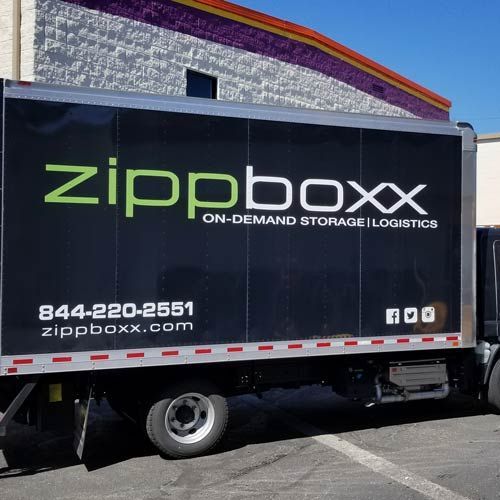
Zippboxx, based in Long Island, NY, provides logistics services designed around the kinds of challenges that interior designers, contractors, retailers, and businesses across a range of industries regularly face. Operating out of locations in Bohemia, Hauppauge, and Medford, they serve clients throughout Long Island as well as Nassau County, Suffolk County, Queens, Kings County, New York County, and Broward County. Their logistics offerings span several interconnected service areas that collectively support more efficient business operations.
A Closer Look at Specialized Logistics Services
Understanding what each logistics service actually involves helps businesses make smarter decisions about where to invest their resources. Below is a breakdown of the key logistics solutions Zippboxx offers and how each one contributes to operational efficiency:
- FF&E Logistics: Furniture, Fixtures, and Equipment logistics is a critical service for businesses undergoing renovations, buildouts, or new installations. Coordinating the delivery, staging, and placement of FF&E items across a project site requires careful scheduling and handling expertise. Errors in this process can cause project delays and damage to costly items.
- Designer Logistics: Interior designers working on residential or commercial projects often juggle multiple vendor deliveries, fragile custom pieces, and tight installation windows. Designer logistics support helps ensure that each item arrives at the right place, at the right time, and in perfect condition — reducing the administrative burden on the designer and minimizing client-facing delays.
- Furniture Logistics: Whether a business is furnishing a new office, a hospitality venue, or a retail space, furniture logistics services handle the receiving, warehousing, and final delivery of pieces that are often oversized, delicate, or high in value.
- Interior Design Logistics: This service extends beyond just moving items — it encompasses the full coordination of receiving shipments from vendors, consolidating goods at a warehouse, and delivering everything to a project site according to a precise installation schedule.
- Designer Consolidation: One of the more efficiency-focused offerings, designer consolidation allows businesses and designers to have multiple vendor shipments sent to a single warehouse location. Items are received, inspected, and held until the project is ready — then delivered together in a single coordinated trip. This eliminates the chaos of managing dozens of separate delivery windows and dramatically reduces the risk of items arriving at a job site before it's ready to receive them.
How These Services Translate to Real Business Efficiency
The connection between specialized logistics services and day-to-day business efficiency becomes clearest when you look at what happens without them. Consider an interior design firm managing a large commercial project: without a consolidation and logistics partner, the firm might spend hours each week tracking individual shipments from multiple vendors, coordinating building access for multiple delivery crews, and dealing with damaged goods that weren't properly received and inspected. Each of these issues consumes time and money that could be directed toward client work and business growth.
With a logistics partner handling receiving, warehousing, and coordinated delivery, the designer can redirect that time toward project management and client relationships. The items are inspected upon arrival at the warehouse, damage is identified before installation day, and a single delivery window is scheduled when the site is actually ready. The result is a smoother project, a better client experience, and a more profitable operation.
Similar logic applies to businesses managing FF&E installations for hotels, restaurants, or office spaces. These projects often involve tight contractor schedules where delays in one area cascade into delays across the entire project timeline. Having a logistics company that understands the sequencing and sensitivity of these deliveries helps keep projects on track.
Why Location and Coverage Matter in Logistics
Logistics efficiency isn't just about services on paper — it's also about proximity and coverage. A logistics partner with warehouse facilities and operational reach close to your project sites can respond more quickly, reduce transportation costs, and offer greater scheduling flexibility. For businesses operating across the New York metro area and beyond, having a logistics company with a strong Long Island presence and coverage extending into New York City's boroughs provides meaningful logistical advantages.
- Reduced transit times between warehouse and delivery sites
- Greater flexibility for last-minute scheduling changes
- Lower per-delivery costs due to shorter haul distances
- Easier communication and coordination with a locally based team
- Faster resolution of issues like damaged items or missed deliveries
These geographic and operational factors compound over time. Businesses that work consistently with a well-positioned logistics partner tend to build more reliable project timelines, experience fewer costly surprises, and develop smoother vendor-to-site workflows as familiarity and process alignment grow with each engagement.
The Role of Storage in Logistics Efficiency
One often-overlooked component of business logistics efficiency is storage. Many businesses and project managers face a common challenge: items arrive from vendors before the project site is ready to receive them. Without a secure, climate-appropriate storage solution, those items may be stored on-site in suboptimal conditions, increasing the risk of damage, theft, or loss. Alternatively, businesses may ask vendors to delay shipment — only to find the vendor can't accommodate the request, or that the delay triggers additional fees.
Integrated storage services solve this problem by giving businesses a reliable holding point between vendor delivery and final installation. When a logistics company offers both warehousing and delivery under the same operation, the handoff between storage and delivery becomes seamless. Items don't need to be transferred between third parties, documentation stays consistent, and scheduling is managed from a single point of contact — all of which reduce friction and improve overall project efficiency.
Taking Stock of Where Your Logistics Stand Today
Before any meaningful improvement can happen, businesses need an honest look at their current logistics operations. Whether you are managing furniture deliveries for an interior design firm, coordinating FF&E installations for a hospitality project, or simply trying to get products from a warehouse to a client site on time, the starting point is always the same: identify the gaps. Where are delays consistently occurring? Where are costs climbing without a clear reason? Which handoffs between teams or vendors tend to create confusion? Answering these questions with real data — tracking delivery windows, documenting damage incidents, and reviewing communication breakdowns — gives you a foundation to build from.
Setting clear, measurable goals is the next logical step. Vague intentions like "improve delivery times" or "reduce costs" rarely translate into action. Instead, aim for specific targets: shorten average delivery windows by a defined number of days, reduce item damage rates during transit, or eliminate redundant storage steps that add time and expense to every project. When goals are concrete, it becomes far easier to evaluate whether a logistics partner is actually moving the needle for your business.
What to Look for in a Logistics Partner
Choosing the right logistics company is one of the highest-leverage decisions a business can make. The wrong partner creates friction at every stage. The right one operates almost invisibly — items arrive on time, communications are clear, and problems are resolved before they escalate. When evaluating your options, consider the following criteria:
- Specialized experience: A logistics provider that understands the specific demands of your industry — whether that is designer consolidation, FF&E coordination, or furniture delivery — will anticipate problems that a generalist might miss entirely.
- Geographic coverage: Make sure your partner can reliably serve all the locations your projects require, from local deliveries to longer-distance coordination.
- Storage infrastructure: A logistics company with warehouse capacity gives you flexibility to receive items early, stage them properly, and deploy them on your schedule rather than a vendor's.
- Communication and tracking: Visibility into where items are and what stage they are at is non-negotiable for any project-based business. Your logistics partner should make this easy, not something you have to chase down.
- Handling standards: For high-value furnishings, art, and specialty items, the ability to protect goods during transit and storage is just as important as speed.
Collaborating With Zippboxx for Tailored Logistics Solutions
One of the advantages of working with a logistics company that serves a specific region and a specific set of industries is the ability to build a genuinely collaborative relationship rather than a purely transactional one. Zippboxx, based on Long Island and serving the greater New York area, offers logistics services designed around the realities of design, commercial, and residential projects in this market. From designer logistics and FF&E coordination to furniture logistics and interior design support, the scope of services is built to address the layered complexity that these projects routinely involve.
When you begin working with a logistics partner like Zippboxx, the onboarding process matters. Come prepared with a clear picture of your typical project types, your most common pain points, your preferred communication style, and any non-negotiables around timing or handling. The more context a logistics partner has upfront, the better they can tailor their approach to fit your workflow rather than forcing your workflow to fit theirs. This kind of alignment at the start of a relationship pays dividends across every project that follows.
The Long-Term Business Case for Investing in Logistics
It is tempting to treat logistics as a line item to be minimized rather than a capability to be invested in. But the businesses that consistently outperform their competitors in project-based industries tend to share one characteristic: their logistics are a strength, not a liability. When deliveries are reliable, project timelines hold. When items are handled correctly, rework and replacement costs disappear. When communication is clear, client relationships stay intact even when unexpected complications arise.
The downstream effects of better logistics are significant. Consider what becomes possible when your team is no longer spending hours tracking down delayed shipments or managing damage claims. That time and energy redirects to client work, business development, and the kind of high-value activity that actually grows a firm. Logistics efficiency is, in this sense, a multiplier — it makes everything else in your operation work better.
As we move through the summer of 2026, with project pipelines remaining active and client expectations continuing to rise, the businesses that treat logistics as a strategic priority will be better positioned than those that do not. The investment required to get logistics right is real, but it is consistently smaller than the cost of getting it wrong.
- Reduced project delays translate directly into stronger client relationships and repeat business.
- Lower damage and loss rates protect margins and reduce the administrative burden of claims and replacements.
- Streamlined storage and staging give project teams more flexibility and control over installation timelines.
- Clearer communication across the supply chain means fewer surprises and more confident decision-making at every stage.
Ready to Strengthen Your Logistics Operations?
If your current logistics setup is creating friction rather than removing it, now is the right time to explore a better approach. Zippboxx works with businesses across Long Island and the broader New York area to provide logistics solutions that are reliable, professionally handled, and built around the specific demands of your projects. Whether you need ongoing logistics support or help with a single complex delivery, the team is ready to help you find the right fit. Reach out today to request a free quote and start a conversation about how smarter logistics can move your business forward.
SHARE THIS POST:
Get a Free Quote From Zippboxx
On-Demand Storage Experts
Zippboxx is much more than a team of people who love to keep you moving. We’re deeply invested in our people and our community.
Leave A Comment
Contact Zippboxx for a Free Quote
Blog - Website Form
Recent Posts


Services We Offer