Certificate of Insurance for Apartment Building Moves: What Renters Need to Know

If you have ever tried to schedule a move into or out of an apartment building in New York City or on Long Island, you have likely encountered a requirement that caught you off guard: the building management asking for a certificate of insurance before allowing any moving truck near the property. This document, commonly called a COI, is not optional in most cases. It is a standard requirement across countless residential apartment buildings, co-ops, and condominiums in the greater New York area, and failing to provide one can bring your entire moving day to a halt before it even begins.
Understanding what a certificate of insurance is, why buildings require it, and how to make sure your moving company can provide one is one of the most practical things you can do before your move date arrives. Whether you are a renter relocating to a new apartment, a busy professional coordinating a local move, or a family transitioning to a larger space, navigating the COI process smoothly can make the difference between a seamless move and a stressful, delayed one. This guide walks you through everything you need to know so you are fully prepared.
What a Certificate of Insurance Actually Is and Why Buildings Require It
A certificate of insurance is a document issued by an insurance provider that serves as proof that a moving company carries active liability insurance coverage. It summarizes the key details of the policy, including the types of coverage, the coverage limits, and the policy's effective dates. For apartment building moves specifically, the COI is typically required by the building's management company, co-op board, or property owner before any moving crew is permitted to bring equipment, dollies, or furniture through the building's common areas.
The reason buildings require this document is straightforward: moving involves physical activity in shared spaces. Elevators, hallways, lobbies, and stairwells are all areas that belong to the building and can be damaged during a move. If a heavy piece of furniture scratches a marble lobby floor or a moving dolly dents a hallway wall, the building wants assurance that the responsible party - the moving company - carries insurance to cover those damages. Without a COI, the building has no way of verifying that the mover is insured, and that creates financial risk for the property and its management.
In the New York metro area and on Long Island, this requirement has become essentially universal among mid-rise and high-rise residential buildings. Even many smaller walk-up buildings and newer rental complexes now request a COI as part of their standard move-in and move-out procedures. If your building requires one and your mover cannot provide it, you may be denied access entirely on moving day.
What Building Management Typically Asks for in a COI
Not all certificates of insurance are the same. Buildings often have specific requirements about what the COI must include, and it is important to understand what your building is asking for before you assume your moving company's standard documentation will be accepted. Here are the elements that building managers commonly request:
- The moving company must be listed as the insured party on the certificate.
- The building's management company, the building owner, or both are typically required to be listed as "additional insureds" on the policy - meaning they receive the same protections under the policy as the moving company itself.
- The certificate must show general liability coverage, which protects against property damage and bodily injury in common areas.
- Some buildings also require workers' compensation coverage to be listed, confirming that the movers working in the building are covered if they are injured on the job.
- The coverage must be active and valid on the specific date of your move.
- Many buildings require the COI to be submitted several days or even a week in advance, not on the morning of the move.
Every building has its own process, and the requirements can vary significantly. Some management companies will email you a COI request form that lists exactly what they need and how to submit it. Others may require you to coordinate directly between your moving company and the building's management office. The key takeaway here is that you should contact your building management early in the planning process - ideally at the same time you are booking your movers - so you have enough time to gather and submit the correct documentation.
How to Make Sure Your Moving Company Can Provide the Right COI
Once you understand what your building needs, the next step is confirming that your moving company is equipped to deliver it. This is not something to leave until the last minute. Here is a practical approach to making sure the COI process goes smoothly on your end.
First, ask your moving company directly whether they provide certificates of insurance as part of their apartment moving services. A reputable, professional moving company should answer yes without hesitation. This is a standard expectation in the industry, particularly for companies that serve the New York City and Long Island markets where apartment building moves are common.
Second, find out how the company handles the process. Some moving companies have an in-house process for generating and issuing COIs, which makes the turnaround faster. Others work through their insurance broker, which can take a bit more time. Knowing the timeline helps you plan accordingly so the COI reaches your building management before their submission deadline.
Third, provide your moving company with the exact details the building has requested. This typically includes the full legal name of the building management company or owner that needs to be listed as an additional insured, the building's address, and any specific coverage minimums the building has specified. Giving your mover complete and accurate information upfront prevents back-and-forth delays that can push the submission past your building's deadline.
Fourth, follow up. Once your moving company says the COI has been sent to the building, check with your building management to confirm receipt and approval. Do not assume that because the document was sent, it has been reviewed and accepted. Buildings receive a high volume of paperwork, and a quick follow-up call or email can prevent a last-minute surprise on moving day.
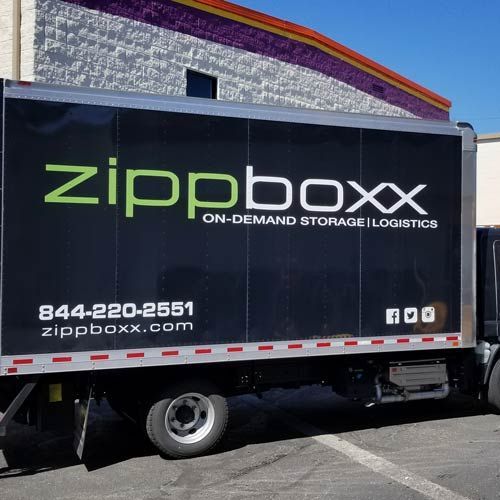
Working with Zippboxx apartment movers means working with a team that is experienced in handling exactly this kind of coordination. Zippboxx provides certificates of insurance tailored to meet the specific requirements of apartment buildings at both pickup and delivery locations, taking this administrative burden off your plate so you can focus on the move itself.
Common COI Mistakes That Can Derail Your Moving Day
Even renters and building residents who are aware of the COI requirement sometimes run into problems because of avoidable mistakes. Understanding what can go wrong is the best way to make sure it does not happen to you.
One of the most common issues is hiring a moving company that does not carry proper insurance coverage at all. Some lower-cost movers operating in the area are either uninsured or underinsured, which means they cannot produce a valid COI no matter what. When this happens on or near moving day, the renter is left scrambling to find a new mover on short notice - a stressful and costly situation. Always verify that any moving company you are considering is fully insured before you book.
Another frequent mistake is submitting the COI too late. Many apartment buildings, particularly in Manhattan and throughout Long Island's larger residential complexes, require the COI to be submitted and approved at least five to seven business days before your scheduled move. If you wait until two or three days before your move to start this process, you may not have enough time to meet the building's requirements.
A third issue involves incorrect or incomplete information on the certificate. If the wrong entity is listed as the additional insured, or if the coverage dates do not align with your move date, the building management will reject the COI and require a corrected version. This creates delays and added stress. Double-checking all the details before the certificate is submitted is a small step that saves a significant amount of trouble.
Finally, some renters forget that a COI may be required at both the origin and destination buildings. If you are moving out of one apartment building and into another, both locations may have their own COI requirements. Working with a moving company that is familiar with this dual-building dynamic ensures both sets of requirements are met without additional coordination on your part.
- Always verify your mover is fully insured before booking.
- Contact your building management early to get their specific COI requirements in writing.
- Provide your moving company with complete additional insured information right away.
- Confirm that the coverage dates on the COI match your actual move date.
- Follow up with your building to confirm the COI has been received and approved.
- Remember that both your origin and destination buildings may require separate COIs.
Why Choosing an Experienced Apartment Moving Company Makes All the Difference
The COI process is just one of several logistical challenges that come with apartment building moves in the New York area. Beyond the paperwork, there are elevator reservations to coordinate, parking logistics to manage in busy urban or suburban environments, narrow hallways and staircases to navigate, and building-specific rules about what hours movers are permitted to operate. All of these layers of complexity add up quickly, and they are exactly why the choice of moving company matters so much for apartment moves.
An experienced apartment mover understands that the job is not just about loading and unloading a truck. It is about navigating building relationships, communicating proactively with management offices, protecting shared spaces throughout the process, and handling the kind of tight-space maneuvering that requires skill and care. Movers who lack experience in apartment buildings often underestimate these demands, which leads to delays, damage, and frustration.
Zippboxx has completed over 2,500 moves and has more than ten years of experience serving Long Island and the broader New York City area. The team works directly with building management to comply with all moving day rules and requirements, handles COI coordination at both pickup and delivery locations, takes extra care to protect walls, floors, and shared building areas, and manages parking logistics so the move proceeds without unnecessary interruptions. For renters, professionals, families, and anyone navigating the particular demands of apartment building moves in this region, that level of experience and coordination is genuinely valuable.
Moving into or out of an apartment building should not feel like a bureaucratic obstacle course. With the right moving partner handling the details - including the certificate of insurance - the process becomes far more manageable. If you are planning an apartment move on Long Island or in the New York City area and want to work with a team that understands every layer of what building moves require, reach out to Zippboxx today to discuss your move and request a quote.
SHARE THIS POST:
Get a Free Quote From Zippboxx
On-Demand Storage Experts
Zippboxx is much more than a team of people who love to keep you moving. We’re deeply invested in our people and our community.
Leave A Comment
Contact Zippboxx for a Free Quote
Blog - Website Form
Recent Posts


Services We Offer