How to Coordinate Multiple Furniture Deliveries for Design Projects

If you have ever managed a large interior design project, you already know that the furniture delivery phase can quickly become one of the most stressful parts of the entire process. Items arrive from different vendors on different schedules, some pieces get delayed, others show up earlier than expected, and suddenly your carefully planned installation day turns into a logistical puzzle. Coordinating multiple furniture deliveries for design projects requires far more than just keeping a spreadsheet. It demands strategic planning, clear communication, reliable storage solutions, and a logistics partner who understands the unique demands of the design industry. Whether you are outfitting a single-family home on Long Island or staging a large commercial space in New York City, the principles that make multi-vendor furniture coordination successful are the same - and mastering them can be the difference between a smooth client reveal and a costly, embarrassing delay.
Fall is actually one of the busiest seasons for interior design project completions. Clients want their spaces finished before the holidays, which means designers are racing to get everything delivered, assembled, and styled within tight windows. This added pressure makes it even more important to have a reliable system in place well before the first truck pulls up to the job site. The good news is that with the right approach, coordinating complex deliveries does not have to feel overwhelming. This guide will walk you through the practical steps that professional designers use to keep multi-vendor furniture projects on track from procurement to final placement.
Building a Realistic Delivery Master Schedule Before Anything Ships
The foundation of any successful multi-delivery project is a master schedule that reflects reality, not optimism. Too many designers create timelines based on vendor estimated ship dates without accounting for the inevitable delays that happen during manufacturing, transit, or customs clearance. When you are pulling furniture from multiple vendors - some domestic, some international - the chance that every single piece arrives exactly on time is extremely low. Building a master schedule means collecting confirmed lead times from every vendor, mapping out dependencies between items, and identifying which pieces are absolutely critical for installation day versus which ones can follow later.
Start by categorizing your pieces into tiers. Tier one includes large structural items like sofas, beds, dining tables, and case goods that need to be placed before smaller accessories can be arranged around them. Tier two covers accent chairs, side tables, and rugs. Tier three handles accessories, art, and decorative objects. When you sequence your deliveries by tier rather than simply by arrival date, you give yourself a logical installation order that makes sense even if one or two pieces arrive late. This approach also helps your installation crew work more efficiently because they are not moving smaller items out of the way to bring in a large sectional that should have come first.
Your master schedule should include the following for every single item on the project:
- Vendor name and contact information for the shipping department
- Purchase order number and item description
- Confirmed ship date and estimated arrival date
- Dimensions and weight, especially for oversized pieces
- Special handling requirements such as white glove delivery or crating
- Destination - whether the item goes directly to the job site or into staging storage first
- Assembly requirements and estimated time needed
Reviewing this schedule weekly as the project progresses allows you to catch problems early. If a vendor suddenly shifts a ship date back by three weeks, you can adjust your installation timeline before the client has already blocked off the date on their calendar. Proactive communication with your client about realistic timelines builds trust and protects your professional reputation.
Why Designer Consolidation Services Are a Game Changer for Complex Projects
One of the smartest strategies professional designers use to manage multi-vendor deliveries is consolidation. Instead of having ten different vendors ship directly to the job site on ten different days, you route everything through a single receiving point where items are inspected, stored, and then delivered together in a single coordinated installation. This approach dramatically reduces the chaos at the job site and gives you far better control over the condition of every piece before it reaches your client.
Designer consolidation works like this: as your furniture orders ship from various vendors, they are all directed to a central warehouse or receiving facility. When each piece arrives, it is inspected for damage, checked against your purchase order, and stored securely until the full order - or enough of it - is ready for delivery to the job site. At that point, everything moves together in one carefully organized truck, and your installation crew can work through the space in a logical sequence without waiting for stragglers.
The benefits of this approach go beyond convenience. Receiving everything through one point means you catch freight damage before it becomes your problem at the job site. Discovering a damaged piece at the warehouse gives you time to file a freight claim, reorder the item, or source a replacement before installation day. Discovering it in front of your client is a completely different and far more stressful experience. Consolidation also eliminates the need to have someone present at the job site on multiple separate delivery days, which is a significant time and cost savings over the course of a project.
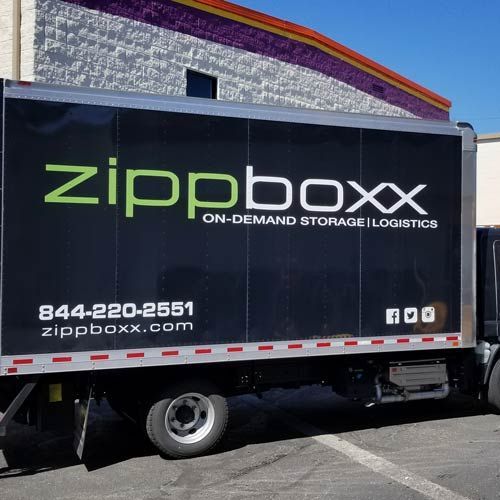
Zippboxx offers designer consolidation services specifically designed for interior design projects in the Long Island and greater New York area. Their logistics team understands the unique needs of designers and can serve as the central receiving point for your furniture orders, keeping everything organized and protected until you are ready for the final delivery push. You can learn more about their logistics services at https://www.zippboxx.com/logistics.
Communicating With Vendors, Clients, and Installation Teams Effectively
Even the most detailed master schedule will fall apart if communication between all the parties involved breaks down. Coordinating multiple furniture deliveries means you are essentially managing a small supply chain, and clear communication at every link in that chain is what keeps things moving smoothly. This section covers the three main communication relationships you need to manage throughout a design project delivery phase.
Your vendor relationships are the starting point. Once purchase orders are placed, establish a habit of checking in with each vendor's shipping department regularly - not just when something seems wrong. Ask for tracking information as soon as items ship. Confirm delivery appointments in advance. If a vendor uses a third-party freight carrier for large items, get the carrier's contact information directly so you can track shipments independently. Many freight delays happen because no one followed up until a delivery window was missed.
With your clients, the goal is to set accurate expectations from the very beginning of the project. Explain that multi-vendor projects naturally involve some variability in delivery timing, and that you are managing a consolidation process specifically to give them the best possible installation experience. Clients who understand why you are using a receiving warehouse rather than scheduling direct deliveries are far more likely to be patient when adjustments are needed. Provide regular updates as pieces arrive and are confirmed in good condition. This kind of transparency reinforces your value as a designer.
Your installation team is the third critical communication relationship. Brief your crew well in advance about the scope of the installation, the sequence of placement, any items that require special handling, and anything that is still outstanding at the time of install. Good installers can work around a missing accent chair, but they cannot adapt if they show up expecting to install a full bedroom suite and nobody told them the bed frame requires two hours of assembly. The more information your team has going in, the more efficiently they will execute.
Some practical communication habits that experienced designers swear by include:
- Creating a shared project folder or digital workspace where all vendor contacts, POs, and tracking numbers are accessible to your team
- Sending a written recap after any verbal conversation that involves a date, quantity, or delivery commitment
- Establishing a single point of contact at your logistics partner's warehouse so you always know who to call
- Sending clients a brief weekly update during the delivery phase even if there is nothing new to report - silence creates anxiety
- Preparing a printed or digital placement guide for your installation crew that shows where each piece goes in each room
Managing Furniture Storage and Handling Between Delivery and Installation
One reality of coordinating multi-vendor furniture deliveries is that not everything can go straight to the job site the moment it arrives. Construction delays, client schedule changes, and staggered vendor ship dates all create gaps between when furniture arrives and when it can actually be installed. Having a plan for safe, climate-appropriate furniture storage during this in-between period is essential to protecting your investment and your client's pieces.
Not all storage is created equal when it comes to furniture. Consumer-grade self-storage units are rarely appropriate for high-end furnishings because they offer no climate control, no specialized racking, and no handling support. Items stored in spaces with significant temperature and humidity swings can warp, crack, or develop mold issues over time, especially wood pieces and upholstered goods. For design projects, you want a storage solution that keeps pieces protected, organized, and accessible when you need them.
When evaluating a storage solution for your design project, look for these qualities:
- Climate-controlled environment to protect wood, fabric, and leather pieces
- Proper padding, wrapping, and racking to prevent scratches and compression damage
- Inventory management so you always know exactly what is on hand and what is still in transit
- Flexibility to receive new shipments and release items for delivery on a schedule that works for your project
- A team that handles furniture with care and understands the value of designer pieces
Zippboxx provides storage services alongside their logistics offerings, which means designers working in the Long Island and New York market can use them as both the receiving warehouse and the storage facility for their project pieces. Having everything in one location under one team's care simplifies the coordination process considerably and reduces the risk of items being misplaced or damaged during transfers between multiple facilities.
It is also worth thinking carefully about the timing of your storage releases. Rather than scheduling delivery of every stored item in a single day if the installation genuinely requires a phased approach, work with your logistics partner to stage releases in a sequence that matches your installation plan. Releasing tier one pieces first, confirming their placement, and then bringing in tier two items gives your installation crew a more workable pace and reduces the chance of pieces being scratched or damaged because the site was overcrowded with furniture.
Turning Logistics Complexity Into a Competitive Advantage as a Designer
Here is a perspective shift that many experienced designers have embraced over the years: the ability to execute complex, multi-vendor deliveries flawlessly is not just an operational skill - it is a genuine competitive differentiator. Clients who have worked with designers before know that the delivery and installation phase is where things often go wrong. When they encounter a designer who has a clear, professional system for managing this phase, it builds confidence and justifies premium pricing. Your logistics capability is part of your design service, and it deserves to be communicated as such.
When you present a project proposal to a prospective client, consider walking them through your delivery coordination process as part of your pitch. Explain that you work with a professional logistics partner, that all items are received and inspected before they ever reach the job site, and that you stage everything for a coordinated installation day rather than a series of disruptive individual deliveries. This level of professional organization is something many independent designers cannot offer, and it is a compelling reason for clients to choose you.
As you build your relationships with logistics partners who specialize in designer needs - including services like designer consolidation, furniture logistics, and interior design logistics - you also gain access to their expertise and networks. A good logistics partner can alert you to common freight damage patterns with specific carriers, help you plan delivery access at challenging job sites, and provide documentation support for insurance claims when damage does occur. These are resources that make you a better, more protected designer over time.
The fall season, with its compressed holiday timelines and high client expectations, is actually a great time to refine your delivery coordination process. If you find yourself juggling multiple projects with overlapping delivery windows right now, use this moment to evaluate what is working and what needs improvement. Are you catching freight damage before it reaches the job site? Are your installation days running smoothly, or are crews waiting on pieces that were not properly staged? Are your clients getting proactive communication, or are they calling you to ask for updates? The answers to these questions will show you exactly where to focus your process improvements.
Working with a logistics partner who understands the specific demands of interior design projects can resolve many of these pain points quickly. If you are based in Long Island or the broader New York area and looking for a logistics team that offers designer consolidation, furniture logistics, and storage services tailored to design professionals, Zippboxx is worth a conversation. Their team has the experience and infrastructure to serve as the operational backbone of your project delivery process, so you can focus on the creative work that your clients actually hired you for.
Coordinating multiple furniture deliveries for design projects will never be entirely without challenges - that is simply the nature of managing complex supply chains across multiple vendors. But with a solid master schedule, a consolidation and storage strategy, clear communication habits, and the right logistics partner in your corner, you can execute deliveries with a level of professionalism that sets your design business apart. Your clients will notice the difference, and so will your bottom line. Reach out to Zippboxx today to learn how their logistics services can support your next design project from first shipment to final placement.
SHARE THIS POST:
Get a Free Quote From Zippboxx
On-Demand Storage Experts
Zippboxx is much more than a team of people who love to keep you moving. We’re deeply invested in our people and our community.
Leave A Comment
Contact Zippboxx for a Free Quote
Blog - Website Form
Recent Posts


Services We Offer