How to Prepare for a Long Distance Move from Long Island

Making the decision to leave Long Island is a big one. Whether you are relocating for a new job, moving closer to family, downsizing in retirement, or simply ready for a change of scenery, a long distance move comes with a unique set of challenges that a local move simply does not. The distances are greater, the logistics are more complex, and the margin for error is smaller. That is why preparation is everything. The more organized and intentional you are in the weeks and months leading up to moving day, the smoother the entire experience will be from start to finish.
Long Island residents face a few specific considerations when planning a long distance move. Traffic patterns, storage access, building regulations in certain communities, and the sheer density of neighborhoods can all add layers of complexity to what might seem like a straightforward process. Add to that the emotional weight of leaving a place you have called home, and it becomes clear that having a solid plan and the right team behind you makes an enormous difference. This guide walks you through everything you need to know to prepare for a long distance move from Long Island, so you can arrive at your destination with confidence and peace of mind.
Start Planning Earlier Than You Think You Need To
One of the most common mistakes people make when preparing for a long distance move is underestimating how much time the process actually requires. Unlike a local move where you might be able to pull things together in a couple of weeks, a long distance relocation demands a much longer runway. Giving yourself at least eight to twelve weeks of preparation time is a reasonable goal, though more time is always better if your schedule allows for it.
Begin by creating a master moving checklist. This should cover every category of task you need to complete, from sorting through belongings and gathering packing supplies to notifying service providers and updating your address with important institutions. Breaking everything down into smaller, manageable tasks and assigning rough timelines to each one will keep you from feeling overwhelmed as moving day approaches.
Booking your moving company early is also critical. Long distance movers with strong reputations and reliable track records tend to fill their schedules quickly. If you wait until the last few weeks before your move, you may find limited availability or be forced to work with a team that does not meet your standards. Securing your moving date well in advance gives you one less major item to worry about and allows you to build the rest of your planning around a confirmed timeline.
As you plan, make sure to account for the specific logistical realities of moving from Long Island. If you live in a densely populated area, think about parking access for a large moving truck, whether your building or neighborhood has any rules about moving hours, and how traffic on major corridors might affect your moving day schedule. Flagging these details early allows your moving team to plan accordingly and avoid unnecessary delays.
Declutter and Organize Before You Pack a Single Box
A long distance move is one of the most effective catalysts for decluttering that most people will ever experience. Because long distance moving costs are influenced by the volume and weight of your belongings, every item you choose not to bring with you can translate into a more efficient and streamlined move. More importantly, arriving at your new home with only the things you truly need and love makes settling in a far more pleasant experience.
Go through every room in your home and make deliberate decisions about what to keep, donate, sell, or discard. Take your time with this process. It is easy to rush through a closet and toss everything into a box, only to unpack it weeks later at your new address and wonder why you bothered bringing it. Categories that often yield the most decluttering opportunities include clothing, kitchen items, books, electronics, furniture that may not suit your new space, and items that have been sitting in storage untouched for years.
For furniture and larger items, consider whether the pieces you own will actually work in your new home. If you are moving to a smaller space, bringing oversized furniture will only create problems on the other end. For specialty or high-value items like antiques or pianos, make note of these early so you can communicate them clearly to your moving team. These types of items require specific handling expertise and should never be treated as an afterthought.
Once you have worked through the decluttering process, take an inventory of everything you plan to move. A detailed inventory list serves multiple purposes. It helps you communicate the scope of your move to your movers accurately, it makes unpacking more organized, and it gives you a reference point if you ever need to account for specific items during or after the move.
Packing Smart for a Long Distance Journey
Packing for a long distance move is fundamentally different from packing for a local one. When your belongings are going to be loaded onto a truck and transported over hundreds or even thousands of miles, the way they are packed matters significantly more. Items that might survive a short local haul with minimal protection can shift, break, or sustain damage on a longer journey if they are not packed with care.
Use high-quality packing materials throughout the process. Sturdy boxes, proper padding, bubble wrap, and quality tape make a real difference in how well your belongings arrive. Avoid using old or damaged boxes that may collapse under weight during transit. If you are packing items yourself, make sure to fill any empty space within boxes so that contents cannot shift around during the drive.
Label every box clearly on multiple sides. Include both the contents and the destination room so that unloading and unpacking at your new home is as efficient as possible. Color-coding boxes by room is a simple system that pays dividends when you are trying to direct a moving crew at the other end of a long journey.
Fragile items deserve special attention. Wrap each piece individually, use dividers for glassware, and mark boxes containing breakables clearly so they can be handled with appropriate care. For particularly valuable or sentimental items, you may want to consider transporting them personally rather than including them in the moving truck.
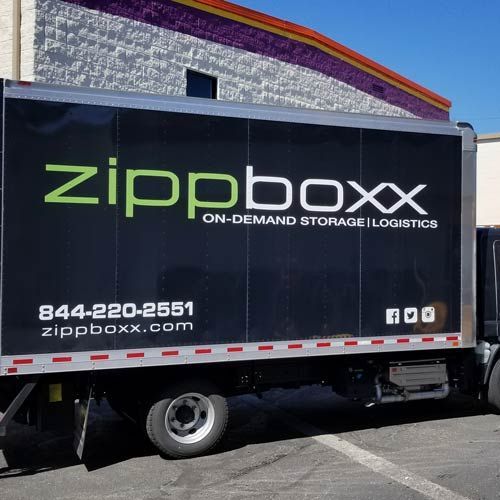
If the idea of tackling all of this packing on your own feels daunting, professional packing services are worth serious consideration. Working with a moving company like Zippboxx means you have access to a team that packs your belongings professionally, using the right materials and techniques to ensure everything travels safely. Having professionals handle the packing also frees up significant time and energy that you can direct toward the countless other tasks on your moving checklist.
Choosing the Right Long Distance Moving Company From Long Island
Not all moving companies are created equal, and the stakes are higher with a long distance move than with a local one. Your belongings will be in the care of your moving team for an extended period of time, and you need to trust that the company you hire has the experience, equipment, and professionalism to handle the job properly. Choosing the right long distance movers is one of the most important decisions in the entire process.
When evaluating moving companies, there are several key factors worth considering:
- Verify that the company is fully licensed and insured. This is non-negotiable for any reputable long distance mover.
- Look at the company's experience with long distance moves specifically, not just local relocations.
- Ask about the services included in their offering, such as packing, unpacking, specialty item handling, and door-to-door service.
- Read reviews and look for consistent patterns in customer feedback around punctuality, communication, and care of belongings.
- Get a clear understanding of how pricing works and what factors influence your final cost.
- Ask whether the company offers tracking so you can stay informed about the status of your move.
Zippboxx has completed over 2,500 moves and brings more than ten years of experience to every relocation. Their team offers professional packing and unpacking, secure transportation, door-to-door service, and specialty item handling, all with transparent pricing and a customer-focused approach. For Long Island residents planning a long distance move, having a team with this level of experience and a proven track record is an asset that is hard to overstate.
When you speak with any moving company, pay attention to how they communicate. Are they responsive and clear in answering your questions? Do they take the time to understand the specifics of your move rather than offering a one-size-fits-all approach? A company that listens carefully and tailors its services to your specific needs is far more likely to deliver a positive experience than one that treats every job as routine.
Handling the Administrative Side of Your Long Island Relocation
The physical act of moving your belongings is only part of what a long distance relocation involves. There is a substantial administrative component to the process that deserves just as much attention and planning. Overlooking these tasks can lead to disruptions, missed communications, and unnecessary stress in the weeks and months following your move.
Start by making a comprehensive list of every organization, institution, and service provider that needs to be informed of your address change. This typically includes:
- The United States Postal Service, to set up mail forwarding from your Long Island address
- Your bank and financial institutions
- Credit card companies and loan servicers
- Your employer and any professional organizations you belong to
- Healthcare providers including doctors, dentists, and specialists
- Insurance providers for health, auto, home, and any other policies you carry
- Subscription services and online retailers you use regularly
- Government agencies including the DMV, IRS, and Social Security Administration if applicable
- Your children's schools, if you have children
- Utility providers at both your current and new addresses
Setting up utilities at your new home before you arrive is especially important for a long distance move. You do not want to arrive after a long journey to find that your electricity, water, or internet has not been connected. Contact providers in your destination area well ahead of your move date to schedule connections and ensure everything is active when you walk through the door.
If you own a home on Long Island, your move will also involve coordinating closing timelines, handing over keys, and potentially overlapping with the settlement of a new property purchase. If you are renting, make sure you understand your lease termination requirements and give proper notice to your landlord. Handling these details cleanly will protect your security deposit and your credit history.
Taking care of the administrative side of your move with the same diligence you apply to the physical packing and logistics will make the transition to your new home considerably smoother. The goal is to arrive at your destination with as few loose ends as possible so you can focus on settling in and moving forward.
Making Your Moving Day Go as Smoothly as Possible
After weeks of preparation, moving day itself can feel like an enormous undertaking even when everything has been planned carefully. Having a clear strategy for the day will help you stay calm and keep things moving in the right direction.
Prepare an essentials bag or box that travels with you personally rather than on the moving truck. This should contain everything you will need immediate access to in the first day or two at your new home, including medications, important documents, phone chargers, a change of clothes, toiletries, keys, and any valuables you want to keep close. Having these items readily accessible means you will not be tearing through boxes looking for critical items after a long day of travel.
On moving day, do a thorough walkthrough of your Long Island home before the truck departs. Check every room, closet, cabinet, garage space, and outdoor area to make sure nothing has been left behind. It is worth taking your time with this step, as retrieving forgotten items from a long distance is significantly more complicated than from a local address.
Communicate clearly with your moving team throughout the day. If you have specific instructions about how certain items should be handled or where they should be placed at your new home, share those details upfront. The more information your movers have, the more efficiently they can work and the more likely you are to be satisfied with the result.
When you arrive at your new home, take a moment to walk through the space with your moving crew before they begin unloading. Pointing out where furniture should go in each room will save considerable time and prevent heavy pieces from needing to be repositioned multiple times. If you have unpacking services booked, make sure your labeled boxes and your room layout communicate clearly so the team can work efficiently without needing to interrupt you constantly for direction.
A long distance move from Long Island is a significant undertaking, but with thorough preparation, the right professional support, and a clear plan from start to finish, it is entirely manageable. The key is to start early, stay organized, make thoughtful decisions about what to bring and how to pack it, and partner with a moving team that has the experience and resources to execute the job well.
If you are ready to start planning your long distance move from Long Island, reach out to Zippboxx to discuss your needs and get a quote. Their team is ready to help you navigate every step of the process with professionalism, care, and the kind of attention to detail that makes a complicated move feel straightforward.
SHARE THIS POST:
Get a Free Quote From Zippboxx
On-Demand Storage Experts
Zippboxx is much more than a team of people who love to keep you moving. We’re deeply invested in our people and our community.
Leave A Comment
Contact Zippboxx for a Free Quote
Blog - Website Form
Recent Posts


Services We Offer