What Items Are Not Allowed in Moving Storage? A Clear Guide for Safer Packing

When people ask what items are not allowed in moving storage, the real goal is usually bigger than a packing rule. They want to avoid delays, damaged belongings, safety issues, and surprise problems on moving day. The short answer is that most moving storage providers restrict anything hazardous, perishable, illegal, or likely to leak, spoil, ignite, or attract pests. The exact list can vary by company, facility, and local regulations, so it is always smart to confirm the rules before boxes are sealed and loaded.
That matters because moving storage is not the same as setting a few bins in a spare room. Items may be packed tightly, handled by movers, transported by truck, and stored for days, weeks, or longer. A single leaking chemical bottle, unemptied fuel tank, or bag of food can create odors, stains, fire risk, or contamination. Knowing the common no-go categories ahead of time helps you pack faster, protect the rest of your belongings, and choose safer alternatives before moving day arrives.
Common items that are usually prohibited from moving storage
- Flammable liquids and fuels such as gasoline, kerosene, lighter fluid, and diesel.
- Explosives or ignition risks, including fireworks and similar combustible items.
- Compressed gases such as propane tanks and certain pressurized cylinders.
- Hazardous household chemicals, including paint thinner, solvents, pesticides, and pool chemicals.
- Perishable food that can spoil, leak, or attract insects and rodents.
- Illegal substances or stolen property.
- Wet, moldy, or pest-infested items that could damage nearby belongings.
Even when an item seems harmless at home, it may become a problem in storage if temperature changes, time, or movement cause it to expand, spoil, or leak. That is why many providers ask customers to empty lawn equipment of fuel, remove propane tanks from grills, and avoid packing open liquids with household goods. It is also worth remembering that transport rules and storage rules are not always identical. An item might be difficult to move, unsafe to store, or both, so asking specific questions in advance can save a lot of last-minute repacking.
Items that are usually better kept with you
- Passports, birth certificates, insurance papers, and other essential documents.
- Prescription medications, medical devices you use daily, and basic personal necessities.
- Cash, jewelry, heirlooms, and small valuables with high financial or sentimental value.
- Laptops, external drives, and sensitive records you may need immediate access to.
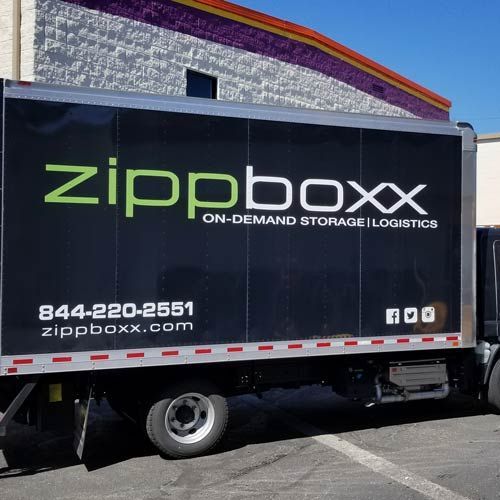
If you are comparing full-service options in New York, Zippboxx's moving storage service states that it offers door-to-door pickup, professional packing, secure climate-controlled storage, and on-demand delivery through one provider. The company also notes licensed and insured service, free in-home estimates, and flat-rate quotes. Because the source content does not list a detailed prohibited-items policy, the safest next step is to confirm any questionable items directly before packing them.
A simple pre-move sort can prevent delays: make one pile for approved storage items, one for things that must stay with you, one for donations, and one for proper disposal through a local hazardous-waste or recycling program when needed. That small step makes moving storage cleaner, safer, and much easier to manage from the start.
A moving timeline rarely lines up perfectly. Closings get delayed, lease dates overlap, renovations run long, and sometimes you simply need your belongings out of the way before your next space is ready. That is where a combined moving-and-storage service can make the process easier, because pickup, transport, storage, and return delivery are handled as one workflow instead of being split between multiple vendors.
On its moving storage page, Zippboxx describes a service that includes professional movers, packing and loading, secure climate-controlled storage, and on-demand delivery when you are ready to receive your items again. The company also states that it provides flat-rate quotes and free in-home estimates, which can help when you are trying to budget for a move with uncertain dates.
What items are not allowed in moving storage?
This is one of the most important questions to ask before packing a single box. Exact rules can vary by company and facility, but there are several categories that are commonly restricted because they create safety, sanitation, or legal issues. In general, moving storage is meant for household goods, furniture, boxed personal items, and similar dry goods that can be stored safely over time.
- Flammable or explosive materials such as gasoline, propane tanks, lighter fluid, fireworks, and some solvents
- Hazardous chemicals including paint thinners, certain cleaning agents, pesticides, pool chemicals, and similar corrosive or toxic products
- Perishable food that can spoil, leak, attract pests, or create odors
- Living things, including pets and plants
- Illegal items, stolen property, or anything prohibited by law
- Items that are especially sensitive to uncontrolled handling, such as certain high-value documents, cash, or irreplaceable personal records, unless the provider specifically approves and you have documented a plan for them
Even when a facility is climate-controlled, that does not automatically mean every item is suitable for storage. Temperature control helps protect many common belongings, but it does not override restrictions on dangerous goods. If you are unsure about paint cans, batteries, fuel-powered equipment, or specialty items, ask for written guidance before move day.
How to prepare items before they go into storage
Good preparation reduces the chance of damage and makes delivery much easier later. This matters even more if you may need only part of your shipment returned first and the rest at a later date.
- Clean and fully dry furniture, appliances, and containers before packing
- Use sturdy boxes and label each one by room and contents
- Set aside essentials you will need before final delivery, such as medications, daily paperwork, chargers, and a few days of clothing
- Photograph valuable items and keep a simple inventory list
- Empty fuel from equipment if required and confirm whether the item itself can be stored
- Tell the mover in advance about oversized, fragile, or specialty pieces
If you expect to retrieve specific belongings while everything else stays in storage, organize with that in mind. The Zippboxx page notes that its storage is not self-service, but that access or retrieval can be coordinated with advance notice. A clearly labeled inventory can save time when you need a particular chair, seasonal boxes, or office equipment delivered back sooner than the rest.
Why this planning step matters
The biggest storage mistakes usually happen before pickup: packing food that should have been discarded, forgetting to separate daily essentials, or assuming every item is automatically accepted. A quick screening process can prevent last-minute delays and repacking fees. It can also help you decide what should travel with you personally instead of going into storage.
When speaking with any provider, ask direct questions about prohibited items, pickup windows, retrieval procedures, and how long-term versus short-term storage is billed. For Zippboxx-specific details, the safest approach is to confirm requirements through the company directly before your move date so your plan matches its current policies and your timeline.
Knowing what stays out of storage protects everything that goes in
As you wrap up your moving plan, the clearest takeaway is simple: knowing what items are not allowed in moving storage can prevent avoidable problems on pickup day and protect the belongings you do intend to store. Restrictions are not just red tape. They exist because some items can create fire hazards, leak onto nearby furniture and boxes, attract pests, or damage stored goods over time.
In most cases, anything that can ignite, explode, spoil, or contaminate other items should be removed before loading. Policies can vary by company and situation, so it is always worth confirming the final do-not-pack list before movers arrive.
Items that usually belong outside moving storage
- Flammable fuels and liquids such as gasoline, kerosene, and similar combustibles
- Propane tanks, fireworks, and other items that can ignite or explode
- Harsh chemicals, solvents, and similar hazardous household products that may leak or create fumes
- Perishable food that can spoil, smell, or attract insects and rodents
- Wet, mold-prone, or contaminated items that could affect surrounding boxes, fabrics, or furniture
- Anything illegal or restricted by law or by the storage provider's policy
Even when an item itself is allowed, condition matters. A grill with fuel residue, a cooler with food crumbs, or a damp rug can still create issues inside storage. A little cleaning and sorting before pickup can make a big difference.
Why this final screening step matters
- It helps protect your household goods from spills, odors, and moisture-related damage.
- It reduces last-minute repacking when movers identify restricted items at the door.
- It supports safer handling for everyone involved in pickup, transport, and storage.
- It makes delivery easier later because your inventory was packed correctly from the start.
If your timeline is shifting, a full-service option can also remove a lot of the stress from the process. According to its moving storage page, Zippboxx moving storage combines professional pickup, packing, secure climate-controlled storage, and on-demand delivery through one New York-based company. The page also states that Zippboxx provides licensed and insured service, free in-home estimates, and flat-rate quotes, which can help you plan with fewer surprises.
Before your move, do one last walk-through with a simple question in mind: Is there anything here that should not go into storage? Pull those items aside, label what is ready, and confirm any uncertain belongings in advance. That extra step can save time, reduce risk, and keep your move on track.
When you are ready to make moving and storage simpler, review the service details at https://www.zippboxx.com/moving-storage or contact Zippboxx to request a free in-home estimate. If you want a smoother pickup, secure storage, and delivery on your timeline, now is the time to get your plan in place.
SHARE THIS POST:
Get a Free Quote From Zippboxx
On-Demand Storage Experts
Zippboxx is much more than a team of people who love to keep you moving. We’re deeply invested in our people and our community.
Leave A Comment
Contact Zippboxx for a Free Quote
Blog - Website Form
Recent Posts


Services We Offer