How to Coordinate Deliveries for Complex Design Projects

If you have ever managed a large-scale interior design, renovation, or commercial buildout project, you already know that the physical logistics of getting every piece, panel, fixture, and furnishing to the right place at the right time is one of the most demanding challenges in the entire process. The creative vision may be clear, the materials may be sourced, and the installation team may be ready — but without a tight, well-orchestrated delivery coordination plan, the whole timeline can unravel fast. A delayed shipment of custom cabinetry pushes back the countertop installation. A furniture delivery that arrives before the flooring is finished means pieces sit in a staging area, vulnerable to damage. In complex design projects, every delivery is a link in a chain, and a single weak link can cascade into costly delays, frustrated clients, and damaged professional reputations.
The good news is that delivery coordination for complex design projects is a learnable, manageable discipline. With the right systems, the right partners, and the right mindset, you can move large quantities of fragile, high-value, and oversized items through a project timeline without chaos. Whether you are a solo interior designer juggling a high-end residential overhaul, a project manager overseeing a boutique hotel installation, or a procurement specialist handling a multi-floor commercial office fit-out, the principles of smart delivery coordination are the same. This guide walks you through those principles in depth, giving you actionable strategies you can apply starting today — which matters especially during the busy summer season, when construction and renovation activity spikes and logistics networks feel the pressure.
Why Delivery Coordination Is the Backbone of Any Complex Design Project
Most people outside the design and construction world think of logistics as a background function — something that just happens automatically once you place an order. Experienced project managers know better. In a complex design project, delivery coordination is not a supporting task; it is a core project management function that directly determines whether you stay on schedule and on budget.
Consider the typical scope of a high-end residential renovation or a commercial design buildout. You might be managing deliveries from a dozen or more vendors simultaneously: furniture manufacturers, tile suppliers, lighting companies, custom millwork fabricators, appliance distributors, art shippers, and more. Each of these vendors has its own lead times, shipping methods, carrier relationships, and delivery windows. Some items ship via white-glove freight carriers. Others come via standard LTL (less-than-truckload) shipping. Fragile or custom pieces may require specialized crating and climate-controlled transport. If you are treating each of these deliveries as a separate, isolated event rather than as part of an orchestrated sequence, you are setting yourself up for problems.
The real complexity comes from the interdependencies. In interior design and construction, the order in which things arrive matters enormously. Flooring needs to be installed before heavy furniture is placed. Built-in cabinetry needs to be completed before countertops are delivered. Artwork and accessories come last, after walls are painted and lighting is in place. Mapping out these dependencies before your first delivery arrives — and then managing your delivery schedule against that map — is the essential skill that separates smooth projects from chaotic ones.
Building a Master Delivery Schedule Before the Project Begins
The single most impactful thing you can do to coordinate deliveries for a complex design project is to build a master delivery schedule at the very beginning of the project, long before any items are expected to arrive. This document becomes your operational bible throughout the project lifecycle.
Start by listing every single item that needs to be delivered to the project site. For each item, record the vendor name, the expected ship date, the estimated transit time, the delivery method, and the name of a specific contact at the vendor who can provide real-time tracking updates. Group items by installation phase — which items need to arrive in Phase 1, which in Phase 2, and so on — so that your delivery schedule mirrors your construction and installation schedule.
Once you have this master list, work backward from your project completion date to establish delivery windows for each phase. Build in buffer time wherever possible, especially for custom or imported items that are prone to longer and less predictable lead times. Summer, in particular, brings its own set of logistical challenges: port congestion, increased demand on freight carriers, and installation crews that may be juggling multiple projects at once. Adding buffer time during peak seasons is not pessimism — it is professional planning.
Your master delivery schedule should also account for site readiness. There is no point having furniture delivered to a space where construction is still ongoing unless you have a secure, climate-controlled staging area that can hold items safely. Define what "site ready" means for each phase and communicate that clearly to your vendors and your logistics partners. A good practice is to share a simplified version of your delivery schedule with all key vendors so they understand how their delivery fits into the larger picture and can flag potential conflicts early.
Choosing the Right Logistics Partner for High-Value and Oversized Deliveries
Not all delivery services are created equal, and for complex design projects, the choice of logistics partner can make or break your timeline. Standard parcel carriers are suitable for smaller accessories and samples, but high-value furniture, large-format artwork, custom millwork, oversized lighting fixtures, and fragile decorative items require a level of care and handling expertise that most standard carriers simply do not provide.
When evaluating logistics partners for a design project, look for the following capabilities:
- White-glove delivery service that includes inside delivery, placement, and debris removal
- Experience handling fragile, custom, and high-value items
- Climate-controlled storage and warehousing options for staging deliveries
- Consolidated receiving, where a single warehouse accepts deliveries from multiple vendors and holds them until the site is ready for a coordinated delivery
- Real-time tracking and proactive communication on delivery status
- Trained delivery teams who understand how to move oversized or delicate pieces through tight spaces without causing damage
- Flexible scheduling that can accommodate the shifting timelines of construction and design projects
Consolidated receiving — sometimes called a receiving warehouse or designer receiving service — deserves special attention because it is one of the most powerful tools available to designers and project managers. Instead of having twenty different vendors ship directly to your project site on twenty different days, you route all deliveries to a single warehouse partner. That partner receives, inspects, and stores each item on your behalf. When the site is ready, they coordinate a single, organized delivery of everything at once, or they deliver in phased batches that match your installation schedule. This eliminates the chaos of managing a constant stream of individual deliveries to an active construction site and dramatically reduces the risk of damage from items sitting unprotected in an unfinished space.
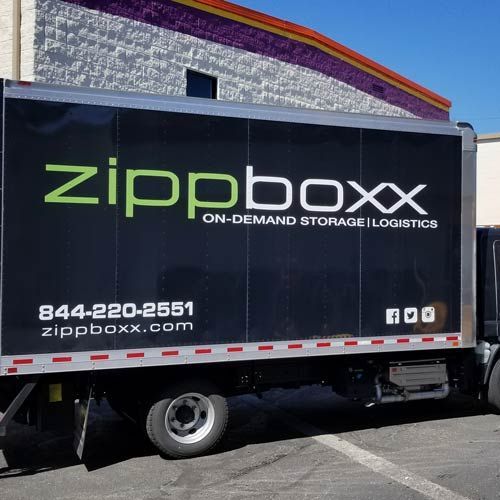
For design professionals in need of a reliable, experienced logistics partner that understands the unique demands of complex projects, Zippboxx offers specialized logistics and receiving services tailored to the design and construction industry. Working with a partner who speaks your language — who understands what white-glove means, why sequencing matters, and how to handle a hand-knotted rug or a custom chandelier — removes an enormous amount of operational stress from your plate.
Communication Systems That Keep Every Stakeholder Aligned
Even the best master delivery schedule and the most capable logistics partner will not save you if your communication systems are weak. In complex design projects, you are typically coordinating between multiple parties simultaneously: clients, vendors and suppliers, freight carriers, the logistics or receiving warehouse, on-site contractors, installers, and your own internal team. Keeping all of these stakeholders aligned requires deliberate, structured communication — not a scattered mix of text messages, emails, and verbal updates.
One of the most effective approaches is to designate a single point of contact on your team who owns delivery coordination. This person is responsible for updating the master delivery schedule, communicating with vendors about ship dates and tracking, liaising with the logistics partner, and flagging delays or conflicts to the broader project team. When everyone knows who to call about a delivery question, information flows more efficiently and problems get resolved faster.
Use project management tools to centralize delivery tracking. Platforms like Asana, Monday.com, or even a well-structured shared spreadsheet can serve as a live dashboard where the entire team can see the status of every pending delivery at a glance. Color-coding delivery statuses — on track, at risk, delayed, received, staged, installed — gives everyone immediate situational awareness without requiring constant meetings or status calls.
Establish a clear protocol for delivery exceptions. What happens when a vendor misses a ship date? What is the escalation path if a delivery arrives damaged? Who has authority to approve an expedited shipment if a critical item is running late? Having these protocols written down and agreed upon before problems occur means that when something goes wrong — and something always goes wrong on large projects — your team responds quickly and professionally rather than scrambling to figure out next steps in real time.
Client communication deserves particular attention. Design clients who have invested significantly in a project are naturally anxious about timelines. Providing regular, proactive delivery updates — even when everything is on track — builds trust and reduces the volume of reactive "where are my things?" inquiries that consume your team's time. A brief weekly summary of delivery status, framed positively, keeps clients feeling informed and confident in your management capabilities.
Managing Damage, Discrepancies, and Last-Minute Changes Like a Pro
No matter how well you plan, complex projects involve unexpected developments. Items arrive damaged. A custom piece is fabricated incorrectly and needs to be reordered. A client changes their mind about a furniture selection after it has already shipped. A vendor goes out of business mid-project. Your ability to absorb these disruptions without derailing the broader timeline is what defines your competence as a project manager.
Start by building damage inspection into your receiving protocol from day one. Every item that arrives at your receiving warehouse or project site should be inspected immediately upon delivery, before the carrier leaves. Photograph any damage. Note it on the delivery receipt. Report it to the vendor within the timeframe specified in their damage claim policy — which you should have reviewed and understood before placing the order. A logistics partner that offers professional receiving services can handle this inspection process on your behalf, providing you with a documented record of every item's condition upon arrival.
For last-minute changes, the key is to have honest, upfront conversations with clients at the project outset about the real consequences of late-stage modifications. When a client understands that changing a sofa selection after it has shipped means a potential six-to-eight-week delay and restocking fees, they are better equipped to make informed decisions. Document all change orders formally and update your master delivery schedule immediately whenever a change is approved.
Resilient delivery coordination also means maintaining a short list of backup vendors and expedited shipping resources for situations where you need to move quickly. Know which carriers offer guaranteed two-day freight in your region. Know which local furniture showrooms carry items that could serve as temporary solutions while a replacement piece is being produced. Building these contingency resources into your planning before you need them means you can execute quickly under pressure.
Summer projects in particular benefit from extra contingency planning. The combination of high demand for contractors and movers, peak shipping volumes across freight networks, and the occasional weather-related delay means that your buffer times and backup plans get tested more frequently than during slower seasons. Experienced designers and project managers who navigate summer projects successfully almost always attribute their success to the depth of their contingency planning rather than to everything going smoothly from start to finish.
Ultimately, coordinating deliveries for complex design projects is about transforming an inherently unpredictable process into a managed, trackable system. It requires upfront planning, the right professional partnerships, disciplined communication, and the flexibility to adapt when reality diverges from the plan. When these elements come together, the logistical complexity that intimidates less-prepared teams becomes a competitive advantage — a demonstration of your operational excellence that clients notice, appreciate, and remember when they are ready for their next project.
If you are ready to streamline the logistics side of your next complex design project, partnering with a professional receiving and delivery service can transform how smoothly your projects run from first delivery to final installation. Explore how Zippboxx supports design professionals with expert logistics coordination, white-glove delivery, and consolidated receiving services built for the demands of high-end and complex design work. Your next project deserves a logistics partner who is as detail-oriented as you are.
SHARE THIS POST:
Get a Free Quote From Zippboxx
On-Demand Storage Experts
Zippboxx is much more than a team of people who love to keep you moving. We’re deeply invested in our people and our community.
Leave A Comment
Contact Zippboxx for a Free Quote
Blog - Website Form
Recent Posts


Services We Offer