What to Include in a Certificate of Insurance for Apartment Moves

If you have ever coordinated an apartment move in a building with strict management requirements, you have likely encountered a request that stopped you in your tracks: the building needs a certificate of insurance before your movers can set foot in the elevator or hallway. For many renters, this is an unfamiliar document that suddenly becomes urgent just days before moving day. Understanding what a certificate of insurance is, what it needs to contain, and how to obtain one quickly can mean the difference between a smooth move and a delayed, stressful one.
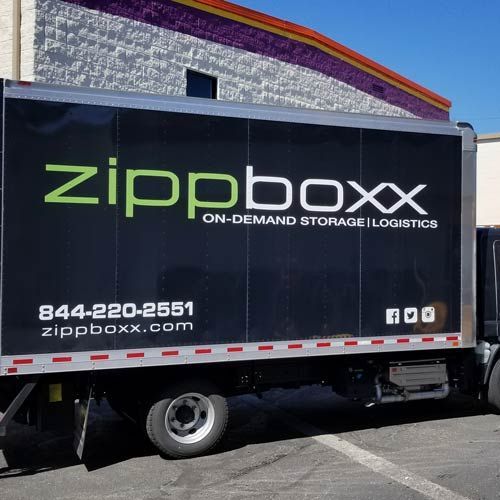
Apartment buildings - particularly those in densely populated areas like Long Island and the greater New York region - routinely require proof that a moving company carries adequate insurance coverage before granting access to common areas, freight elevators, and loading docks. This protects the building, its tenants, and the property management company from liability in the event of damage or injury during the move. If your moving company cannot provide this documentation, many buildings will simply refuse to allow the move to proceed. That is why working with an experienced apartment moving team, like Zippboxx apartment movers, that routinely prepares and delivers certificates of insurance tailored to your building's requirements is such a significant advantage.
This guide walks you through everything you need to know about certificates of insurance for apartment moves - what they are, what they must include, how buildings use them, and what questions to ask your moving company before moving day arrives.
Understanding What a Certificate of Insurance Actually Is
A certificate of insurance, commonly referred to as a COI, is a standardized document issued by an insurance provider or a licensed moving company that summarizes the key details of an active insurance policy. It is not the policy itself - it is a snapshot that confirms coverage exists and outlines its scope. For apartment moves, the COI serves as formal proof that the moving company carries liability and property damage coverage sufficient to protect the building and its residents if something goes wrong during the move.
Buildings ask for COIs because moving day introduces real risk into shared spaces. Heavy furniture rolling through hallways, appliances being carried through lobbies, and equipment being loaded onto freight elevators can all result in scuffs, dents, scratches, or structural damage. If a mover drops a heavy item on a freshly refinished hardwood floor or nicks a wall in a common corridor, the building management needs assurance that the moving company's insurance will cover the repair costs rather than leaving the building or the resident to foot the bill.
It is also worth noting that a COI is different from the moving company's own cargo insurance, which covers your personal belongings during transit. The COI requested by your building is primarily about general liability - meaning it covers third-party property damage and bodily injury that may occur during the move. Some buildings may request both types of coverage be listed, but the general liability portion is almost always the central requirement.
The Core Elements Every Certificate of Insurance Must Include
Not all certificates of insurance are created equal. A COI that satisfies one building's requirements may fall short of another's. However, there are standard elements that virtually every apartment building will expect to see on any COI submitted by a moving company. Understanding these components helps you verify that what your mover provides will actually be accepted.
- Name and contact information of the insurance provider - The COI must clearly identify the licensed insurance company that issued the policy. This allows building management to verify the policy's authenticity if needed.
- Name of the insured - This refers to the moving company itself. The business name on the COI must match the company you have hired. Any discrepancy here can cause the document to be rejected.
- Policy number - Each active policy has a unique identifier. The policy number allows the building or its legal team to reference the exact policy if a claim ever needs to be filed.
- Policy effective dates - The COI must show that the insurance policy is active on the date of your move. An expired policy or a policy that does not cover the scheduled moving date is grounds for rejection.
- Types of coverage - The COI should specify what types of insurance are in force. For apartment moves, this typically includes commercial general liability (CGL) insurance and, where applicable, workers' compensation coverage.
- Coverage limits - Many buildings specify a minimum dollar amount of coverage they will accept. Common thresholds for apartment buildings are $1,000,000 per occurrence and $2,000,000 in aggregate for general liability. Your building management will usually communicate the exact minimum they require.
- Additional insured designation - This is one of the most important and most frequently overlooked elements. Most apartment buildings require that the building owner, property management company, or both be listed as an "additional insured" on the COI. This means that if damage occurs, the building has a direct right to make a claim under the moving company's policy. Without this designation, the COI may technically be valid but still unacceptable to the building.
- Description of operations - Some buildings require the COI to include a brief description noting that the coverage applies specifically to the moving operations taking place at the building's address on the specified date.
- Certificate holder information - The COI should list the building or property management company as the certificate holder, including the full address of the building where the move is taking place.
When you receive a COI from your moving company, review each of these elements carefully before submitting it to your building management. Even a small error - such as a misspelled property management company name or a missing additional insured endorsement - can cause delays that push back your entire moving timeline.
How Building Requirements Vary and What to Ask in Advance
One of the most important things to understand about certificates of insurance for apartment moves is that requirements are not uniform. Each building sets its own standards, and those standards can vary significantly depending on the building's age, size, location, and the preferences of its management company or co-op board. In some areas - particularly large metropolitan buildings and luxury apartment complexes - the requirements are especially detailed and strictly enforced.
Fall is actually one of the busiest seasons for apartment moves, with many leases turning over at the end of summer and new residents settling in before the holidays. During peak moving seasons, building management offices handle a high volume of COI requests, which means submitting incomplete or incorrect documentation can result in longer review times and last-minute complications. Getting ahead of this process well before your scheduled moving date is essential.
Here are several questions worth asking your building management before moving day:
- What is the minimum general liability coverage amount you require from moving companies?
- Do you need workers' compensation coverage listed on the COI as well?
- Who needs to be listed as the additional insured - the building owner, the management company, or both?
- What is the exact legal name and address that should appear as the certificate holder?
- How far in advance do you need the COI submitted for review?
- Are there any specific language requirements or endorsements the COI must include?
- Does the COI need to cover both the pickup and delivery addresses if I am moving within the same city?
Getting these answers in writing - via email if possible - gives you clear documentation to pass along to your moving company so they can prepare an accurate COI without back-and-forth revisions. Professional apartment movers with experience in building-specific requirements will know how to structure the document correctly from the start, but having the building's exact specifications on hand makes the process faster and more reliable.
Why Your Choice of Moving Company Makes All the Difference
The certificate of insurance process highlights something important about choosing an apartment moving company: not every mover is equally equipped to handle the administrative and logistical complexity of building-regulated moves. Some smaller or less experienced operations may not carry the levels of liability coverage that well-managed apartment buildings require, or they may be unfamiliar with the process of listing additional insureds or customizing a COI for a specific property.
Zippboxx understands these challenges firsthand. With over 2,500 moves completed and more than ten years of experience serving residents across Long Island and beyond, the team is well-versed in working with building management to ensure that all documentation, including certificates of insurance tailored to the specific requirements of both pickup and delivery locations, is prepared accurately and submitted on time. Rather than leaving residents to navigate this process alone during an already hectic period, Zippboxx handles the communication and coordination directly with building management.
This matters especially in fall, when buildings are processing high volumes of move-ins and move-outs simultaneously. A moving company that arrives without a valid COI - or with one that does not meet the building's specific requirements - may be turned away at the door, forcing a rescheduled move and added costs. Avoiding that scenario starts with choosing movers who treat the documentation side of an apartment move with the same care they bring to the physical work of protecting walls, floors, and furniture.
Beyond COIs, Zippboxx offers a comprehensive range of apartment moving services designed to address the real challenges of relocating within or between apartment buildings. Tight staircases, narrow hallways, elevator scheduling restrictions, parking logistics, furniture disassembly and reassembly, packing and unpacking services, and access to short- and long-term climate-controlled storage are all part of what the team manages on behalf of their clients. Each of these services reduces the number of things you have to coordinate yourself during one of the most logistically demanding transitions in daily life.
Whether you are a busy professional, a college student moving into your first apartment, or a family transitioning to a new home this fall, having a moving partner who handles the fine print - including the certificate of insurance - allows you to focus on the parts of the move that actually matter to you.
Steps to Take Before Your Move to Ensure COI Compliance
Knowing what goes into a certificate of insurance is only useful if you take action early enough for it to make a difference. Here is a practical timeline to help you stay ahead of any COI-related complications as your move approaches.
- Book your movers at least two to four weeks in advance - This gives you enough lead time to gather COI requirements from your building and pass them along to your moving company without rushing.
- Contact your building management immediately after booking - Request their complete COI requirements in writing, including coverage minimums, additional insured language, and submission deadlines.
- Share the building's requirements with your moving company right away - Do not wait until the week of the move. The earlier your movers can prepare or adjust the COI, the more time there is to correct any issues.
- Review the completed COI before submitting it - Check that the building's name is spelled correctly, the coverage amounts meet minimums, the policy dates cover your moving day, and the additional insured designation is included.
- Submit the COI to building management and follow up - Confirm receipt and ask whether the document has been approved. Do not assume approval just because you submitted it.
- Keep a copy of the approved COI for your records - In the unlikely event of a dispute or damage claim after the move, having documentation that the COI was reviewed and accepted can protect you.
Taking these steps removes one of the most common sources of last-minute moving stress. When the paperwork is handled, you can direct your attention toward the countless other details that come with starting fresh in a new apartment.
Moving into a new apartment should feel like a beginning, not a bureaucratic obstacle course. Understanding the certificate of insurance process - and partnering with a moving company that handles it confidently - is one of the most practical ways to protect that experience. If you are planning an apartment move on Long Island or anywhere in the surrounding region, reach out to Zippboxx to learn how their team can make your next move seamless, compliant, and genuinely stress-free from start to finish.
SHARE THIS POST:
Get a Free Quote From Zippboxx
On-Demand Storage Experts
Zippboxx is much more than a team of people who love to keep you moving. We’re deeply invested in our people and our community.
Leave A Comment
Contact Zippboxx for a Free Quote
Blog - Website Form
Recent Posts


Services We Offer