Strategies for a Stress Free Residential Move That Actually Work

Moving to a new home is one of the most significant life transitions a person can experience. Whether you are relocating across town or across the island, the process of packing up an entire household, coordinating logistics, and settling into an unfamiliar space can feel completely overwhelming. In fact, moving consistently ranks among the most stressful life events people face, right alongside major milestones like changing careers or welcoming a new family member. The good news is that with the right strategies in place, a stress free residential move is entirely achievable. The difference between a chaotic move and a smooth one almost always comes down to preparation, the right partnerships, and knowing when to ask for professional help.
This summer is actually one of the most popular times of year to move. Warmer weather, school breaks, and the end of lease cycles all converge to make the summer months a peak period for residential relocations across Long Island and beyond. That also means competition for moving services is high, which makes planning even further in advance absolutely essential. Whether you are a first-time mover or someone who has been through the process several times before, the strategies outlined in this guide will help you approach your next move with confidence, organization, and far less anxiety than you might expect.
Start Planning Earlier Than You Think You Need To
One of the most common mistakes people make when preparing for a residential move is underestimating how much time the process requires. Most moving experts recommend beginning your planning process at least eight weeks before your move date, and if you are relocating during a busy summer window, pushing that timeline to ten or twelve weeks is even smarter. The earlier you begin, the more control you have over every aspect of the move, from booking the right movers to gradually reducing clutter without the pressure of a looming deadline.
Start by creating a master moving checklist that breaks the entire process down into weekly tasks. This list should cover everything from notifying your utility providers and updating your address with the post office to scheduling elevator reservations at apartment buildings and arranging childcare or pet care for moving day. Having everything written down in one place takes the mental burden of trying to remember dozens of small details and transforms it into a manageable, step-by-step process you can work through at a steady pace.
Early planning also gives you the opportunity to research and compare moving companies without feeling rushed. Reading reviews, requesting quotes, and verifying credentials takes time, and making that decision under pressure often leads to poor choices. When you book a reputable moving and packing service well in advance, you secure your preferred date and give the moving team enough time to properly assess your inventory and create a tailored plan for your specific home.
- Create a master checklist broken into weekly action items at least eight weeks out
- Research and book moving services early, especially during peak summer months
- Schedule utility transfers, address changes, and building logistics well ahead of time
- Arrange support for children and pets on moving day to reduce on-the-day chaos
- Set a realistic moving budget that accounts for packing materials, labor, and unexpected expenses
Declutter Before You Pack a Single Box
There is a simple truth that experienced movers know well: every item you choose not to move is one less thing to pack, transport, unpack, and find a place for in your new home. Before you begin the packing process in earnest, dedicate real time to decluttering every room in your house. This is not just about getting rid of obvious junk. It is about honestly evaluating whether each item in your home deserves a place in your next chapter.
A practical approach is to go room by room and sort everything into four categories: keep, donate, sell, and discard. Items in good condition that you no longer need can be listed on local marketplace apps or donated to community organizations, both of which feel far better than throwing usable things away. Items that are broken, expired, or simply not worth the cost of transporting should be responsibly discarded before packing begins.
Decluttering before your move also has a meaningful financial benefit. Professional movers often price their services based on the volume and weight of items being moved. By reducing your inventory before the move, you may be able to lower your overall moving costs while also making the unpacking process at your new home significantly faster and more organized. Starting fresh in a new space with only the things you genuinely love and use is one of the most satisfying aspects of any move, and it is entirely within your control.
Give yourself enough time to go through storage areas like garages, attics, and basements carefully. These are often the most time-consuming spaces to sort through and are frequently left until the last minute, which is exactly when you can least afford the extra stress. Tackling them early prevents that familiar last-minute scramble and ensures you arrive at your new home with a truly curated household.
Invest in Professional Packing Services to Protect What Matters Most
Once you have decluttered and have a clear picture of what is being moved, the next major decision is how your belongings will be packed. DIY packing might seem like a cost-saving measure, but when you factor in the time required, the cost of purchasing adequate supplies, and the very real risk of damage to fragile or valuable items, professional packing services often prove to be one of the smartest investments you can make in your move.
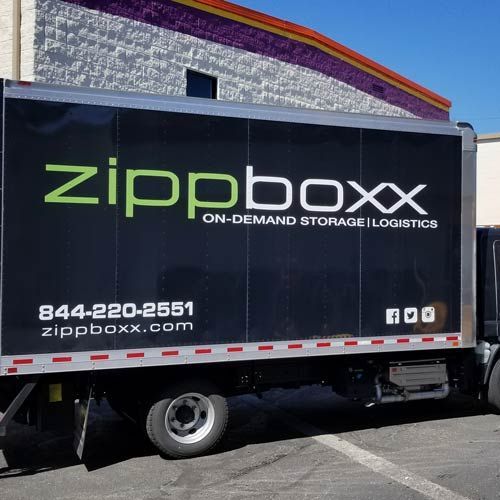
Zippboxx offers comprehensive packing services on Long Island that are designed to take the most labor-intensive part of your move completely off your plate. With over ten years of experience and more than 2,500 completed moves, the Zippboxx team brings trained professionals, premium packing materials, and proven techniques to every job. Whether you need a single room packed or your entire home handled from top to bottom, their services are fully customizable to match your specific needs and budget.
What makes professional packing particularly valuable is the expertise that goes into protecting different types of items. Fragile glassware, fine art, electronics, and awkwardly shaped items all require specific wrapping and boxing techniques to survive transit without damage. Experienced packing professionals know exactly how to prepare these items, which types of padding and specialty boxes to use, and how to maximize space in each box without creating conditions that lead to breakage. That knowledge is not something most people develop without years of practice.
- Fragile items like china, glassware, and artwork are wrapped and padded using professional-grade materials
- Every box is clearly labeled by room and contents, making unpacking organized and intuitive
- An inventory list is created so you have a full accounting of everything packed
- Specialty boxes are used for items like mirrors, wardrobe contents, and electronics
- The kitchen, living room, bedrooms, bathrooms, home office, and garage can all be packed by the team
- Custom packing plans allow you to choose which rooms or items receive professional attention
Beyond the practical benefits, having professionals handle the packing frees up enormous amounts of your personal time and energy in the days leading up to your move. That time and energy can then go toward the countless other tasks that need your direct attention, such as finalizing paperwork on your new home, supervising school enrollments, or simply making sure your family feels calm and supported through the transition. The mental relief that comes from knowing the packing is expertly handled is genuinely difficult to overstate.
Organize Moving Day for Maximum Efficiency and Minimum Chaos
Even with perfect preparation, moving day itself can feel overwhelming if it is not thoughtfully organized. The goal for moving day is to keep everything flowing smoothly, minimize last-minute decisions, and ensure that the people and resources involved are working in a coordinated way. A few deliberate strategies can transform moving day from a stressful marathon into a well-executed operation.
Begin by confirming all moving day logistics at least forty-eight hours in advance. This means contacting your movers to confirm arrival time, verifying parking arrangements at both your current address and your new home, and ensuring that building access, elevator bookings, or gate codes are all sorted out. Surprises on moving day are almost always unwelcome, and a quick confirmation call can head off most of them.
Pack a dedicated essentials bag or box that travels with you rather than in the moving truck. This bag should contain everything your household needs for the first twenty-four hours in your new home, including phone chargers, a change of clothes, medications, basic toiletries, snacks, important documents, and anything your children or pets will need immediately upon arrival. Having these items instantly accessible means you will not be tearing through labeled boxes at the end of a long day trying to find something as simple as a toothbrush.
On moving day itself, assign someone the role of point person at each location. This person's job is to greet the movers, answer questions, direct traffic, and keep things moving efficiently. If you are handling both ends of the move yourself, clear communication with the moving team about which items go where in the new home prevents the exhausting process of repositioning heavy furniture after the fact. Walking through the new home with your movers at the start and pointing out where each room's boxes should be placed makes the entire unloading process far faster and less chaotic.
Do not underestimate the physical demands of moving day, even when you have professional help. Make sure everyone involved has eaten a proper meal before the day begins, stays hydrated throughout, and takes breaks when needed. Moves that stretch into the evening hours are more prone to accidents and poor decisions simply because people are tired. A smooth, well-paced moving day protects both your belongings and the wellbeing of everyone involved.
Settle Into Your New Home With Intention
The move itself may be complete once the truck pulls away, but the transition to your new home is an ongoing process that benefits just as much from intentional strategy. Many people make the mistake of trying to unpack and set up their entire home in the first day or two, which often leads to decisions they later regret and a level of exhaustion that makes it hard to enjoy the new space. A more sustainable approach is to prioritize unpacking by function and necessity rather than trying to tackle everything at once.
Start with the rooms and items that have the most immediate impact on daily life. The bedroom should be set up first so that everyone in the household has a comfortable place to sleep from night one. The kitchen comes next, since being able to prepare simple meals at home makes a big difference in how settled and grounded a family feels. Bathrooms are equally high priority. Once these functional spaces are operational, you have a solid foundation from which to gradually unpack the rest of the home at a comfortable pace.
Because Zippboxx labels every packed box by room and contents, the unpacking process becomes significantly more organized and less mentally taxing. You will be able to direct boxes to the right rooms immediately and find specific items without digging through mislabeled or unlabeled containers. That level of organization, built into the packing process from the very beginning, pays dividends long after moving day has passed.
Take time to explore your new neighborhood as you settle in. Discovering nearby parks, restaurants, grocery stores, and community spaces helps your new address start to feel like home. If you have children, helping them identify familiar landmarks and meet neighborhood kids quickly can ease the emotional adjustment that often accompanies a move. A residential move is not just a logistical event. It is the beginning of a new chapter, and approaching the transition with that perspective makes the entire experience feel far more positive and exciting rather than purely exhausting.
Moving does not have to be a source of dread. With smart early planning, a genuine commitment to decluttering, the support of experienced professionals for the most demanding parts of the process, and a thoughtful approach to both moving day and the settlement period that follows, a stress free residential move is not just a hopeful idea. It is a realistic and completely achievable outcome. The strategies in this guide are not complicated, but they do require intention and follow-through. Start early, ask for help where it makes the most sense, and give yourself permission to let the professionals handle what they do best.
If you are planning a residential move on Long Island this summer or beyond, Zippboxx is ready to make it as smooth and stress free as possible. Their team of trained packing professionals brings the materials, the expertise, and the care your belongings deserve. Visit Zippboxx's packing services page today to learn more about their customizable packing solutions, get a quote, and take the first step toward a move that actually feels manageable. Your new home is waiting, and getting there does not have to be the hard part.
SHARE THIS POST:
Get a Free Quote From Zippboxx
On-Demand Storage Experts
Zippboxx is much more than a team of people who love to keep you moving. We’re deeply invested in our people and our community.
Leave A Comment
Contact Zippboxx for a Free Quote
Blog - Website Form
Recent Posts


Services We Offer