How to Handle Heavy and High Value Items During a Relocation

Moving is stressful under any circumstances, but when your relocation involves heavy furniture, antiques, artwork, electronics, or other high-value possessions, the stakes rise considerably. A scratched grand piano, a cracked marble tabletop, or a damaged piece of original artwork is not just a financial loss — it can be an irreplaceable one. Whether you are relocating across Long Island or making a long-distance move out of New York, knowing how to properly handle your most important belongings is essential. This guide walks you through everything you need to know about protecting heavy and high-value items during a move, from planning and packing to transportation and unpacking.
Why Heavy and High-Value Items Require a Different Approach
Most household moves involve a predictable mix of boxes, standard furniture, and everyday appliances. However, heavy items like safes, pool tables, large sectional sofas, and major appliances present logistical challenges that go far beyond simple lifting. High-value items — including fine art, antiques, collectibles, expensive electronics, and jewelry — require careful protection not just from physical damage but also from environmental exposure like humidity and temperature changes.
The core issue is that standard moving practices are not always sufficient for these categories of belongings. A crew that wraps furniture in blankets and loads boxes efficiently is doing its job well for most items, but a piano requires specialized dollies, reinforced padding, and careful angle management through doorways. A sculpture worth thousands of dollars needs custom crating, not just a moving blanket. Understanding these distinctions before your move begins can mean the difference between everything arriving safely and arriving devastated.
Start with a Thorough Inventory and Assessment
Before anything gets wrapped, lifted, or loaded onto a truck, you should create a detailed inventory of every heavy and high-value item in your home or office. Walk through each room and document these items carefully. Note their dimensions, weight if known, condition at the time of the move, and any special instructions or concerns. Photograph each item from multiple angles so you have a clear record of its pre-move condition. This documentation serves two purposes: it helps your moving crew understand what they are working with, and it gives you proof of condition if any damage claim becomes necessary later.
Once your inventory is complete, sort your items into categories based on the type of handling they require. Heavy items that need special equipment, fragile high-value items that need custom packing, and items that are both heavy and fragile — like large mirrors or antique cabinets — should each be flagged for different treatment during the planning phase.
Choose the Right Packing Materials for High-Value Items
One of the most common mistakes people make when moving high-value items is underestimating the packing materials required. Standard cardboard boxes and a few layers of bubble wrap are simply not adequate for truly valuable or fragile belongings. Here is what professional-grade packing for high-value items typically involves:
- Custom wooden crates for artwork, sculptures, antiques, and other irreplaceable pieces that cannot absorb even minor impacts
- Double-walled cardboard boxes for fragile collectibles, ceramics, and glass items, with foam padding on all six interior surfaces
- Anti-static bubble wrap and foam for electronics, which protects both the surface and the internal components from static discharge
- Acid-free tissue paper and archival packing materials for photographs, documents, and paper-based collectibles
- Moving blankets and stretch wrap for large furniture pieces, including heavy wood pieces, marble surfaces, and upholstered items
- Corner protectors and edge guards for framed artwork, flat-screen televisions, and glass-fronted cabinets
- Climate-controlled storage or packaging for items sensitive to temperature fluctuations, particularly during summer moves in New York when heat and humidity are significant concerns
Summer is actually one of the most challenging seasons for moving high-value items. Heat and humidity can warp wood, damage electronics, degrade adhesives in antique furniture, and harm sensitive artwork. If you are planning a relocation during the summer months on Long Island, make sure your mover has a climate-controlled truck and that items are never left sitting in direct sunlight or an unventilated vehicle for extended periods.
How to Handle Specific Heavy Items
Different types of heavy items come with their own set of handling requirements. Understanding these specifics will help you communicate effectively with your moving crew and ensure nothing is approached carelessly.
Pianos are among the most challenging items to move because they are extremely heavy, structurally complex, and acoustically sensitive. Upright pianos require a piano board, heavy-duty straps, and a skilled crew that understands how to manage the instrument's weight distribution through doorways and down staircases. Grand pianos must be partially disassembled — the legs removed, the lid secured, and the body placed on its side on a specialized skid board — before transportation. Never attempt to move a piano without professionals who have specific experience with this type of instrument.
Large appliances such as refrigerators, washing machines, and dryers present their own set of risks. These items must be properly disconnected, drained of water or residual fluids, and secured with appliance straps during transit to prevent movement that could damage both the appliance and the truck interior. Refrigerators should be kept upright during transport whenever possible, as laying them on their side can damage the compressor.
Safes are deceptively dangerous to move because their weight is highly concentrated. Even a medium-sized home safe can weigh several hundred pounds. Moving a safe requires a heavy-duty dolly rated for the appropriate weight, proper body mechanics from the crew, and often disassembly of surrounding furniture or doorframes to create a clear path. The floor beneath the safe also needs to be protected during the move, as dragging it even slightly can cause significant floor damage.
Marble and stone surfaces — including dining tables, countertops, and fireplace surrounds — must be handled with extreme care because they are both heavy and brittle. These items should be moved in a vertical or near-vertical orientation when possible, as laying a slab of marble flat on a truck bed without proper support can cause it to crack under its own weight. Padding and secure strapping are essential.
The Role of Professional Movers in Protecting High-Value Items
There is a point in every move involving heavy or high-value items where professional help is not just convenient — it is genuinely necessary. Experienced moving crews bring the right equipment, the right techniques, and the right knowledge to handle challenges that would be risky or impossible for most individuals. Furniture dollies, hand trucks, stair climbers, piano boards, and lifting straps are not just tools; they are what stands between your belongings and serious damage.
Beyond equipment, professional movers bring situational awareness. They know how to assess a hallway for tight corners, how to safely navigate a staircase with a heavy item, and how to load a truck so that weight is distributed evenly and nothing shifts during transit. They also understand liability — which is why working with a fully licensed and insured company matters so much when your most valuable possessions are involved.
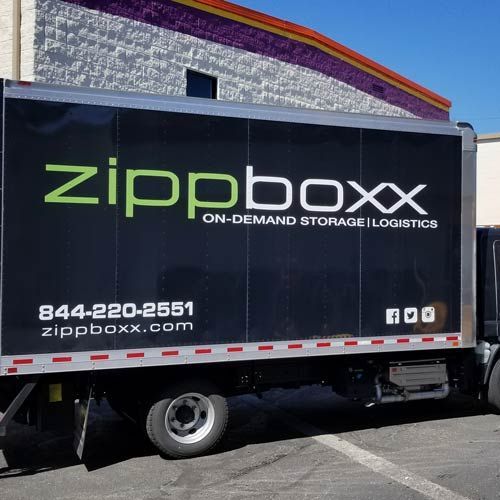
If you are looking for experienced movers on Long Island who understand the complexity of handling heavy and high-value items, Zippboxx has been trusted by thousands of Long Island homeowners and businesses for over a decade. As a fully licensed and insured, family-owned moving company based in Bohemia, NY, Zippboxx offers professional packing services, furniture disassembly and reassembly, and the kind of careful, detail-oriented handling that high-value items demand.
Insurance and Valuation Coverage for High-Value Items
Even when every precaution is taken, accidents can happen. This is why understanding your insurance and valuation options before your move is critical, especially for high-value items. Most moving companies offer two basic levels of liability coverage. Basic carrier liability, sometimes called released value protection, is included at no extra cost but provides minimal compensation based on weight rather than actual value. Full value protection covers the actual repair or replacement cost of damaged items and is a far more appropriate choice when you are moving art, antiques, electronics, or other valuables.
In addition to the mover's coverage options, check whether your homeowner's or renter's insurance policy provides any coverage for items in transit. Some policies do extend coverage during a move, while others require a separate rider. For items of exceptional value, you may also want to consider purchasing a separate fine art or scheduled personal property insurance policy specifically for the move period. The small additional cost is negligible compared to the potential loss.
Declutter and Reduce Before You Move
One often-overlooked strategy for managing heavy items during a relocation is simply reducing how many of them you have to move. Before your moving day, take time to assess which heavy or bulky pieces are truly worth the effort and cost of relocating. Furniture that is worn, outdated, or unlikely to fit in your new space may be better donated, sold, or removed entirely. Zippboxx also offers junk removal services that can help you clear out unwanted items before the move begins, making the entire process faster, safer, and more cost-effective.
This is particularly valuable for items that are heavy but not high in either monetary or sentimental value. The cost of moving a heavy item that you plan to replace anyway may exceed the cost of simply replacing it at your destination. Being strategic about what you move can significantly reduce the logistical and financial burden of your relocation.
Preparing Your Home for Moving Day
Proper preparation of your home before the moving crew arrives can make an enormous difference when heavy items are involved. Here are key steps to take in the days leading up to your move:
- Measure all doorways, hallways, and stairwells that heavy furniture will need to pass through, and communicate any tight spots to your mover in advance
- Remove doors from their hinges if necessary to create additional clearance for large items
- Lay down floor protection such as cardboard, ram board, or protective runners along the path that heavy items will travel
- Disassemble any furniture that can be broken down into smaller, lighter components, including bed frames, large shelving units, and modular sofas
- Clear pathways throughout your home so the crew has unobstructed access to each room
- Secure loose parts, hardware, and assembly instructions for disassembled furniture in labeled bags taped to the corresponding piece
- Arrange elevator access in advance if you live in an apartment building and confirm any building-specific moving rules or time restrictions
These preparation steps may seem small, but they can prevent significant delays, reduce the risk of wall and floor damage, and allow your moving crew to work efficiently and safely with even your most challenging items.
What to Do When You Arrive at Your New Home
The job is not finished when the truck pulls away from your old address. Receiving heavy and high-value items at your new home requires the same level of care as packing and transporting them. Walk through your new space before the truck is unloaded and identify exactly where each large or heavy item will go. Changing your mind about furniture placement after a heavy piece has already been set down can mean unnecessary lifting and repositioning — and increased risk of damage to your floors and the item itself.
As each high-value item is brought in, inspect it against your pre-move photographs and inventory. Note any damage on the delivery paperwork immediately rather than signing off and addressing it later. Prompt documentation is essential for any insurance or damage claim. Once everything is in place, give your new home time to stabilize before placing heavy artwork on walls or setting furniture on flooring that may need time to acclimate, particularly in summer when humidity levels can affect wood and adhesives.
Make Your Next Move the Right Move
Handling heavy and high-value items during a relocation is not something to improvise. It requires planning, the right materials, specialized equipment, and experienced hands. The cost of getting it wrong — in terms of damaged property, personal injury, or irreplaceable losses — far exceeds the investment of doing it right from the start. Whether you are moving a single high-value item or an entire home full of heavy furniture and treasured possessions, approaching the process with the seriousness it deserves will make all the difference.
If you are planning a move on Long Island or anywhere in the New York area this summer and want to make sure your most important belongings are in capable, careful hands, reach out to Zippboxx. With more than ten years of experience, a fully licensed and insured operation, flat-rate transparent pricing, and a crew that genuinely cares about your belongings, Zippboxx is the trusted choice for families and businesses throughout Nassau County, Suffolk County, and beyond. Visit zippboxx.com/movers to request your free in-home estimate today and start your relocation with confidence.
SHARE THIS POST:
Get a Free Quote From Zippboxx
On-Demand Storage Experts
Zippboxx is much more than a team of people who love to keep you moving. We’re deeply invested in our people and our community.
Leave A Comment
Contact Zippboxx for a Free Quote
Blog - Website Form
Recent Posts


Services We Offer