Tips for Moving Heavy Furniture Safely in an Apartment

Moving heavy furniture in an apartment is one of those tasks that sounds straightforward until you are standing in a narrow hallway with a sectional sofa, a steep staircase ahead of you, and your back already aching from carrying boxes all morning. Apartment moves come with a unique set of challenges that simply do not exist when you are moving out of a house with wide doorways, a driveway, and a ground-level exit. Tight corridors, shared elevators with strict time windows, low ceilings, and neighbors on all sides turn what might seem like a basic task into a logistical puzzle that demands real preparation and physical care. Every summer, thousands of people across Long Island and New York City attempt to move heavy furniture on their own, only to end up with scratched floors, dented walls, strained muscles, or worse, serious injury. The good news is that with the right approach, the right tools, and a solid plan, you can move even the heaviest pieces through even the tightest spaces without disaster. This guide walks you through everything you need to know to do it safely, smartly, and with your body and apartment intact.
Why Apartment Furniture Moves Are Uniquely Challenging
Before diving into techniques and tools, it helps to understand exactly why moving heavy furniture in an apartment is so different from other types of moves. The first and most obvious challenge is space. Apartment buildings were not designed with furniture removal in mind. Hallways are narrow, corners are sharp, and the path from your unit to the moving truck often involves several turns, a set of stairs or an elevator, and at least one door that does not stay open on its own. Even a modestly sized sofa can feel like an enormous obstacle when you are trying to angle it around a ninety-degree corner with two inches of clearance on each side.
The second challenge is building rules. Most apartment buildings have specific policies about moving, including designated move-in and move-out times, elevator reservations, padding requirements for elevator walls, and restrictions on propping open fire doors. Violating these rules can result in fines, lost security deposits, or being forced to stop mid-move. The third challenge is physical strain. Heavy furniture creates serious injury risk when lifted incorrectly, and the confined spaces of an apartment building make it even harder to use proper body mechanics. A dumbbell deadlift in a gym is very different from hoisting one end of a heavy dresser while twisted sideways in a stairwell.
Measure Everything Before You Move a Single Piece
The single most important step you can take before moving day is to measure. Measure your furniture, measure your doorways, measure your hallways, and measure your elevator. Do this before you start disassembling anything or asking friends to show up and help. Knowing the exact dimensions of every large piece and every passage it needs to travel through will prevent you from getting halfway through a move and discovering that your bookcase simply cannot fit through the building's exterior door without being completely disassembled.
When measuring, focus on these key areas:
- The width and height of every doorway between the furniture's current location and the exit
- The diagonal clearance of stairwells, which is often the limiting factor for large rectangular pieces
- The interior dimensions of the elevator, including the door width and ceiling height
- Any tight corners in hallways where furniture will need to be angled or tilted
- The width of your building's main entrance and lobby doors
Once you have these measurements, compare them to your furniture. If something is going to be a very close fit, plan your angles in advance. There is a mathematical principle, often called the moving sofa problem, that demonstrates how the shape of a corridor dramatically affects what can and cannot be moved through it. You do not need to solve equations, but you do need to visualize the path before you commit to it.
Disassemble What You Can Before You Lift
One of the most effective ways to reduce the weight and bulk of heavy furniture is to disassemble it before the move. Many pieces of furniture that seem impossible to move intact become completely manageable once you remove their legs, drawers, shelves, or modular sections. Beds, dressers, bookshelves, dining tables, and sectional sofas are all excellent candidates for partial or full disassembly before moving.
Keep the following in mind when disassembling furniture:
- Remove all drawers from dressers and chests — the drawers themselves can be carried separately and the empty carcass becomes dramatically lighter
- Unscrew table and sofa legs whenever possible to reduce height and eliminate protrusions that catch on walls and door frames
- Separate modular sofa sections if your couch is a sectional, since individual pieces are almost always apartment-friendly
- Remove shelves from bookcases and entertainment units before attempting to move the frame
- Take glass panels out of cabinets and wrap them separately — glass left in a moving cabinet is a hazard to everyone involved
- Store all screws, bolts, and small hardware in labeled zip-lock bags taped directly to the piece they belong to
Taking the extra thirty to sixty minutes to disassemble properly will save you hours of struggling and significantly reduce your risk of injury and property damage.
Use the Right Equipment for Heavy Lifts
Attempting to move heavy furniture with nothing but manpower is how people throw out their backs and gouge up hardwood floors. Having the right tools makes an enormous difference, and most of them are inexpensive or available at hardware stores for short-term rental.
The essential equipment for a safe apartment furniture move includes:
- Moving straps and harnesses: Lifting straps distribute the weight of heavy items across your shoulders and forearms rather than your hands and lower back, dramatically reducing strain and improving control
- Furniture dollies: A flat-platform dolly with wheels lets you slide heavy pieces across floors without lifting, which is ideal for moving furniture within a space before it reaches stairs
- Furniture sliders: These small plastic or felt pads go under furniture legs and allow heavy pieces to glide across hard floors and low-pile carpet with minimal effort — essential for protecting apartment floors
- Moving blankets and padding: Wrap all furniture in moving blankets before taking it through doorways and corridors to protect both the furniture and the walls
- Hand truck or appliance dolly: For tall, heavy items like refrigerators, washing machines, or large upright furniture, an appliance dolly with straps provides far more control than carrying by hand
- Corner guards and door frame protectors: Foam or rubber guards that attach to door frames and corners prevent scratches and dents on both your furniture and your apartment's surfaces
Practice Proper Lifting Technique Every Single Time
Even with all the right equipment, there will be moments during an apartment move when you have to physically lift something heavy. When that moment comes, proper technique is not optional — it is the difference between finishing your move and ending up in urgent care. The fundamentals of safe lifting are well established and worth reviewing before you pick up a single piece of furniture.
Always bend at the knees, not at the waist. Keep the object close to your body, and keep your back as straight as possible throughout the lift. Engage your core muscles before you initiate the lift, and use your legs to drive the movement upward. Never twist your torso while holding something heavy — if you need to change direction, move your feet. Communicate clearly with anyone helping you, using specific signals like "lift on three" and "set it down" so that no one is caught off guard mid-movement. When carrying heavy furniture down stairs, the person at the lower end carries more of the weight, so factor that into how you position your team.
Protect Your Floors and Walls Aggressively
Apartment buildings hold tenants responsible for damage to floors, walls, and common areas. A single deep scratch on a hardwood floor or a significant dent in a plaster wall can cost hundreds of dollars when your security deposit is reconciled. Protecting these surfaces is not just considerate to your neighbors and building management — it is directly in your financial interest.
Lay down floor runners, cardboard, or ram board along every path furniture will travel through. Use furniture sliders whenever possible to avoid dragging. Wrap all furniture corners in moving blankets before carrying through doorways. If your building requires elevator padding, use it — and use your own as well. Keep a roll of painter's tape handy so you can secure protective materials to door frames and banisters without leaving residue.
Coordinate With Your Building in Advance
A detail that first-time apartment movers often overlook is the importance of coordinating with building management before move day. Most apartment buildings require advance notice for moves, especially if you need to reserve a service elevator or loading dock. Summer is by far the busiest moving season, and elevator time slots in larger buildings can fill up weeks in advance. If you show up on move day without a reservation and find that the elevator is booked all day, you may be forced to carry everything up the stairs — a situation that turns a manageable move into an exhausting, injury-prone ordeal.
Contact your building's management office or super at least one to two weeks before your move. Ask about move-in and move-out windows, elevator reservation procedures, loading zone rules, and any requirements for padding or protecting common areas. Getting this information early gives you time to adjust your schedule and avoid unnecessary complications on the day of your move.
Know When to Call the Professionals
There is a point in every difficult furniture move where honesty pays off. Some pieces — grand pianos, antique armoires, oversized sectional sofas, commercial refrigerators — are simply too heavy, too valuable, or too awkward to move safely without professional equipment and trained crew members. Attempting to force the issue not only risks injury but can also result in permanent damage to irreplaceable items.
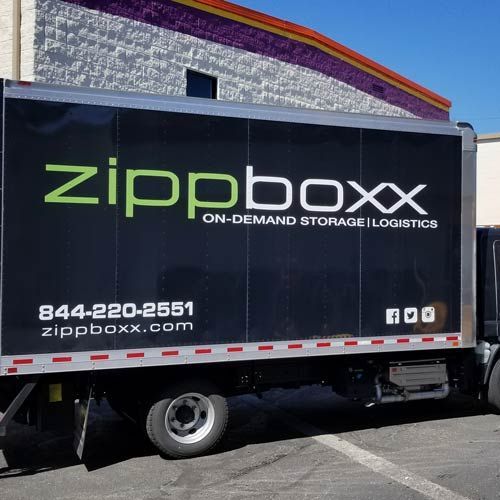
If you are dealing with a complex apartment move on Long Island or anywhere in the New York area, the team at Zippboxx has been helping homeowners, renters, and businesses relocate safely for over a decade. As a fully licensed and insured, family-owned moving company based in Bohemia, NY, Zippboxx brings experienced crew members, professional-grade equipment, and a genuine commitment to careful handling to every job. Their services include furniture disassembly and reassembly, professional packing, and the kind of transparent flat-rate pricing that means no surprises at the end of move day. With more than 5,000 satisfied customers and a decade of experience navigating the specific challenges of New York apartment moves, they bring a level of preparation and skill that simply cannot be replicated by a group of friends with a rented van.
A Few Final Tips for a Safer, Smoother Apartment Move
As you finalize your moving plan, keep these practical tips close:
- Schedule your move for a weekday if possible — building elevators and loading zones are less congested, and you will face less competition for resources
- Clear all pathways inside your apartment before the heavy lifting begins — remove rugs, close open doors, and clear any furniture that is staying behind out of the path of pieces being moved
- Stay hydrated, especially during summer moves — heavy lifting in hot weather is a fast path to heat exhaustion, so keep water accessible throughout the day
- Do not overload yourselves — move smaller sections of large pieces separately rather than trying to carry everything in one awkward, precarious load
- If a piece is too heavy for two people to lift comfortably, it needs a third person or mechanical assistance — no move is worth a herniated disc
- Photograph any existing wall or floor damage before your move so you are not held responsible for damage that was already there
Moving heavy furniture safely in an apartment comes down to preparation, the right tools, honest communication, and knowing your limits. Whether you tackle the move yourself with a well-equipped team or call in the professionals to handle the heavy work, approaching the day with a real plan makes all the difference. Take the measurements, protect the surfaces, use the equipment, and do not let the pressure of move day push you into shortcuts that put your body or your belongings at risk. A little extra time spent planning is always worth it when you are standing in your new apartment with everything intact and your back still working the way it should.
SHARE THIS POST:
Get a Free Quote From Zippboxx
On-Demand Storage Experts
Zippboxx is much more than a team of people who love to keep you moving. We’re deeply invested in our people and our community.
Leave A Comment
Contact Zippboxx for a Free Quote
Blog - Website Form
Recent Posts


Services We Offer