How to Coordinate Moving Day with Apartment Building Management

Moving into or out of an apartment is rarely as simple as loading boxes onto a truck and driving away. When you live in a multi-unit building, there is an entire layer of coordination that most people underestimate until they are standing in a hallway with a couch that will not fit through the service entrance. Building management teams have rules, schedules, and requirements that exist to protect the property, the other residents, and your own belongings. Knowing how to work with them - rather than around them - can be the difference between a smooth moving day and a frustrating, costly delay. This guide walks you through everything you need to know to coordinate moving day with your apartment building management so that every detail is handled before the truck even pulls up.
Why Building Management Coordination Matters More Than You Think
Many renters assume that once they have hired movers and reserved a truck, the hard work is done. The reality is that apartment buildings - especially larger complexes, co-ops, and condominiums - have policies in place that can directly affect when you move, which entrance you use, how long you can occupy the elevator, and what paperwork your moving company must submit before anyone carries a single box inside. Failing to communicate with management ahead of time can result in your movers being turned away at the door, your security deposit being put at risk, or your move being delayed by hours while you scramble to meet requirements you did not know existed.
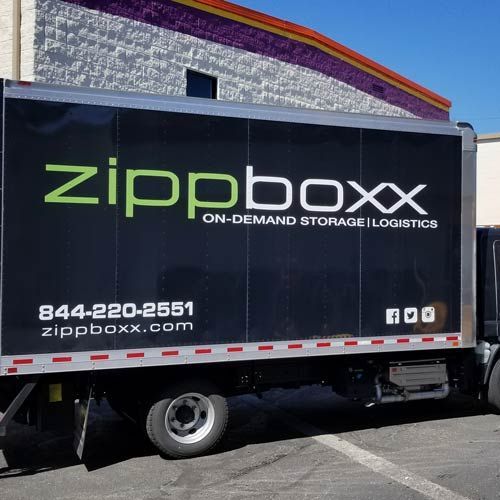
Beyond the logistical complications, there is also a neighborly dimension to apartment moves. Noise, blocked hallways, and occupied elevators affect everyone in the building. When you coordinate thoughtfully with management, you signal to your neighbors and your building staff that you are considerate and professional. That reputation matters, especially if you are moving into a new building and want to start things off on the right foot. Working with a moving company that already understands these dynamics - like Zippboxx apartment movers on Long Island- takes a significant amount of this pressure off your plate from day one.
Steps to Take Before Moving Day Even Arrives
The most effective moving day coordination happens weeks in advance, not the morning of. As soon as you have a confirmed move date, reach out to your building management office and start a conversation. Here is a practical breakdown of what to address during that process.
- Request the building's official moving policy in writing. Many buildings have a formal document or lease addendum that outlines exactly what is and is not permitted. Ask for this early so you have time to review it and share it with your movers.
- Reserve the freight elevator or service elevator. In most mid-rise and high-rise buildings, there is a dedicated elevator for moving. These elevators are often bookable only during specific time windows, and they fill up quickly - especially around the first and last days of the month when most leases turn over.
- Find out the approved move-in or move-out hours. Most buildings restrict moves to weekday or daytime hours to minimize disruption. Some allow weekend moves with advance notice. Some do not. Knowing this before you book your movers saves you from expensive reschedules.
- Ask about parking and loading zone arrangements. Find out where the moving truck is permitted to park, whether a loading zone can be reserved, and whether the building requires any coordination with the city for street parking. This is especially important in denser urban areas.
- Ask whether the building requires a Certificate of Insurance from your moving company. This is one of the most commonly overlooked requirements and one of the most important.
- Inquire about hallway and floor protection requirements. Some buildings require that carpets, walls, and elevator interiors be padded or covered during a move. You need to know whether this is your responsibility or your mover's.
- Clarify the move-out inspection process. If you are leaving an apartment, understand when management will conduct an inspection and what condition the unit must be in before the movers arrive.
Completing these steps well in advance gives you the runway to address any surprises. If, for example, your building requires a Certificate of Insurance and your original mover cannot provide one, you have time to find an alternative. Zippboxx, for instance, provides COIs tailored to meet the specific requirements of both the pickup and delivery locations, which eliminates one of the most common last-minute headaches apartment renters face.
Understanding the Certificate of Insurance Requirement
The Certificate of Insurance - commonly referred to as a COI - is one of the most important documents in any apartment move, and yet many renters do not hear about it until management turns their movers away at the door. A COI is a document issued by the moving company's insurance provider that confirms the mover carries adequate liability and workers' compensation coverage. Building management requires this document to protect the property in the event of damage during the move.
Different buildings have different requirements for what the COI must include. Some buildings require that the building owner or management company be listed as an additional insured on the policy. Others have minimum coverage thresholds that not all moving companies can meet. When you first speak with your building management, ask specifically what their COI requirements are and get those details in writing. Then pass that information directly to your moving company so they can prepare the correct documentation.
This is one area where choosing an experienced apartment mover pays off significantly. A company that specializes in apartment relocations will be familiar with COI requirements and will know how to customize the certificate to match what your specific building needs. An inexperienced or unlicensed mover may not carry adequate insurance at all, which puts both your belongings and your building relationship at risk.
Once the COI is obtained, submit it to building management with enough lead time for their team to review and approve it. Do not wait until the day before the move. Many management offices need two to five business days to process this kind of paperwork, and some larger buildings or co-op boards require even more time.
Communicating Clearly on Moving Day
Even with thorough advance planning, moving day requires real-time communication between you, your movers, and building staff. Having a clear plan for how these parties will interact on the day of the move prevents confusion and keeps things running on schedule.
Start by introducing your moving crew to the building superintendent or concierge when they arrive. This simple gesture establishes goodwill and ensures that building staff know who is authorized to be in the building and which unit is being moved. If your building has security protocols, make sure your movers know what to expect when they arrive so they are not caught off guard at the entrance.
If you have reserved the freight elevator, confirm the reservation again the day before and again the morning of the move. Elevator reservations occasionally get double-booked or miscommunicated, and catching this issue early gives you time to resolve it before the truck arrives. When the elevator is in use, keep the doors padded as required, and release the reservation promptly when the move is complete so other residents are not inconvenienced longer than necessary.
Designate a point of contact for the day. You cannot be everywhere at once during a move - you may be directing movers inside the apartment while your partner is managing the truck outside. Decide in advance who is the primary contact for building staff, and make sure that person has the building manager's direct phone number saved. If a question or problem arises, you want to be able to reach someone immediately rather than leaving a voicemail and waiting.
Other practical considerations for moving day communication include:
- Walking the route with your lead mover before items start moving, so everyone knows where the service entrance, elevator, and target unit are located.
- Alerting building staff if the move is running significantly behind or ahead of schedule so they can adjust elevator access or parking arrangements accordingly.
- Keeping hallways and common areas as clear as possible and never leaving boxes or furniture unattended in shared spaces for extended periods.
- Checking in with the superintendent or concierge before you leave to confirm that all access cards, keys, or fobs have been returned and that the common areas are in acceptable condition.
- Taking timestamped photos of hallways, elevator interiors, and any common areas before the move begins so there is a documented baseline if any damage disputes arise later.
The fall season, which is one of the busier periods for apartment turnover in many markets, can add an extra layer of complexity to moving day logistics. College students are relocating, leases are cycling, and building staff are fielding multiple move-in and move-out requests simultaneously. Being organized, communicative, and courteous during this busy period will make your move go more smoothly and leave a lasting positive impression on building management.
Protecting the Building and Your Belongings During the Move
One of the most common sources of tension between residents and building management during a move is damage to shared spaces. Scuffed walls, scratched elevator panels, and gouged hardwood floors in common areas can result in charges against your security deposit or, in some cases, direct billing for repairs. Taking proactive steps to protect the building is not just courteous - it is financially smart.
Professional apartment movers use moving blankets, floor runners, corner guards, and elevator pads to protect the building during the move. If your building requires specific protection materials or installation procedures, communicate those requirements to your movers in advance. Some buildings even require that their own staff install protective coverings in the elevator before movers are allowed to begin, so confirm whether this is the case and factor that into your timing.
Inside your apartment, movers should protect doorframes and floors before moving large items. Furniture that cannot fit through doorways as-is should be disassembled rather than forced through, which protects both the furniture and the building. Once items are loaded onto the truck, the apartment should be left in a clean and undamaged condition, ready for the move-out inspection that management will conduct.
Working with a team that is experienced in apartment-specific challenges - narrow hallways, tight staircases, restricted elevator access - reduces the risk of incidental damage significantly. Experience matters in these environments, and choosing a moving company that understands the unique physical constraints of apartment buildings is one of the most valuable decisions you can make during the planning process.
Coordinating your apartment move with building management does not have to be stressful or complicated. It requires early communication, the right paperwork, a clear plan for moving day, and a professional team that knows how to operate within the rules and rhythms of multi-unit residential buildings. When all of those pieces are in place, moving day becomes far less chaotic and far more manageable than most people expect.
If you are planning an apartment move on Long Island and want a team that handles building coordination, COIs, elevator logistics, parking arrangements, and careful handling of your belongings from start to finish, Zippboxx is ready to help. With more than ten years of experience and over 2,500 moves completed, the Zippboxx team knows exactly what apartment moves require - and how to make yours as smooth as possible. Visit Zippboxx's apartment movers page to learn more and get started on planning your move today.
SHARE THIS POST:
Get a Free Quote From Zippboxx
On-Demand Storage Experts
Zippboxx is much more than a team of people who love to keep you moving. We’re deeply invested in our people and our community.
Leave A Comment
Contact Zippboxx for a Free Quote
Blog - Website Form
Recent Posts


Services We Offer