How Long Distance Moving Companies Determine Their Pricing Structures

Planning a long distance move is one of the most logistically complex undertakings a person can face. Beyond the emotional weight of leaving a familiar place, there is a very practical concern that sits at the top of almost every mover's mind: how much is this going to cost? If you have ever requested a quote from a long distance moving company and wondered why the number looks the way it does, you are not alone. The pricing structures used by long distance movers can seem complicated at first glance, but once you understand the key factors at play, the numbers begin to make a lot more sense. Whether you are a family relocating to another state, a professional starting a new chapter in a new city, or a retiree heading somewhere warmer this fall, knowing what drives the cost of your move puts you in a much stronger position to plan, budget, and choose the right company for the job.
Long distance moving pricing is not arbitrary. Companies that specialize in this type of relocation use a combination of measurable variables and industry-standard practices to arrive at a quote. Some of these factors are entirely within your control, while others are simply part of the reality of moving goods across hundreds or thousands of miles. Understanding both categories helps you make smarter decisions and avoid unexpected costs. With that in mind, let's walk through exactly how long distance moving companies structure their pricing and what you should know before you commit to a mover.
Distance and Geography Play a Central Role in Cost Calculation
The most fundamental element of any long distance moving quote is, unsurprisingly, the distance between your origin and your destination. Longer hauls require more fuel, more driver hours, and greater wear on vehicles, all of which translate directly into higher costs. Moving companies typically calculate mileage using the most efficient route between two points, and that base mileage forms the backbone of your estimate.
However, distance is rarely looked at in isolation. Geography matters too. A move from Long Island to a major metropolitan area in another state may be priced differently than a move to a rural location that requires the truck to navigate narrow roads or make multiple stops. If your destination is in an area where tolls, bridge fees, or restricted vehicle zones apply, those costs are often factored into the final price as well. Some moving companies itemize these fees separately, while others bundle them into a flat rate. This is one reason why asking for a detailed breakdown of your estimate is always a smart move.
It is also worth noting that moves to certain regions can carry surcharges based on regional demand or fuel pricing at the time of your move. Fall is actually one of the more favorable times of year to move because the summer rush has subsided, which can mean better availability and more competitive pricing. Moving companies tend to be busier between May and September, and prices can reflect that demand. Booking during the fall or off-peak periods can work in your favor.
The Weight and Volume of Your Shipment Directly Impacts Your Quote
After distance, the size of your move is the next most significant pricing factor. Long distance moving companies typically calculate shipment size in one of two ways: by weight or by cubic footage. Weight-based pricing is more common among larger carriers and involves weighing the truck before and after your belongings are loaded to determine the actual weight of the shipment. Cubic footage pricing estimates the volume of space your items will take up in the moving truck.
Either method means that the more you are moving, the more you will pay. A one-bedroom apartment move will cost considerably less than a four-bedroom household move, even if both are traveling the same distance. This is why many experienced movers recommend doing a thorough decluttering before getting quotes. Items you no longer need or use add weight and volume to your shipment, which adds dollars to your bill. Donating, selling, or disposing of unnecessary belongings before your move is one of the most effective ways to bring your cost down.
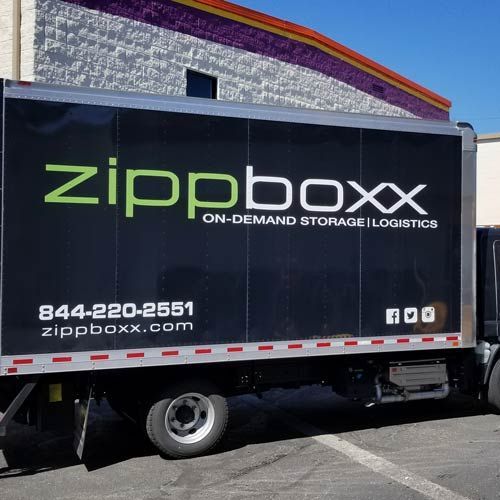
When you work with a reputable company, they will typically conduct a pre-move consultation or walkthrough - either in person or virtually - to assess the scope of your belongings. This assessment allows them to provide a more accurate estimate rather than a rough ballpark figure. Companies like Zippboxx offer pre-move consultations as part of their process, which helps ensure that the pricing you receive reflects the actual size and complexity of your move rather than a generic guess.
- Studio and one-bedroom moves are typically the most affordable by weight and volume
- Multi-bedroom homes with large furniture pieces will increase shipment weight significantly
- Specialty items like pianos, safes, and large antiques may be priced separately due to handling requirements
- Decluttering before your move is one of the most direct ways to reduce your overall cost
Additional Services Add Value but Also Add to the Bottom Line
Base transportation costs cover the loading, hauling, and delivery of your belongings, but most long distance moves involve more than just that. The additional services you choose or require will be layered on top of the base rate, and understanding what each service costs helps you make informed decisions about where to invest and where to cut back.
Packing and unpacking services are among the most commonly added options. Professional packing ensures that your items are properly protected for a long journey, reducing the risk of damage significantly. While this service does add to the cost, many movers find it well worth the investment, especially for fragile or high-value items. If you choose to pack yourself, you save on labor, but you take on the responsibility of ensuring everything is packed to a standard that protects against the rigors of a long-distance haul.
Packing materials are another line item to consider. Boxes, tape, bubble wrap, furniture pads, and specialty containers for mirrors or electronics all carry a cost. Some moving companies supply these materials as part of a packing service, while others charge for them separately. It is always worth asking upfront what is included and what is not.
Beyond packing, other services that can affect your quote include the following:
- Specialty item handling for antiques, artwork, or fragile valuables
- Disassembly and reassembly of large furniture pieces
- Long carry fees when movers must transport items a significant distance from the truck to your door
- Stair carries or elevator usage in multi-story buildings
- Storage in transit if your new home is not ready to receive your belongings on arrival day
- Unpacking and debris removal at the destination
Each of these add-ons serves a legitimate purpose, and the best moving companies will walk you through exactly which ones apply to your situation rather than padding a quote with unnecessary charges. Transparent pricing is a hallmark of a trustworthy mover, and you should feel comfortable asking for clarification on any line item that is unclear to you.
Timing, Insurance, and Binding Estimates Also Shape What You Pay
The timing of your move has a real influence on what you will pay. As mentioned earlier, peak moving season runs roughly from late spring through early summer, and prices can be noticeably higher during this window due to demand. Moving during the fall or winter, or even mid-week rather than on a weekend, can sometimes result in better rates. If your schedule has any flexibility, it is worth discussing timing with your moving company to explore whether adjusting your move date could reduce your costs.
Insurance and liability coverage is another component of long distance moving pricing that deserves careful attention. Federal regulations require interstate movers to offer two levels of valuation coverage. The first is released value protection, which is included in the base price but offers minimal reimbursement - typically based on weight rather than actual value. The second is full value protection, which holds the mover responsible for the replacement value of any lost or damaged items and usually comes at an additional cost. Understanding what coverage your quote includes and what it would cost to upgrade is an important part of evaluating the true price of your move.
The type of estimate you receive also matters significantly. A non-binding estimate gives you a rough projection that can change once the actual weight of your shipment is confirmed. A binding estimate locks in a price based on the inventory assessed during the consultation, meaning you will not pay more even if the actual weight is slightly higher. A binding not-to-exceed estimate offers the best protection, capping your cost at the quoted amount while allowing it to go lower if your shipment weighs less than projected. Asking about the type of estimate you are receiving - and what circumstances could cause the final price to differ - is a critical step in avoiding surprise charges on moving day.
Reputable long distance movers will be upfront about all of these factors. When a company emphasizes transparent pricing with no hidden fees, it signals a commitment to honest communication that should be a baseline expectation for anyone you hire to handle something as important as your belongings and your home.
Understanding how long distance moving companies build their pricing structures ultimately empowers you as a consumer. Distance, shipment weight, additional services, timing, and the type of estimate you receive all combine to produce the final number you see on a quote. Armed with this knowledge, you can ask better questions, compare quotes more accurately, and make a decision that reflects both your budget and your expectations for service quality.
If you are preparing for a long distance move from Long Island or the surrounding area and want a straightforward, professional experience, Zippboxx is ready to help. With over 2,500 moves completed, a decade of experience, and a team dedicated to transparent and competitive pricing, Zippboxx takes the guesswork out of long distance moving. Reach out today for a free consultation and get a clear, honest quote tailored to your specific move. The sooner you connect with a trusted mover, the more smoothly your transition will go - and this fall is a great time to get started.
SHARE THIS POST:
Get a Free Quote From Zippboxx
On-Demand Storage Experts
Zippboxx is much more than a team of people who love to keep you moving. We’re deeply invested in our people and our community.
Leave A Comment
Contact Zippboxx for a Free Quote
Blog - Website Form
Recent Posts


Services We Offer