How a Logistics Company Handles Fragile Furniture Items

Moving or shipping furniture is rarely as simple as loading a truck and driving from point A to point B. When the furniture in question is fragile — think hand-carved mahogany armoires, glass-topped dining tables, antique settees, designer chaise lounges, or custom upholstered pieces worth thousands of dollars — the stakes become significantly higher. One wrong move, one poorly secured corner, or one moment of careless handling can result in irreversible damage. That is why the way a logistics company approaches fragile furniture items says everything about the quality of its service, the depth of its expertise, and the level of trust it has earned from its clients.
For homeowners relocating across Long Island, interior designers coordinating multi-piece deliveries for a client's new residence, or businesses furnishing commercial spaces, understanding exactly how a professional logistics company protects fragile furniture items gives you the confidence to make smart decisions. This guide breaks down every key stage of the process — from pre-move assessment through final placement — so you know what to expect and what to demand from any logistics provider you hire.
Why Fragile Furniture Demands a Different Approach
Not all furniture is created equal, and not all furniture presents the same logistical challenges. A basic wooden bookshelf is a fundamentally different proposition than a marble console table with brass inlay legs, a glass étagère with multiple adjustable shelves, or a hand-painted lacquer credenza sourced from an overseas artisan. Fragile furniture items share a common set of vulnerabilities: they are susceptible to impact damage, pressure damage, moisture, vibration, temperature fluctuation, and surface abrasion. Any of these forces, applied at the wrong moment and in the wrong way, can cause chips, cracks, scratches, structural failures, or finish deterioration that may be impossible to repair.
Professional logistics companies that specialize in furniture — particularly those working with interior designers, FF&E projects, and high-end residential clients — have developed systematic methodologies that address each of these vulnerabilities at every stage of transport. The process begins well before a single item is touched.
Pre-Move Assessment and Inventory Documentation
The foundation of any successful fragile furniture logistics operation is a thorough pre-move assessment. Before anything is packed or loaded, experienced logistics professionals inspect each piece individually. This inspection serves two critical purposes: it identifies the specific vulnerabilities of each item, and it creates a documented baseline condition record that protects both the client and the company.
During this phase, the logistics team takes note of existing wear, pre-existing chips or scratches, structural weak points, removable components, and any manufacturer instructions that may govern how the piece should be handled. For particularly valuable or one-of-a-kind items, photographic documentation of the item's condition before transit is standard practice. This level of detail ensures that if a question arises upon delivery, there is a clear and objective record to reference.
Inventory management during this stage also allows the logistics company to plan the most efficient and safe loading sequence. Heavier, more structurally sound pieces may serve as anchors, while the most delicate items are positioned where they will experience the least movement and pressure during transport.
Custom Packing and Wrapping Techniques
Once the assessment is complete, the packing process begins — and this is where professional logistics companies truly differentiate themselves from general movers. The materials and techniques used to wrap and pack fragile furniture items are far more sophisticated than consumer-grade bubble wrap and packing tape. Here is what the process typically involves:
- Furniture blankets and moving pads: Thick, quilted moving blankets are the first layer of protection for virtually every piece of furniture. They cushion against impact, prevent surface abrasion, and provide a buffer between the item and any surrounding surfaces or cargo.
- Stretch wrap and plastic film: After blankets are applied, stretch wrap is often layered over the top to keep the blankets securely in place and to prevent moisture from reaching fabric or wood finishes. It also bundles any detachable components so they travel with the main piece.
- Corner and edge protectors: Foam or cardboard corner guards are applied to all exposed edges and corners, which are statistically the most vulnerable points on any piece of furniture. These protectors absorb shock that would otherwise concentrate on a single point and cause chipping or cracking.
- Custom crating: For exceptionally valuable, oddly shaped, or extremely fragile pieces — such as large mirrors, marble tabletops, or antique display cabinets with glass panels — professional logistics companies may build or source custom wooden crates. The item is packed inside the crate with foam inserts or cushioning materials cut precisely to its dimensions, creating a protective shell that eliminates interior movement entirely.
- Glass and mirror protection: Glass surfaces require additional care. Logistics professionals typically apply painter's tape or a protective film to glass panels before wrapping to reduce the risk of shattering during impact. Mirrors and glass tabletops are almost always transported vertically rather than horizontally, as a vertical orientation distributes stress more evenly across the glass surface.
- Climate-sensitive wrapping: In summer months, when temperatures in storage facilities, trucks, and warehouses can spike significantly, professional logistics companies account for heat-related risks. Certain wood finishes, lacquers, and adhesives can soften or warp in extreme heat. Climate-conscious wrapping and, where available, climate-controlled transport options help mitigate these seasonal risks.
Proper Loading and Securing in the Transport Vehicle
Packing is only half the battle. How furniture is loaded into a truck or container, and how it is secured during transit, determines whether all that careful packing work actually pays off. Professional logistics companies train their teams extensively in load planning and cargo securing techniques specific to furniture.
Fragile items are almost never placed at the bottom of a load where they would bear the weight of other cargo. Instead, load sequencing prioritizes placing the heaviest and most structurally robust pieces first, creating a stable foundation, while fragile items are loaded last and positioned in areas of the vehicle where movement is minimized. Interior walls, padded dividers, and load bars are used to prevent items from shifting during transit.
Every piece is secured with straps, though the technique matters enormously. Overtightening a strap on a fragile wooden frame or a delicate upholstered piece can be just as damaging as leaving the item unsecured. Experienced logistics professionals understand how to apply tension appropriately — enough to prevent movement, but not so much that the strap itself becomes a source of damage.
Specialized Handling for Designer and High-End Furniture
Interior designers, architects, and property developers who source high-end furniture pieces for residential or commercial projects face unique logistics challenges. Custom-made furniture, imported statement pieces, and one-of-a-kind designer items cannot be replaced if damaged — at least not quickly or inexpensively. This is why working with a logistics company that specifically offers furniture logistics and designer logistics services is essential for this client segment.
A logistics company with expertise in this space understands that the delivery of a designer piece is not just a physical task but a service experience. The team arrives with the right equipment, handles pieces with white-glove precision, and places items exactly where the designer or client specifies — often including final positioning, unwrapping, and even assembly if required. This end-to-end care is the hallmark of a company that takes fragile furniture logistics seriously.
For those working on larger projects such as FF&E (Furniture, Fixtures, and Equipment) installations, the logistics process adds additional layers of complexity including coordinated delivery schedules, receiving and inspection services, short-term warehousing, and staged delivery to avoid site congestion. All of these elements must be managed with the same precision and care applied to the physical handling of each fragile item.
Warehousing and Storage for Fragile Furniture
Sometimes logistics does not mean moving furniture directly from origin to destination in one trip. Renovation timelines shift, construction projects run long, and design installations require staged deliveries. In these situations, furniture may need to be stored temporarily — and how it is stored matters enormously for its condition upon final delivery.
Professional logistics companies that offer storage services maintain facilities designed specifically for furniture. The key features of a quality furniture storage environment include:
- Clean, dry, and pest-controlled spaces that protect against moisture damage, mold, and infestation.
- Organized, accessible racking systems that allow items to be stored without stacking incompatible pieces on top of one another.
- Climate consideration , particularly in summer months when heat and humidity can affect wood, upholstery, adhesives, and certain finishes.
- Security measures including monitored access to protect valuable pieces while they are not in transit.
- Systematic inventory tracking so that every piece can be located quickly when it is time for delivery.
Furniture that is stored correctly, in a purpose-built environment, arrives at its destination in the same condition it left the packing floor — which is exactly what clients expect and deserve.
Delivery, Placement, and Final Inspection
The final mile of furniture logistics — delivery and placement — is where the entire process culminates. For fragile furniture items, this stage requires just as much care as packing and loading. Professional logistics teams use appropriate equipment such as furniture dollies, stair rollers, and lifting straps to navigate the interior of a home or commercial space without dragging, bumping, or dropping pieces. Door frames, staircases, narrow hallways, and elevator openings all present potential hazard points that experienced professionals identify and navigate methodically.
Upon delivery, a thorough inspection of each piece is conducted alongside the client or a designated representative. This post-delivery inspection is compared against the pre-move documentation to confirm that every item arrived in the same condition in which it was collected. Any discrepancy is noted and addressed through the company's claims or resolution process.
For clients who need furniture assembled after delivery — whether it is a modular shelving unit, a sectional sofa, or a custom bed frame — professional logistics companies often offer furniture assembly services as part of the overall delivery package, ensuring that even the final stage of the process is handled by trained professionals rather than left to chance.
What to Look for in a Logistics Company That Handles Fragile Furniture
If you are searching for a logistics partner to handle your fragile furniture items, knowing what separates a truly qualified company from a general mover is essential. Look for these indicators of quality and specialization:
- Demonstrated experience with high-value and designer furniture, including references from interior designers or design firms.
- A clearly defined packing and wrapping process using professional-grade materials.
- The ability to provide custom crating for especially fragile or oversized pieces.
- Documented pre-move and post-delivery inspection procedures.
- Access to appropriate storage facilities if interim warehousing is needed.
- Transparent communication throughout the logistics process, including real-time updates on delivery windows.
- A track record of positive reviews from clients with similar furniture logistics needs.
Trust Zippboxx With Your Fragile Furniture Logistics
When it comes to moving, storing, and delivering fragile furniture items across Long Island and the surrounding region, the difference between a stressful experience and a seamless one comes down entirely to the expertise and care of the logistics company you choose. Every step of the process — from the initial assessment to the final placement — requires trained professionals who understand the value of what they are handling and who apply systematic, proven methods to protect it.
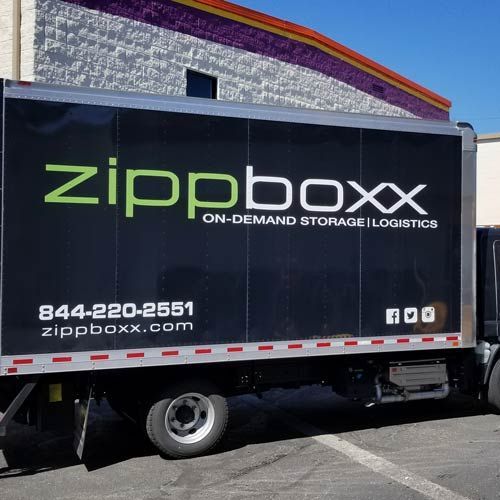
Zippboxx is a full-service logistics company based on Long Island, NY, offering a comprehensive range of services that include furniture logistics, designer logistics, FF&E logistics, interior design logistics, packing services, furniture assembly, and storage. Whether you are an interior designer coordinating a complex installation, a homeowner relocating prized pieces, or a business furnishing a new commercial space, Zippboxx brings the professionalism, equipment, and dedication needed to ensure every fragile item arrives safely and exactly where it belongs.
Do not leave your most valuable furniture pieces to chance. Reach out to the Zippboxx team today to request a free quote and discover how a specialized logistics company handles every fragile furniture item with the precision and care it deserves.
SHARE THIS POST:
Get a Free Quote From Zippboxx
On-Demand Storage Experts
Zippboxx is much more than a team of people who love to keep you moving. We’re deeply invested in our people and our community.
Leave A Comment
Contact Zippboxx for a Free Quote
Blog - Website Form
Recent Posts


Services We Offer