How to Ensure Your Moving Company Meets Apartment Building Requirements

Moving into or out of an apartment building is a very different experience from relocating to or from a standalone home. When you live in a multi-unit building, you are not just coordinating with your moving company - you are also accountable to building management, your neighbors, and a set of rules that exist to protect shared spaces and ensure the safety of everyone in the building. Failing to understand and meet these requirements before moving day can result in fines, denied access, damaged property, and a stressful experience that could have easily been avoided. As fall becomes one of the busiest moving seasons of the year, with lease cycles turning over and people eager to settle in before the winter months, getting ahead of these requirements is more important than ever.
The reality is that many movers - even experienced ones - show up to apartment buildings without the right paperwork, the right equipment, or the right knowledge of the building's specific rules. This puts residents in an incredibly difficult position, often forcing last-minute scrambles or outright cancellations. Understanding what apartment buildings typically require from moving companies, and knowing how to verify that your chosen mover is fully prepared, can save you enormous time, money, and frustration. This guide walks you through everything you need to know so that your move goes smoothly from the first box to the last piece of furniture.
Why Apartment Buildings Have Moving Requirements in the First Place
Before diving into the specifics of what to check, it helps to understand why these requirements exist. Apartment buildings are shared environments. Hallways, elevators, lobbies, loading docks, and stairwells are all common areas used by every resident in the building. When a moving crew brings large furniture, heavy appliances, and stacks of boxes through these spaces, the potential for damage and disruption is significant. Buildings need to protect their infrastructure, maintain their aesthetic standards, and ensure that other residents are not excessively inconvenienced during a move.
Beyond the physical space, there are also liability concerns. If a mover drops a heavy item and injures someone in a shared hallway, the building management needs to know there is appropriate insurance coverage in place to handle any resulting claims. Without verified insurance, the building itself could be exposed to legal and financial risk. This is why proof of insurance is almost universally required. Similarly, many buildings require movers to sign agreements acknowledging that they are responsible for any damage caused during the move, providing a clear line of accountability that protects the building and its other residents.
Understanding these motivations makes it much easier to approach building management with a cooperative mindset. You are not dealing with bureaucratic red tape for its own sake - you are navigating a system designed to protect everyone involved, including you.
Key Documents and Requirements to Verify Before Moving Day
The most important step you can take is to contact your building management office well in advance of your moving date - ideally two to three weeks ahead. Ask them directly for a written list of all requirements for moving companies. While specific rules vary by building, there are several common requirements you will almost always encounter.
- Proof of General Liability Insurance: Most apartment buildings require moving companies to carry a minimum level of general liability insurance and to provide a Certificate of Insurance (COI) naming the building as an additional insured party. The required coverage amount varies, but $1 million per occurrence is a common benchmark. Make sure to ask your building for their specific requirements and then verify that your moving company can meet them.
- Certificate of Insurance Naming the Building: It is not enough for a mover to simply have insurance. Many buildings require that the COI specifically list the building, its management company, or its ownership entity as an additional insured. This is a critical detail that many people overlook, and it is one that takes time to arrange - another reason to start this process early.
- Moving Permits or Elevator Reservations: Many mid-rise and high-rise buildings require residents to reserve the freight elevator in advance. This ensures that the elevator is available and protected during your move, and it prevents conflicts with other residents who may also be moving. Some buildings also issue formal moving permits that must be displayed during the move.
- Move-In or Move-Out Fees and Deposits: Many buildings charge a refundable damage deposit or a non-refundable administrative fee associated with moving. Make sure you understand these costs in advance so there are no surprises on moving day.
- Approved Moving Hours: Virtually every apartment building restricts the hours during which moving activity is permitted. These windows are typically on weekdays or weekends during daytime hours and are designed to minimize disruption to other residents. Confirm these hours with your building and communicate them clearly to your moving company so that the crew arrives and works within the approved timeframe.
- Loading Dock Access and Parking Rules: Buildings often have designated loading zones or docks for moving trucks. Understand where the truck is permitted to park, how long it can occupy that space, and whether any permits are needed for street parking if no dedicated space is available.
Once you have this list from your building, share it with your moving company immediately. A reputable mover will be familiar with these kinds of requirements and will be able to quickly confirm what they can provide and what steps they need to take to meet any specific conditions.
How to Evaluate Whether Your Moving Company Is Truly Prepared
Having a list of requirements is only useful if you know how to assess whether your moving company can actually meet them. When you are vetting movers, ask direct and specific questions rather than relying on general assurances. Here is a practical approach to evaluating their readiness.
Start by asking for their Certificate of Insurance before you book. A professional moving company should be able to provide this document without hesitation. Review the document carefully - check the coverage amounts, the effective dates, and whether the policy type aligns with what your building requires. If your building needs to be added as an additional insured, ask the mover how long that process takes and confirm it will be completed before your move date.
Ask the company directly whether they have experience moving clients in and out of apartment buildings. Companies that regularly handle apartment moves will be familiar with navigating freight elevators, tight hallways, and restricted-hour requirements. They will know how to protect floors and walls using moving pads and floor runners, and they will have the right equipment for navigating confined spaces without causing damage.
Also ask about their process for communicating with building management. A proactive moving company will want to know about access restrictions, elevator dimensions, and loading dock logistics well before the moving day. If a company seems uninterested in these details or dismisses them as minor concerns, that is a significant warning sign.
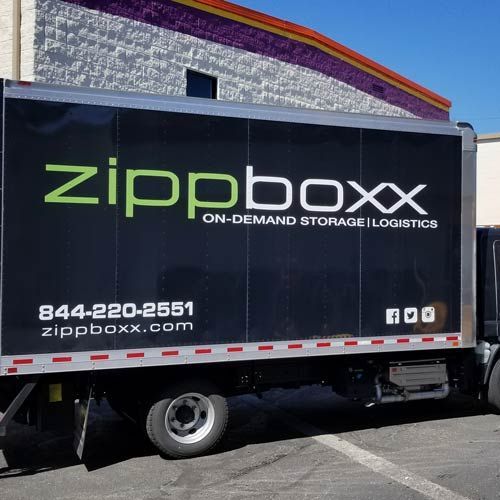
Working with a company like Zippboxx means working with a team that understands the specific demands of apartment moves and takes the logistical groundwork seriously. Taking the time to ask the right questions before booking can make the difference between a smooth move and a chaotic one.
Practical Steps to Take in the Weeks Leading Up to Your Move
Preparation is everything when it comes to apartment moves. The following timeline gives you a clear picture of what to do and when, so nothing falls through the cracks as your moving date approaches.
About three weeks out, contact your building management to get their full list of moving requirements. Request this in writing if possible so you have a clear reference document. At this same time, begin reaching out to moving companies for quotes, and ask each one about their experience with apartment buildings and their ability to meet insurance requirements.
Two weeks before your move, confirm your elevator reservation and submit any required moving permit applications. Provide your building's COI requirements to your chosen moving company and request written confirmation that the certificate has been issued or updated to meet those requirements. If there is a damage deposit required, confirm the payment process with your building so there are no delays on moving day.
One week out, do a final check with both your building and your moving company. Confirm the move date, approved hours, truck parking location, and elevator access schedule. Make sure your building has received and approved the COI from your moving company. Walk through the specific access points your crew will use - the loading dock entrance, the freight elevator location, and the path from the elevator to your unit - and note any areas where padding or floor protection will be needed.
On moving day itself, be present and available to facilitate communication between the moving crew and building management or the front desk. Keep a copy of all submitted documents with you in case anyone needs to verify the insurance or permit. If any issues arise, address them calmly and with the documentation you have prepared. Being organized and cooperative with building staff goes a long way toward making the day run smoothly.
In the fall season especially, buildings can experience a surge in moving activity as leases expire and new tenants move in. This means freight elevators and loading docks may be more contested, and building management offices may be handling a higher volume of requests. Getting ahead of the process gives you a real advantage and reduces the chance that your preferred moving window will already be taken by another resident.
Protecting Your Property and the Building During the Move
Even when all the paperwork is in order and the logistics are properly arranged, the physical execution of the move matters enormously. Talk with your moving company in advance about their approach to protecting the building's common areas and your belongings.
Professional movers should use floor runners to protect hardwood, tile, or carpet in hallways and elevators. They should use moving blankets to wrap furniture and prevent scratches on walls and door frames. Elevator interiors should be padded if the building requires it, and some buildings will actually provide their own elevator pads for this purpose. Ask your building whether padding is available and confirm with your mover that they have their own as a backup.
Large and bulky items like sofas, bed frames, and appliances require special attention in apartment buildings. Movers with apartment experience will know how to disassemble, wrap, and maneuver these items through tight corridors and around corners without causing damage. This is a specific skill set, and it is worth confirming that your crew has it before the day arrives.
Document the condition of common areas before and after your move. Take photos or video of the hallways, elevator interior, and loading area at the start of the day and again at the end. This protects you in the event that pre-existing damage is attributed to your move, and it also provides a record if your mover does cause any damage that needs to be reported to your building or covered by the mover's insurance.
Ultimately, the key to a successful apartment move is treating it as a collaborative process - one that involves you, your moving company, and your building management working together toward the same goal. When every party is informed, prepared, and communicating clearly, moves that could easily become nightmares turn into straightforward, efficient transitions.
If you are planning an apartment move this fall and want to work with a team that is experienced, prepared, and ready to meet building requirements head-on, visit Zippboxx to learn more and get started. The sooner you book and begin the documentation process, the more smoothly your entire move will go - and the faster you can settle into your new home with confidence.
SHARE THIS POST:
Get a Free Quote From Zippboxx
On-Demand Storage Experts
Zippboxx is much more than a team of people who love to keep you moving. We’re deeply invested in our people and our community.
Leave A Comment
Contact Zippboxx for a Free Quote
Blog - Website Form
Recent Posts


Services We Offer